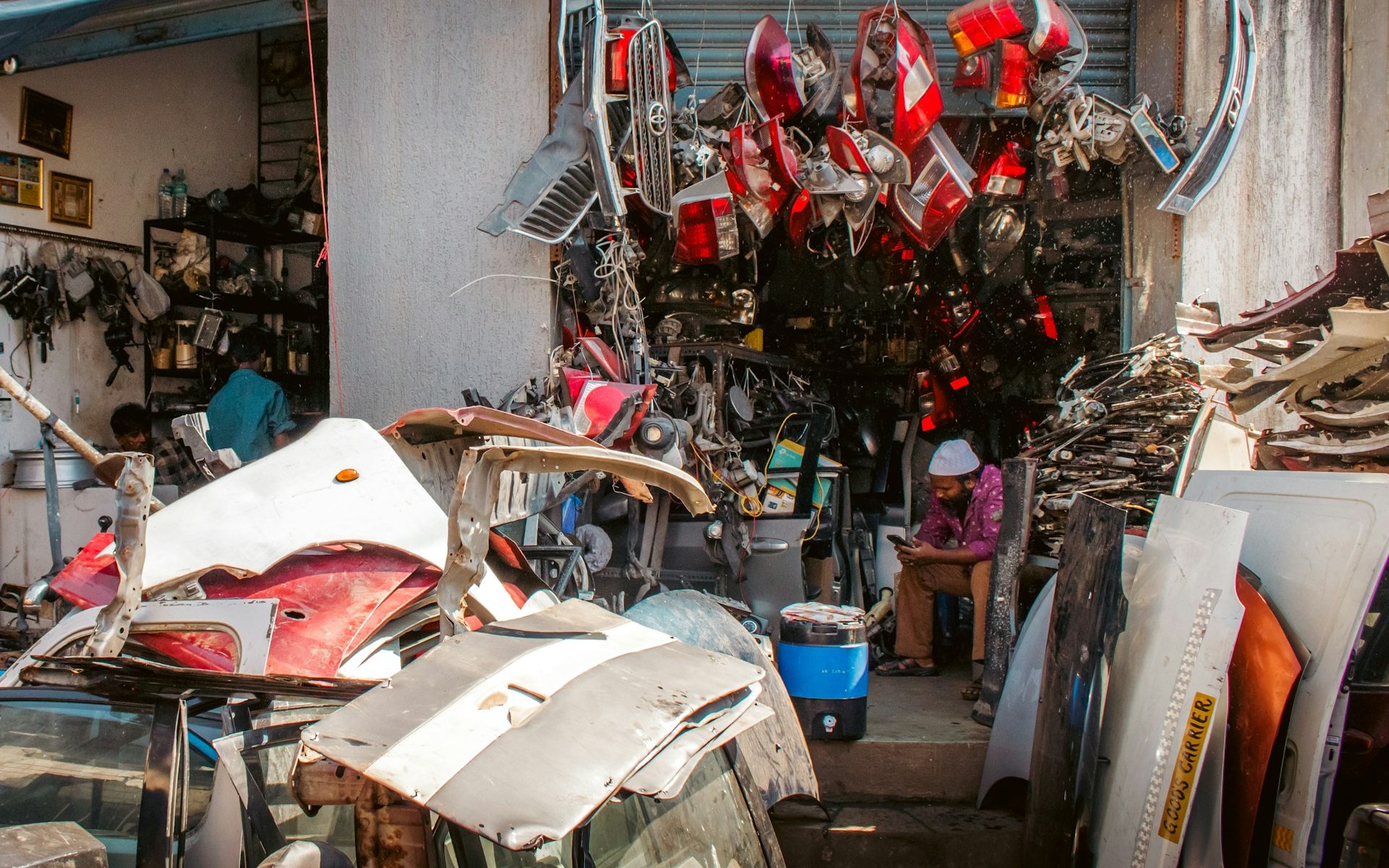
Summer Guide To Shopping Used Car Parts In Houston

Summer in Houston, Texas, puts everything to the test, including your vehicle. With the sun heating up the pavement and road trips adding extra miles, it’s no surprise that many drivers start thinking about repairs and upgrades around this time. Heat wears down parts faster, long-distance driving exposes old issues, and breakdowns tend to be less forgiving when temperatures are up. That’s why shopping for used parts becomes more common during late spring and early summer. A dependable used car parts dealer can make the whole process less stressful, helping you get what you need without overpaying or guessing. And when every summer brings more traffic, vacation plans, and downtime for vehicles, being prepared is more than just a good idea, it keeps you on the move.

Why Summer is a Popular Time for Car Repairs in Houston

Houston summers are long, hot, and hard on vehicles. Parts that held up fine all spring might not make it through the sweltering weeks ahead. That’s why so many people take care of needed repairs before temperatures peak.

  • Heat speeds up wear on several components, especially batteries, radiators, and AC systems
  • Stop-and-go traffic in summer adds stress on engines, transmissions, and brakes
  • Summer trips, towing trailers, and extra driving hours can push worn parts past their limit

If you’re planning to drive out of town, haul cargo, or just survive Houston traffic with your AC running full blast, it makes sense to get ahead of any parts that might cause trouble. Many drivers use early June to replace key items and make sure nothing is sitting on the edge of failure. Proactive replacement also helps with peace of mind, knowing you’re less likely to be stuck waiting for a tow or searching for urgent repairs when the temperature soars. Getting out ahead of the rush means you can pick through better parts choices and avoid last-minute scrambles.

What To Know Before Shopping for Used Car Parts

Before hunting for parts, it’s good to know exactly what fits your vehicle. Not every part that looks right will actually work.

  • Double-check your car’s year, make, and model whenever you’re comparing parts
  • Know your trim level and engine type, since that can affect compatibility
  • Figure out which parts really need swapping and which ones aren’t urgent

Sometimes, problems come as a bundle. If your car is overheating, for example, it might not just be the radiator. You might need a cooling fan or thermostat, too. Having a clear list of what’s worn out helps you avoid repeat trips or buying extras you don’t need. Writing down your car’s details and bringing photos of existing parts can also make it easier for the dealer to offer advice on the right match. When in doubt, bring the old part with you, this can save time and cut back on returns if there’s a surprise difference between two models or engine types.

Questions to Ask a Used Car Parts Dealer

Talking to the seller is one of the most important steps in getting the right part. A good used car parts dealer should be able to walk you through what to expect from the part you’re picking up.

  • Ask if the part has been cleaned, tested, or pulled from a running vehicle
  • Check whether it comes with any warranty or return agreement
  • For things like transmissions and engines, ask about past mileage and known wear

A little back-and-forth goes a long way. If the dealer knows the part inside and out, they’ll usually point out what signs of wear are normal and what issues to avoid. It takes a few extra minutes, but it can save time later and help avoid repeat repairs. Don’t be afraid to ask for details about how the part was stored or how recently it was removed from a vehicle. Dealers familiar with these parts will generally provide straightforward answers and explain where to look for signs of damage or heavy use. By chatting openly with your used car parts dealer, you will feel more confident about the choices you make.

How Weather Affects Part Selection During Summer

Houston heat doesn’t just impact you, it impacts your ride. Some parts simply handle hot conditions better than others.

  • Alternators, batteries, and AC compressors tend to fail faster when temperatures stay high
  • Plastic pieces near the engine bay can warp or crack if they’ve already been weakened
  • Fluid-carrying parts need more attention, since boiling points get tested often in summer traffic

The more heat-resistant a part is, the better your odds of a smooth season. Picking one that’s been cleaned, stored indoors, or pulled from a climate-similar region might make a difference. For certain components, like fan motors or sensors, heat history matters more than people think. Heat also dries out rubber seals and connections, so look closely at any used part that needs to keep fluids or air sealed tight. Extreme weather tests every connection point and fastener, and small cracks or warping can create big headaches if left unchecked as summer rolls on.

Getting the Best Value Without Cutting Corners

Used doesn’t mean sketchy. But without checking carefully, it’s easy to end up with problems that outweigh the savings.

  • Look for original markers or labeling that help confirm what the part is and where it came from
  • Be cautious of heavy wear, broken tags, or unclear script markings
  • Always ask what the return policy is before handing over payment

We try to balance cost with trust. That means spending a few extra minutes inspecting parts and asking questions instead of going for the cheapest one on the shelf. Getting a fair deal is important, but so is staying out of the shop two weeks later fixing something else the bad part triggered. Insisting on good communication with your dealer and double-checking compatibility helps cut down on other issues cropping up soon afterward. Even among used parts that look the same, the best value comes from those that have been handled and stored the right way.

If you spot something that doesn’t match your expectations, ask for clarification. Some signs of cosmetic wear are normal, but hidden damage or unusual smells can signal deeper trouble. Make sure wires, hoses, and plastic connectors are intact or repairable. Value comes not just from the price tag, but from the confidence you have in the parts you choose.

Plan Ahead and Stay Road Ready

Summer creeps up fast and doesn’t let up, especially around Houston, Texas. That’s exactly why it’s better to start early with repairs and replacements. If your car’s been acting up during the spring, that problem isn’t likely to improve in 95-degree traffic.

Figuring out what you need, talking to the right people, and choosing parts that can handle the weather goes a long way in keeping your daily drive smooth. Matching the right part to your vehicle during the summer, not just the right price, can keep you from getting stuck on the shoulder when the AC and engine are both struggling to hang on.

Just as important, checking over your car before a long drive or week of extra errands saves time and money in the end. Make a habit of catching small problems early, and don’t forget to write down the last time key systems were serviced or replaced. Routine attention to parts can mean the difference between a quick fix and an expensive tow on a baking hot afternoon.

Preparing your vehicle for summer in Houston, TX, means making sure you have reliable parts to handle the heat and extra miles ahead. At Airline Auto Parts, our wide inventory is designed to help local drivers find quality replacements without second-guessing. When you need a trusted used car parts dealer to keep you moving, just give us a call to get started.
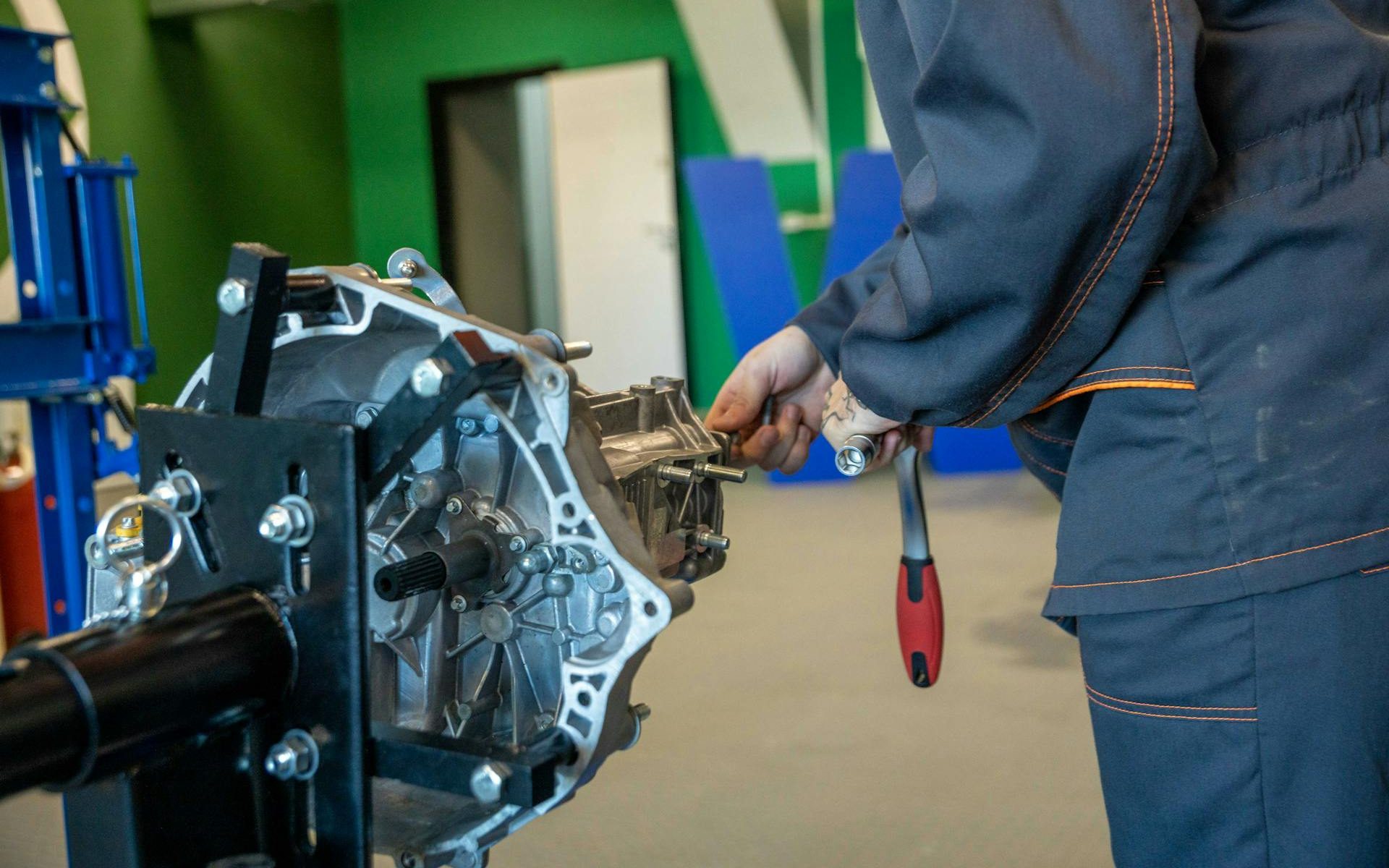
Spotting Tricky Repairs With Transmission Problems

Transmission Problems

Transmission problems can be some of the hardest issues to catch early. One reason is that they often don’t start with clear warning lights or sudden breakdowns. A vehicle could have something off in how it shifts or moves, but it’s easy to miss. Sometimes problems disappear, then show up again without warning. 

In Houston, where heat and traffic stress every system in a car, this can happen a lot more often. Once the issue is clear, replacing the part is sometimes your best move. That’s where a used automatic transmission might be worth considering. But before things reach that point, it helps to understand what to watch out for and when things might be more serious than they seem.

Early Signs That Seem Small

Transmission problems usually don’t start with something dramatic. It’s the little things that give you real clues.

  • You might notice the car shifting harder than usual or hesitating before catching the next gear
  • Sometimes there’s a strange vibration or slip when you’re driving on level roads
  • On hills or hot days, the engine might rev, but the car won’t respond as much

These don’t always feel like a big deal. A quick restart or a fuel top-off can make the issue disappear for a while. Drivers might think it’s a clogged air filter or stale fuel. That’s what makes it tricky. These early warnings often lead to delaying service, and that’s when more serious damage can start to build up. The longer a vehicle runs with these kinds of problems, the more risk there is of the transmission being damaged in a way that can’t be fixed quickly.

Heat and Houston Traffic Make It Worse

Houston summers add more stress than people realize. Traffic doesn’t just test your patience. It makes your car work double time.

  • Long idle times during summer commutes trap heat under the hood and around the undercarriage
  • In stop-and-go traffic, the transmission constantly shifts between low gears, which creates more friction
  • High outdoor temperatures make transmission fluid degrade faster and thin out over time

When the fluid can’t protect moving parts as well, wear happens quickly. If a car already had a small problem earlier in the spring, hot months can bring it back stronger. Add in the fact that a lot of drivers in Houston, Texas, use their vehicles for long daily commutes, and it’s no surprise that transmission issues sometimes peak in early summer. It makes this season one of the most important times to stay alert to signs of trouble.

Fix or Replace? Knowing When to Call It

Some transmission issues can be repaired without swapping the whole thing. But the challenge is knowing where that line falls.

  • Small fixes like replacing sensors, shift cables, or solenoids can solve the problem
  • If the fluid looks dark or burned but hasn’t caused internal failure, a flush might help, but only if caught early
  • Odd noises, persistent slipping, or overheating may point to deeper mechanical problems inside the case

By the time those deeper issues show up, it’s often more efficient and reliable to replace the entire unit. That’s when choosing a tested, high-quality used automatic transmission can make sense. 

They’re often pulled from vehicles that still ran well and didn’t fail due to abuse. You get something that’s been through the break-in period already but hasn’t completely worn out. When facing bigger damage, it’s usually safer not to rely on patch jobs that may just push the failure back a few weeks.

What Makes Transmission Troubles Sneaky

Transmission problems love to play hide-and-seek. That’s part of what makes them get worse before they’re clearly identified.

  • Sometimes the issue never trips a check engine light
  • A problem might show up when the car is hot, then vanish once it cools back down
  • You could get shifting issues that seem like engine hesitation, electrical faults, or even suspension movement

It’s easy to blame the wrong problem. Mechanics often have to look past what the computer says and check how the car feels. Drivers might leave the shop thinking the car is fixed, only to have the same issue turn up a few days later. That sort of on-and-off behavior can wear down both the driver and the car. Knowing how hard these problems can be to pin down helps explain why so many transmission problems escape early repairs.

How Many Repairs Is Too Many?

Some drivers replace one part after another, trying to chase a solution. And sometimes, it’s because the actual source of the trouble hasn’t been reached yet.

  • If you’ve been back to the shop more than once for the same shifting problem, the transmission may be the real cause
  • Repairs that keep failing, even after being done right, could point to something deeper, like a worn clutch pack inside an automatic gearbox
  • Long-term grind from poor fluid quality or internal overheating won’t be stopped by replacing outside pieces

There comes a point where replacement is the better choice. It might not feel like the cheapest first step, but when counted over two or three failed repairs, it usually adds up to less. A worn-out transmission can’t be revived with surface-level fixes. Deciding when enough is enough can save time, frustration, and avoid road breakdowns in the middle of a Houston summer afternoon.

Understanding Hidden Repairs Can Save Time

The earlier you understand the real cause of transmission issues, the less time and money you’ll spend chasing the wrong thing. That’s especially true when the car’s symptoms don’t follow a pattern or only turn up during heatwaves and long drives. Knowing what to look for matters. That includes performance changes, gear delays, and when older vehicles start acting more sluggish than they used to.

When transmission trouble is allowed to linger, issues like burnt fluid, hesitation, and slow shifts can add to the eventual repair cost. Some vehicles, especially those that spend more time in Houston’s heavy summer traffic, begin to show these warning signs far sooner than expected. Drivers who listen for changes in noise and feel, and who check under the hood for unusual leaks or smells, can catch problems before they become expensive. A single missed sign may lead to cascading failures inside the unit, so paying attention to the first hint goes a long way.

When your vehicle’s transmission issues start to surface, taking swift action can save you from extensive damage and costly repairs. Explore Airline Auto Parts’ range of quality-tested options, including a reliable used automatic transmission, to find the perfect fit for your needs. Our expert team is here to ensure you get back on the road with confidence, even in the heat of Houston, TX. Reach out today and discover how we can help maintain your vehicle’s performance effectively.

Checklist For Picking Used Parts In Houston Texas

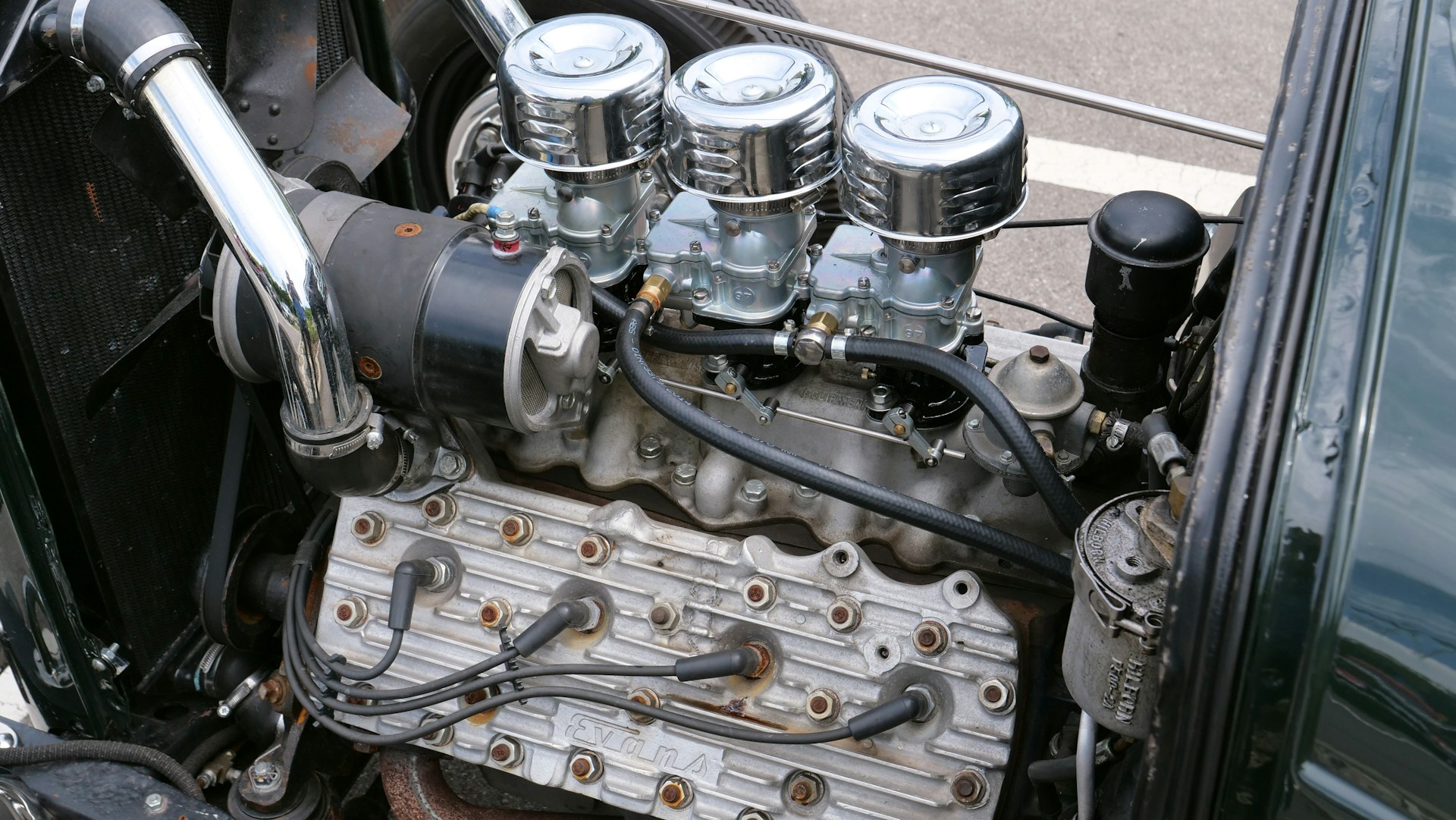
Used Car Parts

When it comes to picking used parts in Houston, Texas, a lot of drivers know they can save money and time. Still, making the right choice takes more than showing up and picking something off the shelf. We have all had moments where we bought something that seemed right but turned out to be a bad fit. Taking a little extra time to inspect and confirm details can help avoid those headaches.

Whether you’re buying a replacement switch or a major engine component, the smallest mismatch can keep your car stuck in the shop. That is why it helps to go in with a checklist. Knowing what to look for, what to ask, and how to spot red flags can keep your project moving smoothly. Most of all, it keeps things safe when dealing with heat, wear, or Houston’s busy roads.

Know What Part You Actually Need

We cannot stress this enough. Before shopping for any used part, your first job is figuring out exactly what part you need. It might sound obvious, but too many people guess or assume, and that leads to wasted time and returns.

  • Write down your car’s make, model, year, and engine size before you go
  • Check the part number if available, usually found on the broken part or in a repair manual
  • If you’re unsure, confirm with a trusted repair shop or mechanic

Even small variations between trim levels can lead to different part designs. For example, one headlight assembly might be for a model with fog lights while another is not. Double-checking everything before you shop helps make sure the part fits the first time.

Inspect Parts for Visible Damage or Wear

No matter how clean a used part looks, always give it a close inspection. You do not need special tools for this step, just a good eye and a willingness to look closer.

  • Watch for cracks in plastic parts or rust in metal areas
  • Look at bolt holes and brackets to check if anything is bent or broken
  • For electrical items, check plug ends, wires, or pins for burning or corrosion

If the part feels loose, rattles too much, or seems worn down, it is probably not worth your time. Parts should feel solid and look clean, even if used. While a little dirt or wear is okay, deep scratches, broken wiring, or missing connectors are things to watch out for.

Ask About the Part’s History

You probably would not want to use a tire off a car that rolled over. The same thinking applies here. A good seller should know where their parts came from and be willing to share basic details.

  • Ask how long the part was in service before it was pulled
  • See if it came off a running vehicle or was salvaged after an accident
  • Check if the part was tested for function or just stored on the shelf

Knowing the story behind the part gives peace of mind. A fan blower that came off a totaled car may still be fine if the damage was in a different area. But one that sat untouched for years in a humid warehouse might need more review before it can be trusted.

Understand Return and Exchange Rules

Rules vary depending on where you shop, and it is easy to overlook return policies when you’re in a rush. But if your part turns out to be the wrong one, you will be glad you asked.

  • Make sure there is some kind of return window or swap option
  • Ask whether you would get a refund, store credit, or replacement
  • Keep your receipt and any tags that came with the part

Some sellers offer short return windows, while others might only give credit. Skip parts sold “as-is” unless you are completely sure they work. A little clarity now saves repeat trips later.

Pick a Seller Who Knows Their Stuff

The smoother your buying experience, the easier the rest of the job gets. We have seen the difference between organized sellers and those who do not even check their stock. You want to work with people who know the value of working parts and keep things consistent.

  • Look for sellers with clean yards or clearly labeled sections
  • Avoid picking parts from random piles or places that do not track inventory well
  • Ask basic questions about the vehicle the part came from, and listen carefully to their answers

If you feel like someone is making things up or rushing through answers, that is a sign you might not get the help you need. Real knowledge comes through in how people talk about what they sell.

Smarter Choices Mean Fewer Problems Later

When shopping for used parts in Houston, Texas, small decisions now affect the whole repair later. The heat, the crowded roads, and the size of the city can all turn a minor delay into a major hassle. Picking the wrong item could mean extra days off the road and frustration that can easily be avoided.

It is important to check each part carefully before committing. Look for signs of wear, confirm part numbers, and always ask about the history. When possible, bring your own broken part or a photo of it, which helps with matching and spotting differences you might miss otherwise. Small details make the difference between a fast fix and another round trip to the yard.

Whether you’re replacing a door switch, a power window motor, or a steering column, getting it right the first time makes repairs much easier. A clean, tested used part can be as dependable as a new one when sourced properly. And while shopping used takes a bit more attention, it rewards you with reliable parts, better timing, and less stress down the road.

Going into summer, more drivers look for quick, affordable automotive fixes. By following a clear checklist and asking the right questions, repairs do not need to be a guessing game. Smarter choices today help your car handle the season and the Houston roads ahead.

At Airline Auto Parts, we understand how stressful it is when your vehicle needs repairs and you are pressed for time. That is why our inventory is organized and easy to search, making it simple to compare options and choose the best fit. When you want to check availability for specific used parts in Houston, Texas, our online tool lets you browse by vehicle type so you can save time before you visit. You are also welcome to give us a call to discuss your needs with our team.

Why Recycled Car Parts Work Better During Heat

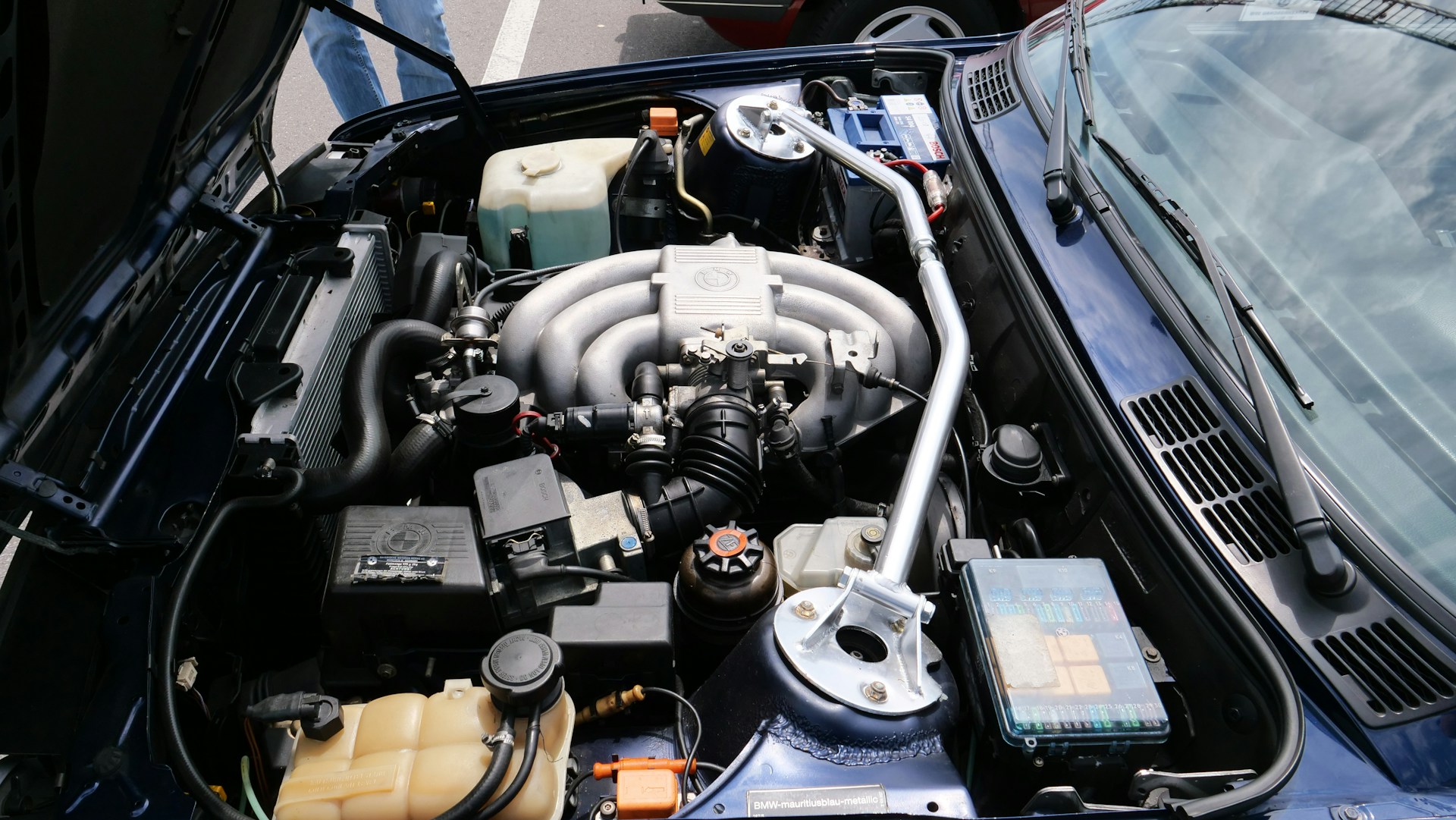
Auto Parts

Summer in Houston brings more than high temperatures. It can really wear down a car, especially during long drives or rush hour stalls. Heat changes how your engine runs, drains your battery faster, and stresses almost every system under the hood. For drivers here, taking shortcuts with parts can backfire when it’s 100 degrees out and your AC is fighting for its life.

We have found that recycled auto parts in Houston often hold up better than many expect, especially during the hottest months. That is because the right used parts do not just save money, they help your car stay ready for local conditions. Heat doesn’t treat every part the same, and when it hits hard, having parts that have already handled that stress makes a difference.

How Heat Impacts Car Performance

Once the Texas heat kicks in, a lot of people find their cars not quite acting the same. That is not your imagination. Hot weather creates real strain across vehicle systems, especially after long days parked in the sun or driving on packed roads.

  • Batteries wear down quicker when heated. Excess engine heat raises internal battery temperatures, which weakens function over time.
  • Sensors like the MAF (Mass Air Flow) or crankshaft sensor stop working well if they get too hot or face cycles of high heat and cool down repeatedly.
  • Radiators, hoses, and plastic components often weaken from heat stress. Continued expansion and contraction can crack parts, loosen seals, or cause internal warping.
  • Electronics fail for reasons that are not always visible, melting connectors, softening insulation, or warped PCB boards that short out after enough cycles.

Heat works slowly sometimes, but it does not stop. Over time, it makes weak parts give out faster. That tends to happen at the worst moments, like being stuck in traffic or driving through city blocks with just one more mile to go.

Why Recycled Parts Handle Heat Differently

The best part about a good recycled auto part is what it has already been through. In Houston, many used parts come from local vehicles, which already sat through months of heat, years of sun, and plenty of stop-and-go driving. That matters.

  • These parts have already shown they can work under stress. If a fan, radiator, or alternator ran for years in Houston’s heat and still functions, odds are it can keep handling it.
  • A lot of recycled parts are sourced from late-model vehicles with quality OEM construction. That original manufacture quality sticks with the part, even if it has been on the road before.
  • Recycled parts often come off running vehicles. When those cars endured similar strain, it gives more confidence that their parts can be counted on again.

Not everything used will be heat-tested, but when it is, that built-up experience can matter more than newness. New parts do not always mean better, especially if they are untested, made cheaply, or designed for milder climates.

What to Look for in Summer-Ready Auto Parts

Not every recycled part is a strong match for summer driving. There are easy ways to spot which pieces might be worth using during the hotter months.

  • Look for materials that do not degrade fast under heat, like rubber that has not dried out or plastic that has not gone brittle.
  • Avoid parts with clear UV damage. For example, faded plastics, cracked hoses, or brittle wiring can mean the part is already reaching its limit.
  • Ask about the part’s storage. If it sat in a covered yard or was kept in a climate-controlled warehouse, that is better than baking under full sun.
  • Use a basic visual check to spot issues like softened connectors, melted plastic clips, or any metal that looks warped or cloudy. These are easy tells that indicate quiet damage heat can cause.

Good recycled parts will still show signs of use, but they should not look like they are hanging by a thread. A solid physical check can help rule out anything questionable before installation.

Houston Conditions Make Recycled a Smart Pick

Driving in Houston means dealing with problems most other cities do not handle all at once. Rush hour here can stretch for what feels like the length of a road trip, and sitting in stop-and-go traffic on concrete adds constant heat underneath your car. That pressure builds every day, whether you notice it or not.

  • Recycled parts pulled locally have already proven they can handle these kinds of drives. There is no real guesswork when parts have worked right here in the same environment.
  • Daily commutes and long idle times mean things like cooling systems, fans, and electrical systems work harder just to keep temperatures steady. Using recycled parts that already handled this workload is a practical workaround.
  • Local climate matters. A part that works in a cooler area might fail when dropped into Houston traffic. But a salvaged part from a car that faced the same heat is more predictable.

Local parts tend to match local driving conditions more closely. That understanding matters when replacement windows are short and you want the repair to last on the first try.

Keep Your Car Running Strong As Temps Rise

Getting your car through Houston’s heat is not only about what is under the hood. It is about how those parts were chosen. Not every part needs to be brand new to work well. When looking at heat-tested, properly sourced recycled parts, it is common to see them outlast new ones, especially when they came from vehicles that drove in the same heat we live with now.

Putting a bit more thought into the condition of each part you use can save breakdowns later. Summer is not forgiving, especially in traffic. Trusting parts that already got through one summer is sometimes the smarter call compared to trusting ones that have not. And when things heat up fast, it is better to rely on what is already proven it can work.

At Airline Auto Parts, we’re committed to ensuring your car handles Houston’s scorching summer heat with ease. By choosing quality, road-tested recycled auto parts in Houston, you can keep your vehicle running efficiently and avoid unexpected breakdowns. Our selection is not only cost-effective but proven to withstand the local climate challenges. Reach out today, and let us help you find the perfect parts to keep your car running cool all summer long.

Everything To Know About Second Hand Ford Parts In Houston

Ford Parts

Second hand car parts for Ford are a smart option for drivers who want to keep their vehicles running without spending more than they need to. These are parts pulled from other Ford models that still have life left in them. And in a city like Houston, where Fords are everywhere, finding the right match can be easier than expected.

Before heading to the yard, it’s helpful to know which parts people are grabbing first, how to tell if something fits, and why preparation can make all the difference when it’s hot outside. Spring and early summer repairs often bring Ford drivers in for AC parts, cooling parts, and common body pieces. This article goes over the basics to help anyone looking for second hand car parts for Ford feel more confident before their next trip out.

What Makes Ford Parts Popular at Houston Auto Yards

Take a look around the streets of Houston, and you’ll spot a steady stream of Ford vehicles. Trucks like the F-150, SUVs like the Escape or Explorer, and even smaller models like the Focus are regular sights across the area.

  • With so many Ford vehicles still on the road, used parts get returned to the yard often
  • Common body styles help make it easier to find pieces that match, especially for newer models
  • Since Fords are consistently among the most-owned brands locally, the turnover rate for parts stays high

That keeps local salvage yards stocked with core Ford components. Whether someone is dealing with a damaged door panel or a faulty sensor, odds are better than average they’ll find what they’re after without a long wait. If someone drives around Houston even for just a few hours, they’ll likely see several Ford vehicles making routine trips to work, school, or stores. This makes Fords a familiar sight for both drivers and local yards. The fact that these vehicles are so common means that inventory for their parts tends to be refreshed often, making it less stressful for shoppers searching for replacements.

How to Make Sure a Used Ford Part Will Fit Your Vehicle

Walking into a yard without knowing exactly what fits can turn a quick visit into a long search. Matching the correct Ford part means more than just looking for the same shape.

  • Always double-check the year, model, and trim of your vehicle
  • Having the VIN or original part number makes matching quicker
  • Look for stickers, engravings, or etched codes on the original part to compare

Not all Ford parts are cross-compatible, but some are. In some cases, parts from a Fusion and a Taurus may work together. But without looking at specs, it’s easy to grab something that won’t install correctly or function as it should. Bringing photos never hurts either, especially for brackets or trim pieces that are hard to describe. Checking compatibility matters because differences like mounting points, wiring, or finish can exist even between years that seem close. It helps to take a few minutes before your trip to write down this information or snap a photo of your original part, so you aren’t relying on memory once you’re at the yard.

What to Look for Before Pulling or Buying a Ford Part

Once you’ve tracked down the right model, it’s time to check the condition. A part that looks decent from a distance might have damage when you get up close.

  • Check for cracks, dents, and rust on metal surfaces
  • Make sure bolt holes, sensors, gaskets, and mounting clips aren’t broken or missing
  • Look under the part if you can, rust or fluid leaks are signs to skip it

Plastic dash parts or anything in the engine bay should feel solid and have working connectors. We always suggest looking closely at rubber seals, too. These can dry out fast in Houston’s sun, especially in older parts sitting in open yards.

Don’t be afraid to ask if a part was tested before coming off the vehicle. Reputable yards often document what condition a pulled part was in or whether it showed signs of failure. Knowing this can help you make smarter choices and avoid repairs that won’t last through summer. Checking closely is important because even small flaws can grow into bigger issues once the part is installed. Taking just an extra minute or two to spot damage or weakness early can save you from needing another replacement sooner than expected.

Seasonal Repairs That Boost Demand for Ford Parts in May

By mid-May, Houston starts heating up fast. That means drivers are turning on those AC units, towing campers, or fixing cooling systems before long road trips.

  • AC compressors, condensers, and blower motors from Ford vehicles get higher demand in early summer
  • Power window regulators and switches become more common needs as usage increases
  • Engine cooling parts like radiators, fans, and hoses move faster because heat pushes systems harder

This is also a big season for hauling. Drivers who pull boats, trailers, or extra gear check their suspension, brakes, and drivetrain for wear. That kind of pressure can reveal problems with mounts, axles, or differentials. May is a good month to see what condition those parts are in before steep summer miles pile up. Since the Houston heat can be relentless, the need for functioning cooling systems and electrical parts grows quickly. People tend to fix or upgrade their vehicles heading into vacation season and before students are out of school, so yards can see increased traffic during these weeks.

Why Some Ford Parts Are Harder to Find Than Others

Used auto yards sometimes run out of specific parts, and Ford is no exception. The trick is knowing which ones sell out faster.

  • Bumpers, mirrors, and headlights go quickly after the most common accidents
  • Tailgates get picked fast, especially from F-150s and Rangers
  • Interior pieces like center consoles or touchscreens from newer models don’t last long once they hit inventory

There’s also higher demand for newer model parts. Since dealerships charge more for replacements, shoppers often turn to salvage yards first. That means if someone waits too long to search for a broken light or panel, it may already be sold. Limited production versions or discontinued trims can be another challenge. Some SE or FX4 variations only use certain electrical layouts or connectors, and when they’re gone, restocking takes time. Shoppers should be prepared to check for certain parts as soon as possible because some specialty items are picked clean quickly. If you need a rare feature or a specific color match, it’s worth calling the yard or checking inventory updates often.

Getting the Most Out of Every Yard Visit

Good planning saves time and money. No one wants to walk the yard twice because a part didn’t fit or wasn’t usable.

  • Call ahead or check online inventory if the yard offers it
  • Bring a list, including part numbers or photos whenever possible
  • Wear comfortable clothes, bring gloves, and show up early to avoid the worst heat

The more Ford owners know going in, the smoother the trip goes. It also helps to pay close attention when pulling the part yourself. Seeing how something is mounted makes installation back home easier. A bit of care early in the process brings more peace of mind later, whether you’re restoring a side mirror or hunting down an AC blower before summer hits.

Also, taking the time to double-check all tools and fasteners before you leave means fewer interruptions when you’re ready to finish the job. If possible, having a basic checklist saves more time for the actual search and pull. These simple steps help make each yard visit less stressful and more productive.

Fewer Surprises, Better Outings

Second hand Ford parts keep a lot of vehicles around Houston going strong, even during heavy use in the warmer months. A little prep, some smart checking, and an understanding of typical demand can give shoppers a real edge when hunting for parts.

As summer approaches, air conditioning systems, exterior body items, and cooling parts are priority buys for many. Knowing when to look, and how to spot a good match, keeps trips short and repairs even shorter. Let’s face it, no one wants to fix their Ford twice. Planning ahead makes it possible to leave with confidence and get back on the road faster.

We understand how important it is to have trustworthy parts when you’re preparing your Ford for summer driving around Houston, TX. Our inventory makes it easy to search for second hand car parts for Ford that fit your vehicle and your budget, so you never have to waste time tracking down replacements. Whether you need AC components, electrical systems, or suspension support, planning ahead can help you stay on the road with confidence. Reach out to Airline Auto Parts and let us help you find exactly what you need.

How Used Auto Parts Make Summer Road Trips Easier

Used Auto Parts

Summer road trips are often part of life for people living in Houston, and the weather doesn’t hold back. Heat, long hours on the road, and last-minute travel plans can all be hard on a car. When your vehicle isn’t running right, or you’re trying to get ready for a long drive, finding the right replacement parts fast becomes a top priority. That’s where used auto parts in Houston can help. They offer drivers more affordable options and faster fixes when time is tight and the heat is rising. This kind of prep work can make a big difference, turning a stressful drive into a smoother one.

Getting Your Car Summer-Ready Without the Wait

We’ve seen it happen. A driver is almost ready for a trip, then finds out they need a part that’s out of stock or takes weeks to arrive. Summer heat waits for no one, and travel plans don’t usually come with wiggle room.

  • Most used parts yards around Houston keep common items like air conditioning compressors, cooling fans, and radiators on hand. These parts are in high demand when the weather spikes, and they’re some of the first to fail under pressure.
  • Used auto parts give drivers a faster path back on the road. Instead of waiting on a dealer or supplier to restock, people find the part they need from nearby options that already have it pulled and ready.
  • When someone’s got a trip coming up and the car’s not ready, timing matters more than anything. Picking up parts locally helps people avoid cancellations or costly delays.

Getting your vehicle summer-ready doesn’t always need to involve a brand-new part or a long wait. Used parts, when they match what you need, make the process easier and make a big difference before heading out.

Keeping Cooling Systems Running Strong

Hot weather in Houston can be rough on a car’s cooling system, especially when it’s being pushed hard by a packed car or a trailer in tow. Radiators, water pumps, thermostats, and condensers have to work even harder when traffic slows and the sun is beating down.

  • Used parts can offer solid replacements for these components without requiring a full engine overhaul. Many of these items are still in good working order when pulled from a donor vehicle.
  • We always suggest that drivers check for signs their cooling system might be weakening before any big drive. This can look like temperature gauge spikes, steam from under the hood, or AC that stops blowing cold.
  • Used cooling-related parts are often quicker to source than new parts during the summer, especially when heat waves bring a spike in breakdowns.

No one wants to deal with overheating on a weekend away or in the middle of a winding highway. Doing a quick check and replacing a known weak point ahead of time helps keep everything working under the hood.

Affordable Fixes for Common Road Trip Issues

Some of the smallest parts in a vehicle can cause the biggest headaches when they don’t work right. Things like window motors, headlights, sensors, and power locks don’t stop a car from moving, but they make the ride uncomfortable or even unsafe.

  • We’ve noticed that these small parts are often among the easiest to replace using used inventory. They’re pulled, tested, and available at a fraction of what a brand-new one would cost.
  • Pre-trip checks are a good time to test windows for smooth motion, confirm lights are working, and make sure dash alerts aren’t showing up. Taking care of these areas now prevents frustration later.
  • Whether it’s a bad fuse or a worn battery, but not something major, these quick fixes with used parts keep things running without adding much to the schedule or budget.

Everything working as it should makes a long summer drive feel miles easier. When something isn’t right, replacing it with a tested part that’s already available saves a lot of hassle.

Load-bearing Parts Matter More in the Heat

Summertime driving often means more cargo, more luggage, and more weight overall. Between coolers, bikes, trailers, and rooftop storage, the suspension and rear end of your vehicle start feeling the pressure.

  • Used rear axles, shocks, struts, and support frames are an efficient way to strengthen your vehicle without spending a fortune.
  • Before packing up, drivers should pay attention to unusual noises, uneven tire wear, or a bouncier ride than usual. These can all point toward worn suspension parts.
  • Heat only makes things worse. Worn rubber bushings and seals inside suspension systems fail more easily under heavy load and high temperatures.

Planning ahead to replace the parts that do the heavy lifting helps your vehicle stay stable, even when it’s working harder than usual.

Make Sure Your Trip Isn’t Stopped by an Electrical Problem

Electrical problems are hard to see coming, and when they happen during a trip, they can bring everything to a stop. From sensor issues to dead clusters and failing ignition switches, an electrical mistake can shut a road trip down completely.

  • Summer heat isn’t friendly to wiring and electronic parts. It often causes connections to expand and contract, leading to loose wires or burnt-out components.
  • Used auto parts in Houston make it easier to find modules, harnesses, control boards, or instrument panels without waiting on a long backorder.
  • Replacing these parts early can keep your car starting, cooling, and running the way it should on day one and day ten of your trip.

Electrical issues can be frustrating, especially because they tend to show up suddenly. Swapping out problem parts before travel avoids that surprise on the highway.

Stay on the Road, Not on the Shoulder

Summer travel should be something to look forward to, not something that turns into a list of repairs. When it gets hot and the roads get busier, prepping your car with the right parts early can make all the difference.

If something isn’t working like it should, it’s better to deal with it before bags are packed. Used auto parts give drivers a solid option that saves time, money, and stress. Whether it’s something small or something structural, replacing it before the trip starts is what keeps the trip going.

Whether you’re gearing up for a summer adventure or need a quick, affordable repair, finding reliable used auto parts in Houston is key to staying on the road. At Airline Auto Parts, we pride ourselves on making the process easy and efficient, so you can focus on the road ahead. Discover the variety of used auto parts in Houston we offer today and ensure your vehicle is summer-ready for those unforgettable road trips.

Why Summer Brings More Demand For Used Diesel Engines

Used Diesel Engines

Summer brings more than just heat. For many drivers, it brings a change in how vehicles are used and pushed. Diesel-powered engines, especially in trucks and fleet vehicles, often see their busiest months when temperatures start climbing. Whether it’s longer road trips, heavier work schedules, or added towing demands, this season tends to put extra pressure on diesel engines. That’s why we tend to see more interest in used diesel engines for sale leading into the summer months, especially in warm regions like Houston, TX. With more people depending on their vehicles to perform in high-heat conditions, the need for engine replacements starts to rise.

Workload Increases for Diesel Vehicles During Hot Months

As the weather warms up, diesel vehicles start getting used harder and more often. Many of the people who rely on these engines build their schedules around the summer season.

  • Contractors usually pack their calendars with jobs across different sites, and many of them rely on diesel pickup trucks or vans to carry tools, gear, or trailers. These constant trips take a toll on the engine.
  • Families who use diesel RVs or trucks for vacation travel start to hit the road more often in late spring and early summer. These long drives, usually under heavy loads, put extra stress on older engines.
  • High temperatures can expose issues that went unnoticed during cooler months. Overheating, slow starts, or loss of power sometimes tip drivers off that it might be time for a replacement.

By the time summer is in full swing, a large number of drivers have already started looking for a reliable engine that can handle tough use without giving out.

Diesel Trucks See Extra Towing and Hauling Use

Summer is a common time for towing boats to the lake, pulling trailers across the state, or hauling small gear setups for camping. Diesel trucks are the go-to choice for many of these jobs, but that demand doesn’t come without strain.

  • Towing under heavy weight puts pressure on engine components, especially when done daily. High revs, frequent stops, and long idle times heat things up fast and reveal weak spots.
  • After heavy use, some truck owners begin noticing delays in acceleration, more smoke from the tailpipe, or temperature spikes. These signs often lead to engine checks and, sometimes, full-on failure.
  • When that happens, speed matters. Waiting around for a full rebuild isn’t always an option, and buying new can mean long delays and big expense. For many, a dependable used diesel engine becomes the faster fix.

Here in Texas, where summer heat packs a punch, it’s not hard to see how these conditions push engines harder than any other time of year.

Farmers and Landscapers Depend on Diesel Through the Season

For businesses that work directly with the land, summer is prime season, and diesel plays a big part in keeping things running.

  • Farmers often rely on trucks that run multiple times a day between fields, storage, and markets. The timing of jobs like harvest or irrigation doesn’t wait for cooler weather.
  • Landscapers handle more weekly work during summer than any other time of year. Whether it’s hauling mulch, towing equipment, or simply making their rounds across town, their diesel vehicles stay active all day.
  • When a truck goes down, the job gets delayed. Many shop around for an engine replacement that can be installed quickly rather than invest in brand-new equipment. It’s about keeping pace, not rebuilding from scratch.

Dependability matters most when timelines tighten, and during the hottest months, even a day without a truck can throw off the whole week.

Supply Chain and Fuel Price Factors Motivate Engine Swaps

Summer isn’t just about heat. It brings changing fuel prices, higher repair demand, and more traffic, all of which affect how people think about their engines.

  • Some owners look to upgrade their older engines with newer used ones that offer the same performance but run a little smoother or use less fuel in the long haul.
  • Repairing or rebuilding an engine requires labor, tools, and time. For drivers juggling work or family needs, a quality used engine feels like the simpler route that gets them back on the road sooner.
  • When the usual supply slows down, used diesel engines for sale become the smart move. They offer a way to stay mobile without overpaying or waiting weeks for a fix.

The extra pressure and uncertainty of summer drive more people to explore what’s available now, not later.

A Reliable Engine Can Keep Summer Plans on Track

Plans don’t stop just because an engine quits. That’s why replacements aren’t just about solving problems. They’re about avoiding more of them later.

  • We often hear from drivers who’ve had vehicles stall in the middle of a trip or overheat during peak traffic hours. That kind of disruption stresses vacations, jobs, and everything in between.
  • A used diesel engine that’s tested and ready offers confidence. It fills the gap without the high cost of something brand new.
  • For summer in places like Houston, TX, where temperatures hit hard and fast, having a working engine is the difference between getting work done and calling for help on the shoulder of a highway.

With the season in full swing, every minute counts. No one wants to gamble on a motor they can’t rely on in high-heat traffic or on back-to-back shifts.

When Extra Demand Meets High Heat, Planning Pays Off

Summer puts extra pressure on vehicles, especially diesel trucks that carry heavy loads or travel long hours in the heat. That demand naturally creates more need for engines that can keep up. Whether it’s for work, weekends, or long trips, more people start looking for replacements now instead of waiting until something fully breaks.

We see this pattern every year. The earlier drivers think ahead, the better their plans hold up under the summer sun. That’s why awareness matters. When you know what’s coming, it’s easier to stay moving without delay.

Keep your summer adventures in full swing with dependable performance straight from Airline Auto Parts. Don’t let a broken engine grind your plans to a halt. Check out our selection of used diesel engines for sale for a reliable, cost-effective solution that’s ready to meet the demands of Houston’s heat. Call us today and ensure your vehicle is always ready for the road ahead!

What You Might Miss When Buying From Car Parts Dealers

Used Auto Parts

Buying used car parts can seem like a straightforward way to solve a problem. A lot of people look to used car parts dealers when something breaks because it feels faster and cheaper than buying new. And in many cases, it can be. But there are some things people tend to miss along the way that wind up costing more time, money, or frustration later on. Whether you are replacing a bumper, a mirror, or an engine component, a little extra attention during the buying process goes a long way.

We have worked with many drivers through this process, and we have seen patterns in what gets overlooked. Taking a closer look at these details can make the difference between a successful buy and one that throws your week off track.

Skipping the Right Questions

When it comes to used auto parts, a lot of people skip past the most important step: asking the right questions. It might sound simple, but it’s easy to miss when you are trying to solve a problem quickly.

  • Some buyers think that if the part is available, it must be ready to go. But if you are not asking about the exact condition, past repairs, or whether it has been tested, you are making a guess.
  • Compatibility matters a lot more than people expect. Two vehicles from the same year might have different trim levels or engine types. Forgetting to double-check against your own make and model can lead to returns or delays.
  • Return policies, warranties, or what happens if you buy the wrong part are often afterthoughts. But when something does not fit, a bad policy can leave you stuck with a useless part and out the money.

It only takes a few questions to avoid a headache, but you have to know to ask them before you pay.

Ignoring Signs of Prior Damage

Used parts do not have to look perfect, but that does not mean visual damage is harmless. When people pick up a part and do not carefully inspect it, they can end up installing something that adds more problems than it solves.

  • Scratches or minor wear may not matter much, but cracks, bent areas, or corrosion are red flags if you want long-term use.
  • It is common to miss hidden damage, too. A part might pass a quick visual check but still be unusable if it has not gone through a proper function test.
  • Some parts get cleaned or painted, which hides signs of wear. That clean surface might be covering a history of stress, overheating, or poor handling.

If you only check what you can see, you might miss what really matters. If you are not sure how to check something, it is worth asking someone who does.

Overpaying for Common or Overhyped Parts

We see it happen all the time. Some used car parts are easy to find, but people still end up paying more than they should. Why? Usually, it comes down to not comparing enough or getting caught up in the first offer.

  • Some parts look rare because they are out of stock in a few places, but that does not mean they are truly hard to find.
  • Without checking prices across different sellers, you could end up paying more than the part is worth just to close the deal fast.
  • It is easy to think a higher price means higher quality, but that is not always the case. Used parts have value based on condition and demand, not just cost.

A little price comparison can save you from spending on hype.

Misunderstanding What “Used” Really Means

There is a big difference between used, rebuilt, and remanufactured, but those terms get thrown around like they mean the same thing. If you are not sure what you are getting, that can lead to the wrong expectations.

  • Not all used parts are worn out. Some are take-off parts from newer vehicles involved in minor accidents.
  • Remanufactured parts have been disassembled and rebuilt to work like new, while rebuilt parts might only have repaired the broken section.
  • Many buyers do not read condition labels or part descriptions closely, or they trust old listings without seeing what is actually being sold.

Buying from used car parts dealers without clear definitions or real condition checks leads to confusion. We hear a lot of people say they expected the part to be in better shape, usually because they did not know what “used” meant in that context.

Failing to Double-Check Installation Details

One of the biggest surprises people run into after buying a part is that they are missing something they need to install it. You might think you bought everything, but you do not realize what is missing until it is time to finish the job.

  • Some used parts do not include things like brackets, mounting bolts, or small hardware. If they are not specified, it is best not to assume they are included.
  • Without the right attachment pieces, installation can be delayed or impossible until extra parts arrive.
  • A missing clip might sound small, but if you are working in a tight space or under pressure, it changes everything.

The sooner you ask what is included, the easier it is to plan ahead.

Stronger Results Start With Better Questions

Making used parts work for your needs is not about luck. It is about slowing down enough to ask better questions before you pay. It is easy to skip over the small stuff when you need a quick answer, but taking a little extra time upfront can save hours later. Buying used parts can go smoothly when you are prepared with good questions and realistic expectations. Let the part do the work, not the guesswork.

When it comes to finding reliable used car parts dealers, knowing what to ask can make all the difference. At Airline Auto Parts, we are your trusted partner in Houston, TX, ready to assist with all your automotive needs. Avoid setbacks by connecting with a dealer that prioritizes your satisfaction through transparency and expertise. Give us a call today, and ensure every part you purchase is a perfect fit for your vehicle.

Guide To Houston Summer Repairs Using Spare Parts

Using Spare Parts

Summer in Houston, Texas, brings more than cookouts and long days. It delivers serious heat that puts extra strain on vehicles. That’s especially true for older drivers and work trucks that stay on the road day after day. When temperatures spike, small car issues can turn into big headaches fast.

Used vehicle spare parts make it easier to address warm-weather problems without spending a fortune. Whether your radiator’s wearing out or your AC just quit cooling, the right recycled part could bring things back to working order. We’ve put together a breakdown of common summer repairs to help you get through the season safely and affordably.

Check Your Cooling System First

As Houston summers push into triple digits, your cooling system becomes one of the most important parts of the vehicle. It’s also one of the first to give out under pressure.

  • Radiators can crack, especially plastic ones
  • Fans and fan clutches may stop spinning efficiently
  • Thermostats sometimes stick closed, trapping heat inside the engine

Inspect water hoses for soft spots or signs of swelling. Check around the overflow tank for dried coolant spots or puddles under the car once it’s parked. When it comes time to make any swaps, finding a matching used radiator or fan setup usually gets things working again faster than waiting on a new order. It’s common to find spare hose connectors or refill caps already attached, which can help finish the job without extras.

Don’t Ignore Electrical and AC Wear

Without working air conditioning, stop-and-go traffic around Houston can become unbearable real quick. Heat has a way of pushing struggling electrical parts to their limit.

  • That AC compressor that was loud last fall? It’s probably done now.
  • Blower motors or resistors acting strange last month? They may stop functioning altogether on a hot day.
  • Old fuses and relays may not handle the surge when systems try to kick on under load.

Sometimes, the real problem is inside the vehicle. Cabin switches stop responding, control panels show blank screens, or window vents stop reacting. Many of these are fixable using quality used vehicle spare parts. Swapping in a good control module, working switch, or replacement climate panel can bring interior systems back without a full overhaul.

Replace Worn Suspension and Steering Parts

Summer road conditions are rougher than they seem. Between city potholes and long highway stretches, it’s easy for suspension parts to wear down silently.

  • Listen for clunking or groaning after bumps
  • Feel for extra play in the steering wheel when turning
  • Notice any drifting or vibration at higher speeds

When these symptoms show up, the most common culprits are struts, steering racks, or upper and lower control arms. These parts take repeated stress from hot road surfaces and quick temperature changes. Replacing worn suspension parts with matching used units can bring back that solid, predictable steering feel. It’s one of the simplest ways to improve ride comfort before summer gets worse.

Prep the Engine Bay for Long Drives

Between summer trips and traffic backups, your engine will see more idle time and more long-distance strain. That means minor wear now can turn into roadside delays later.

Check these basics:

  • Drive belts with cracks or squealing should be replaced
  • Pulleys that wobble or create noise may be out of alignment
  • Oil or coolant leaks should be traced quickly before the next trip

Engine mounts that are beginning to sag can let the motor shift more than it should. That might cause more rattling or even throw off the alignment of other components. Many of these engine bay parts can be safely replaced using recycled matching items from the same vehicle type. Whether it’s a pulley bracket, belt tensioner assembly, or motor mount, installing a clean used part can save time and prevent bigger wear risks during peak summer heat.

Restore Function to Doors, Windows, and Locks

Houston heat doesn’t just affect the big systems. It wears down small but important features like power windows, door locks, and glass seals. In underground garages or direct sun, plastic and rubber parts can warp, crack, or stick.

  • Windows may drop unevenly or get stuck halfway
  • Power lock actuators may click without working
  • Window switches can sometimes stop responding altogether

These aren’t just comfort problems. Poor seals or locked windows can trap heat inside the car or make emergency exits harder. Many used parts yards keep racks of tested regulators, switches, and connectors ready to go. Swapping these out now gives peace of mind before the hottest part of the year arrives.

Keep Houston Roads Manageable This Summer

We see it every year. The heat rolls in, cars start overheating, AC systems quit, and drivers find themselves stuck or struggling in traffic. Quick repairs early in the season can make all the difference.

Whether it’s keeping cabin air cool, preventing leaks, controlling sway in corners, or just getting the windows to roll down, summer repairs are worth the effort now. With smart use of used parts, it’s possible to get reliable upgrades without waiting or overspending. The right fix at the right time keeps Houston drives smoother and a little less stressful as the heat builds up.

At Airline Auto Parts, we understand how quickly summer heat can impact your vehicle’s reliability, especially in Houston, Texas. Whether your AC isn’t keeping up, your suspension feels worn out, or electrical quirks appear after a long drive, having dependable parts matters. That’s why we make it simple to find exactly what your car needs without wasting time or stretching your budget. Browse our inventory of used vehicle spare parts any time to keep your repairs moving forward, and give us a call when you’re ready, our team is here to help.

How To Match Used Car Parts To Your Make And Model

Car Parts

Getting the right fit matters when you’re shopping for used parts. If a part doesn’t match your vehicle exactly, it won’t work the way it should. When local drivers come looking for used car parts in Houston, TX, they usually bring a goal with them: get the right piece, at the right price, without wasting time. The best way to make that happen is by knowing what to look for before you walk into the yard.

Matching used auto parts to your vehicle’s make and model can save hours of stress. Every car has variations, even between similar years or trims, and what fits a 2019 model usually won’t work for a 2020, especially if factory changes were made. A little prep work goes a long way toward leaving with a part that fits like it should.

Know Your Vehicle Details Before You Shop

Start by writing down the details that make your vehicle unique. Small changes in trim, engine type, or transmission can change which parts will work.

  • Make and model are helpful, but the build year is just as important. A redesign during a model year can mean parts no longer line up.
  • Your Vehicle Identification Number (VIN) tells a lot. If you bring that number with you, it can help confirm exactly what was built into your car.
  • Photos make a difference too. If you’re replacing a door mirror, for example, a picture of the damaged part saves back-and-forth questions.
  • Don’t guess when it comes to electrical or engine components. Write down any part numbers you can still read from your old part label.

The better prepared you are, the fewer chances you take on picking something that just won’t work.

Understand How Parts Are Categorized in the Yard

Used parts are usually organized in a way that makes them easier to find based on what kind of vehicle you’re searching for.

  • Most yards group cars by make or type, trucks in one area, sedans in another. Some group them by manufacturer, like all Toyotas in one section.
  • Major items such as engines and transmissions might be removed and tagged separately. These will have labels showing mileage, known condition, or whether it’s been tested.
  • Items still inside a vehicle may come with extra context. You can often see how the car was damaged and get an idea of what parts might still be in decent shape.

Labels make the process more transparent. The more information printed on a tag, the easier it is to make a confident decision. If something’s unclear, asking the yard staff how vehicles are laid out can save time.

What Fitment Actually Means for Used Car Parts

“Fitment” is more than size. It’s whether a part connects the way it should and functions without issues. Even something that looks right might not be right under the surface.

  • A car stereo, for example, might slide into the right space but need a different wiring harness. That’s a mismatch in fitment.
  • Brake parts, steering components, and even seatbelt assemblies can all vary with trim package or safety system upgrades.
  • If you’re hoping to swap a part from a different year or trim, be extra cautious. You might visually match something and still run into issues installing it.

We always recommend checking part compatibility using a reference tool, VIN, or talking with someone on-site who understands how certain year ranges work. A five-minute conversation can save a return trip.

Seasonal Buying Tips for Houston Drivers

In the Houston area, the weather shifts hard by May. That affects both how people drive and what parts they tend to need.

  • AC systems get stressed during early heat waves. Condensers, compressors, and blower motors are high-demand items going into summer.
  • Cooling systems follow behind. Radiators, cooling fans, and thermostats fail more often once the temperature rises and cars run hotter.
  • Interior comfort also matters. Drivers start looking for missing or broken sun visors, cracked trim, or even worn seat covers once the season changes.

Matching parts for these systems takes extra care. Even a small mismatch in a wiring connector can keep an AC unit from running. Understanding year-to-year changes in comfort packages or cooling system designs makes buying smoother.

When in Doubt, Ask for Help

Let’s be honest. Some parts look nearly identical. A quick glance might not be enough to spot what’s different, especially if you’re not used to parts shopping.

  • If there’s any uncertainty, asking someone nearby is the best step. Whether you need help identifying a model variation or confirming a part’s label, skipping the guesswork can save hours.
  • A part that’s wrong by a half inch doesn’t just fail, it may never install to begin with. That turns a quick job into a longer delay.
  • Even experienced mechanics double-check fit on parts that cross between trims or engine types. It’s just smart to pause when something doesn’t seem right.

Getting the right fit early on avoids frustration at installation. No one wants to come back to the yard more than once for the same fix.

Make Matching Used Parts Simple and Stress-Free

Picking the right used part for your specific car isn’t just smart, it’s doable. When we take a few minutes to prepare, everything goes smoother from start to finish.

At the end of the day, it comes down to paying attention. A little homework on your vehicle details, browsing carefully by section, and staying alert for label differences makes the whole trip easier. Used parts can save a lot of money, but only when they’re the right fit. When you match them correctly from the start, the results feel worth it.

At Airline Auto Parts, we’re committed to making your search for reliable used car parts in Houston, TX simple and stress-free. Explore our extensive inventory online to find exactly what you need before you visit, ensuring you get the perfect fit every time. Click here to browse our selection of used car parts in Houston, TX or reach out to us for any assistance. We’re here to help you make the right choice for your vehicle.

Signs Your Car Is Ready For A Used Transmission

Used Transmission

Transmission issues have a way of showing up slowly, then all at once. One day your car feels fine, and the next it starts acting strange in traffic. For many drivers, spotting the early signs can be tricky. If you catch them early enough, fixing the problem might be simpler than you think. A used automatic transmission could be the right fix without the price tag of a brand-new one. For drivers in Houston, spring is a good time to pay attention. As temperatures rise and summer road trips creep closer, this is when many car problems begin to show themselves.

Understanding when your transmission is giving out can save you from getting stuck on the side of the highway or paying more than necessary later. Here are some clear signs to watch out for.

Gear Shifts Feel Rough or Delayed

In a healthy automatic transmission, shifts between gears should be smooth. Most drivers barely notice them. But if transitions start to feel jumpy, rough, or slow, something inside the transmission might not be working like it should.

  • Jerky shifting often means parts inside are starting to wear down.
  • A pause or delay when changing gears may signal loss of pressure or fading line pressure inside the system.
  • These issues can worsen in the stop-and-go traffic common around Houston, where your vehicle shifts frequently in a short time.

If your car starts to feel off when changing gears, it may not go away on its own. Over time, it usually gets worse, not better.

Transmission Fluid Smells Burnt or Looks Dirty

Transmission fluid helps everything inside run smoothly and stay cool. It also gives you a quick clue when something’s not right. Fresh fluid should be a clear red color and have a slightly sweet smell.

  • If the fluid looks dark brown or black, it may be overheating or filled with debris.
  • A burnt smell usually points to friction or heat, both signs of heavy stress on the system.
  • In extreme heat or when towing heavy loads, degraded fluid often shows up first.

Spring is a good time to check fluid condition before summer traffic and high heat make small problems worse. Ignoring bad fluid can lead to full transmission failure faster than most people expect.

Warning Lights or Strange Noises Appear

Modern cars use dashboard alerts to flag issues before you feel them. While a warning light doesn’t always mean full failure, it does mean something needs attention.

  • A transmission light can mean problems with sensors, temperature, or shifting.
  • Sounds like humming, banging, or whining from the transmission tunnel or under the hood shouldn’t be ignored.
  • These noises may only show up when speeding up or driving uphill, which makes them hard to catch on a short commute.

Catching a sound or light early can help prevent breakdowns, especially when long drives become common during spring and summer.

Trouble Staying in Gear or Slipping Out of Drive

When your car won’t hold a gear or slips out of drive, that’s usually a clear warning. At first, it might be just once in a while, so it’s easy to miss. But the gap between shifts can become longer or start happening more often.

  • You might notice the car hesitating when you move from park to drive.
  • In some cases, it randomly falls into neutral while moving at low speed.
  • These slips can put you in danger, especially at a green light or merging on a Houston freeway.

This is a more serious symptom. It points to failing internal parts, worn-out bands, or poor fluid pressure. These are not issues to drive around with.

Poor Acceleration or Delayed Response

The transmission and engine share the job of pushing your car forward smoothly. When something sneaks up in the transmission, acceleration is usually one of the first things to feel weak.

  • Pressing the gas might give a slow or delayed response.
  • The engine could rev loudly without the car gaining much speed.
  • This can become a real problem when trying to merge onto fast-moving traffic, which is common across Houston highways.

If your car is slow to respond or feels like it’s falling behind when you need power most, it’s a strong hint that the transmission is struggling to hold up under pressure.

Know When It’s Time to Replace, Not Repair

At a certain point, repeated shifting issues, fluid problems, or strange sounds stop being minor annoyances and start becoming regular parts of your daily drive. That’s when it’s worth considering something more reliable.

A used automatic transmission can be a good option when repair after repair doesn’t stick. It replaces the whole unit instead of trying to patch its failing parts one at a time.

We always tell drivers that the longer you wait, the more likely other systems will be affected. If your vehicle is showing two or more of the problems above, it might be time to plan for a bigger fix. The earlier you notice and respond, the fewer problems you’re likely to run into down the road.

Listen Early, Drive Longer

Transmission trouble doesn’t need to catch you off guard. Most of the time, your car gives a heads-up well before failure happens. Catching those signals early makes a difference, especially when the weather warms up and driving loads increase.

Small symptoms like hard shifts, dark fluid, or a warning light can be the start of something bigger. By watching for changes, you can decide what makes more sense, repair or replace. Either way, staying ahead of the signs keeps your car on the road and avoids the stress of sudden breakdowns.

Don’t let your car’s transmission problems put a damper on your driving plans this season. If your vehicle is showing signs of wear, avoid costly repairs by choosing a reliable used automatic transmission from Airline Auto Parts. Our selection ensures you’ll find a fully tested and organized unit that suits your needs in Houston, TX. Reach out today and keep your car rolling smoothly down the road.

A Look Inside A Day At A Houston Car Parts Yard

Car Parts

When most people think of Houston car parts, they picture shelves lined with engines, bumpers, and brake systems. What often gets missed is the daily work that keeps those parts in stock, organized, and ready to go. Spring is a busy time for yards in Houston, Texas. With drivers preparing for summer trips and shop owners focused on restocking after the winter rush, things move fast once the sun comes up.

We want to give a behind-the-scenes look at how a single day plays out in an active car parts yard. It’s more than moving scraps or tossing parts into bins. There’s a steady rhythm from the moment gates open to the final cleanup in the evening. Here is how it works from start to finish.

Early Morning: Setting Up and Incoming Inventory

The day starts early, usually just after sunrise. Spring mornings in Houston are warm, which helps get right to work without long waits for equipment to warm up or ground to dry.

  • We start by checking inventory brought in overnight. Towed vehicles are inspected before anything else runs.
  • Each car is logged, tagged, and looked over for fluids, loose parts, and damage that could affect removals.
  • Once a vehicle is cleared, we decide which parts are worth pulling based on condition and demand.

Sometimes, there are unique vehicles brought in that cause everyone to stop and gather for a minute to discuss their value. We follow yard safety rules closely while setting up workstations and getting tools ready. This step may look like preparation, but it’s the first real move toward getting quality parts back into circulation.

Pulling and Processing Parts

After inventory comes the part-pulling process. This is where our people really move, especially when spring orders start stacking up.

  • We assess vehicles for usable items like engines, alternators, hoods, or seats.
  • Tools are chosen based on what needs removal, and care is taken to avoid damage during disassembly.
  • We wipe down and sort parts before they are labeled. Some need cleaning, others testing, and all need tracking.

Everything that gets pulled is documented. No part is shelved without knowing exactly what it is and what car it came from. That way, we avoid confusion later and make it easy for people looking for matching parts.

By mid-morning, the noise from tools blends with quiet hustle as parts make their way from vehicles to carts, then to dedicated work areas. Worn-out parts get filtered out, sorted into bins for recycling, or moved aside for further inspection. There’s a careful balance of speed and attention to detail that keeps the day smooth.

Customer Activity and Yard Interaction

Spring brings more people to auto parts yards, especially in larger cities like Houston, where the demand for used parts is strong.

  • Local mechanics often stop by first, usually with a list of items they need for ongoing repairs.
  • Individual drivers show up later in the day, shopping for specific replacements or looking for deals on hard-to-find parts.
  • Some are regulars and know where to look, while others ask for help identifying what works with their vehicle.

We guide people through the yard and answer questions about what’s available. When people show up needing Houston car parts, they usually want to leave with something that day. Spring heat plays a role here too. As temperatures climb, we keep assistance quick and directions clear so people get what they came for without too much time outdoors.

Because the foot traffic can spike unexpectedly, we have our team ready to answer questions or help someone load a heavy part into a truck. Some people want to inspect items on the spot, while others are satisfied as long as parts are ready at the counter before they arrive. Yard staff often juggle these requests side by side and always keep safety first.

Organizing for the Afternoon

After the morning rush dies down, the focus shifts back to organizing and moving parts. It takes a steady rhythm to keep parts flowing without mix-ups or waste.

  • We restock shelves based on the fastest-moving parts of the week. That includes filters, sensors, and body panels for newer-model cars.
  • Items are grouped by vehicle type, making it easier to find combinations that people ask about frequently.
  • Pickups and shipping prep also happen here, with boxes packed and labels checked before anything leaves the yard.

Organization is what holds everything together. Without it, the entire cycle slows down. It’s not the flashiest part of the job, but it’s what keeps things working smoothly.

During afternoons, team members check lists against orders, making sure nothing goes missing. The yard runs more quietly, but every part must be managed correctly to keep up with orders and requests. This attention to detail prevents accidents and makes the next morning’s inventory check much faster. The balance in the yard is managed by restocking, prepping inventory for pickup, and planning for repeat needs seen during busy spring and early summer months.

End of Day: Cleanup and Looking Ahead

Late afternoon brings quieter energy. Most of the day’s visitors have come and gone. This is when we clean tools, check gas levels, and put unused gear back where it belongs.

  • We sweep walking paths, lock cabinets, and re-cover scrap bins.
  • Broken parts and unusable metal go into separate containers to prep for recycling pickup.
  • Finally, we scan what sold that day and flag vehicles that may be stripped and ready to remove.

Before closing up, we make notes on what’s likely needed for the next morning based on what moved quickly. A good cleanup makes the next day smoother. If anything is off or missing, we deal with it before we clock out.


Sometimes we get a last-minute call or a driver returning for another load, and we do our best to help them before shutting the gates. A careful end-of-day walk through the inventory makes sure nothing important gets overlooked, especially those parts set aside earlier for customers or pickup.

Why Understanding the Process Matters

When people shop for Houston car parts, they do not always see how much goes into each item on the shelf. Behind that part was a careful removal, testing, paperwork, and storage process. All of it runs on a schedule that repeats daily but changes based on the season or inventory shift.

Getting to know how a salvage yard works helps buyers ask better questions and make confident decisions. From tagging a new arrival to packing a part for pickup, every step matters if it is going to work once it’s installed. We treat every day as a chance to get it right from the start.

Discover the convenience and quality of finding used car parts in Houston, TX, right here at Airline Auto Parts. Our seamlessly organized yard helps you easily navigate through our inventory, ensuring you get the parts you need without hassle. Whether you’re a mechanic on the hunt for a specific item or a driver eager to prepare for your upcoming journey, we have what you’re searching for. Contact us today and experience seamless service and the reliability of our well-stocked selection.

How To Safely Clean Salvage Car Parts At Home

Used Auto Parts

Spring is a great time to inspect the parts you’ve collected for your car, especially if they came from a salvage yard. After pulling components, many drivers don’t clean them right away, but it’s smart to take care of them before installation. Dirty or greasy salvage parts can wear out faster, slip during assembly, or cause performance hiccups down the line.

We’ve noticed that as temperatures rise in Houston, Texas, more car owners are taking the time to wipe away rust, grime, or oil buildup before installing their parts. Knowing how to clean safely at home not only brings better results but keeps your workspace cleaner and helps you spot damage early. If you’re working with salvage car parts in Houston this spring, here’s what to know before firing up the hose or grabbing a wire brush.

Know What You’re Working With

Every part is different, and materials matter more than you might expect. Before you begin cleaning anything, check what it’s made of.

  • For plastic components (interior trim, vents, or clips), a mild soap-and-water mix usually does the job.
  • Metal parts like brackets, engine components, or heat shields need degreasing, but some coatings can peel if you use the wrong stuff.
  • Rubber items will break down fast if exposed to solvents or hot water for too long.

Electrical parts should never be cleaned like regular mechanical ones. Wipe them gently with a soft, barely damp cloth or use compressed air to get into crevices. If you’re not totally sure what the part should look like when clean, search for a reference image so you don’t damage something by over-scrubbing.

Pick the Right Spot and Tools

Cleaning outside is a good option as long as the weather is clear and it’s not too windy. Spring in Houston brings warmer days, so avoid working outside during peak heat. A covered carport or garage with windows open works best for airflow.

You don’t need anything special to clean salvage parts. Here’s a short list of what helps:

  • Buckets with warm water and mild soap
  • Soft brushes or old toothbrushes
  • Microfiber cloths
  • A plastic tarp or cardboard to catch drips
  • Rubber gloves for safety
  • Small containers to keep screws and clips from rolling away

Designating one area for cleaning helps keep grease and chemicals away from the rest of your garage or driveway.

Step-By-Step Cleaning Basics

Every part should be handled based on its use and condition, but most follow the same general process.

  1. Begin with a dry brushing. Use an old paintbrush or soft broom to knock off dust, cobwebs, or dry dirt.
  2. For moderately dirty surfaces, dip your cloth in soapy water and wipe gently. Use brushes for tight areas.
  3. Metal components often need a degreaser. Let it sit for a few minutes, then scrub lightly with a bristle brush.
  4. Rinse only parts that are safe to be wet. Electronics or fragile connectors should never be soaked.
  5. Pat all surfaces dry with a clean towel before moving them again.

The goal is a part that’s clean enough for handling and installation, not a showpiece. Stop once the surface stops producing dirt and looks free of buildup.

What Not To Use or Do

It’s tempting to grab the strongest cleaner you’ve got, especially if the part looks beyond dirty. But that can cause more harm than you might think.

Avoid these when working on salvage car parts:

  • Bleach or acidic products, which can break down metal or strip protective coatings
  • High-pressure tools that can dent soft parts or snap plastic fittings
  • Soaking anything electronic
  • Leaving any part wet overnight, especially in Houston’s sticky spring weather
  • Tools that scratch or gouge like steel wool, sanding discs, or heavy-duty scrapers

If you’re unsure, test a tiny corner of the part first to see how it reacts before going all in.

Finish Up and Store Smart

Once your parts are scrubbed and fully dry, keep them away from moisture and sunlight. Both will shorten the life of rubber, fade plastic, or cause rust to return.

Storage is often where things go sideways for people. Here’s how we handle it:

  • Dry each part again by hand one final time before packing
  • Wrap smaller items in paper towels or plastic to keep dust out
  • Label boxes or bags with the part name, vehicle make and model, and where it goes
  • Store parts in plastic bins or small shelves in a dry place away from doors or vents

If you’re keeping parts in the garage, raise them up off the floor to avoid puddles or insects. Clear bins make it easier to find what you need next time.

Cleaner Parts, Better Results

We’ve seen over and over again how much smoother an installation is when the parts are clean and dry ahead of time. Greasy, oily components are harder to align and will often need retightening because nothing grips quite right. It takes more time upfront, but cleaning combined with proper storage often prevents bigger problems later.

Spring weather in Houston brings more moisture in the air, so it doesn’t take long for metal parts to start showing rust again. Even after drying, give parts a light wipe now and then before use. Keeping up with this small habit keeps your workspace cleaner, your tools safer, and your parts ready when you need them.

Keep your projects on track and ensure smooth installations by exploring quality salvage car parts in Houston. At Airline Auto Parts, we’re dedicated to providing you with reliable components for every repair. Don’t let unclean parts slow you down—check out our selection of salvage car parts in Houston to handle your next project with confidence. Get in touch if you need assistance finding the right fit for your vehicle!

Where To Look For Used Car Parts In Houston TX This Spring

Used Car Parts

As spring settles into Houston, more people are getting their cars ready for longer drives and warmer weather. That usually means fixing up small issues that were put off during the colder months. Whether it’s a headlight that’s burned out or a side mirror that got knocked loose, repairs seem to pop up fast this time of year.

During spring, many drivers start looking for quick, affordable repairs, and that’s where used car parts in Houston, TX come into play. For drivers who want to keep their vehicles running without sitting in a waiting room for days or spending more than they planned, used parts can be a smart move. Let’s look at different ways to find those parts and what to keep an eye out for.

Where Most Drivers Start (And Why That’s Not Always Enough)

When something needs fixing, the first thing many people do is pull out their phone and start searching online. A few scrolls later, you might find parts listed on third-party resale websites or from private sellers who don’t always guarantee the condition the part is in. These searches often sound promising on the surface, but they can get frustrating fast.

Local listings can be hit or miss. You may see the right part listed, only to call and find out it’s already sold or doesn’t match the model you have. Without a proper parts system in place, sellers can’t always verify whether a piece will fit your car or if it’s even been checked since it was removed.

Spring in Houston brings an increase in car use, from spring break travel to quick weekend road trips. That also means more people run into minor issues at the same time. Waiting too long to track down a needed part can lead to delays or rushed decisions, especially if the only options left are either overpriced or in poor shape. The sooner you look, the better your chances are of finding the right fit.

Hidden Spots That Carry Better Used Parts

Some of the most reliable used parts aren’t found through random listings or digging through piles at junkyards. They come from auto recycling facilities that use real tracking systems to sort, test, and organize parts by make, model, and condition. These setups aren’t always easy to spot from the outside, but what goes on inside makes a big difference.

At above-ground salvage yards, parts are pulled and sorted by professionals who know how to handle them. Clean storage, regular inspections, and working computers help customers find what they need faster. That’s a big step up from the older “walk around and pull the part yourself” model, where everything depends on luck and a good tool kit.

If you’re not sure which places are worth checking out, look for signs that the yard is organized. Ask how they track and label parts. If their inventory is searchable or includes details about part testing, that’s a strong sign they take quality seriously. These are the places that help you feel more confident about what you’re buying.

Spring Weather and Part Selection in Houston

Houston springs are known for two things: storms and heat. Both can affect how long certain car parts last. That’s why it’s a good idea to choose used parts based on how well they hold up in different weather. For example, wiring and electronics may need more care, while body parts like mirrors and bumpers are often a safer bet.

Some of the most common springtime fixes we hear about include:

  • Headlights or taillights that have fogged over or cracked
  • Bumper covers or side mirrors damaged during winter parking mishaps
  • Doors or panels with dings that look worse when cleaned in spring sunlight

The nice thing about used parts is that they’re often available for pickup the same day if you go through the right channels. That’s helpful when time matters, like if you’re planning to hit the road in the next few days.

During the spring rush, newer parts might be on backorder or arrive damaged from shipping. Used versions can get you going sooner without waiting or wondering what’s really going to show up in that box.

What to Check Before You Walk Away With a Used Part

Not every part sitting on a shelf is worth taking home. That’s why it helps to know what to look for before making the decision. A little observation goes a long way.

Try to check:

  • The part’s overall look, clean connectors, no deep cracks, and signs that it has been stored properly
  • Any wear indicators that show if it’s been used lightly or heavily
  • The smell, burnt smells on electric parts, can be a red flag

It’s smart to ask about the testing standards used before the part was listed. Has it been tested? Will it fit the exact year and model of your vehicle? Some facilities provide information on compatibility or even let you reserve a part while checking its fit.

Good used parts don’t need to look brand new. What matters more is how they fit and how they function. Just because a part is older doesn’t mean it won’t last another several years if it’s been cared for the right way.

On the Road Faster, Without Spending More

The biggest benefit of used car parts during the spring isn’t just the price, it’s the speed. You don’t always have time to wait several business days or go through the hassle of returns when a new part doesn’t arrive as expected.

By asking the right questions and checking how the parts are handled before purchase, you can get your car back in shape without unnecessary stress. This time of year brings more cars on the road and more wear on daily drivers. Fixing problems early with parts that are ready to go helps you stay ahead of what’s coming next.

With summer heat not far off, now is a smart time to handle vehicle repairs. By checking out trusted sources for used parts around the city, spring maintenance doesn’t have to drag on. Picking up what you need, when you need it, keeps your repairs smooth and your plans on track.

Spring is the perfect time to get your car ready for the road with high-quality and reliable used car parts in Houston, TX. At Airline Auto Parts, we make it easy to find what you need with our organized inventory and knowledgeable staff ready to assist you. Reach out today to discover how we can get you the right parts quickly and efficiently!

Guide To Recycled Auto Parts In Houston’s Summer Repairs

Recycled Auto Parts

Summer in Houston can put vehicles to the test. Between high road temps, long weekend drives, and stop-and-go commutes in traffic, small problems can show up fast. A cracked bumper, loose mirror cover, or worn-out switch might not seem like much in cooler months, but the heat has a way of bringing them front and center.

That’s one reason many local drivers turn to recycled auto parts in Houston. They’re often available faster than new parts, and for repairs that don’t demand factory-new performance, they usually hold up just fine. It also helps stretch repair dollars further at a time when everything seems to cost more. Here’s how recycled parts fit into summer repairs, what parts make sense to reuse, and what to keep an eye out for when picking replacements that actually last in the heat.

Why Summer Wear and Tear Is Different

Houston summers are not gentle on vehicles. Between rising temps and increased road use, cars take on a little more than usual.

  • Heat causes expansion in plastic and rubber, which can lead to cracking or warping. Parts like door seals, headlight bezels, and plastic trim can weaken quicker than expected when exposed to the sun day after day.
  • Longer drives, weekend trips, and traffic delays can stress certain systems. AC vents might get brittle from constant airflow, and outer parts like door handles may feel more flimsy if they’re already worn down from past use.
  • UV rays speed up fading and discoloration. Older parts that already have some age on them can start showing their wear faster the more they are exposed, especially when parked outside for long hours.

Warm weather repairs often come down to keeping the outside of the vehicle looking sharp and stopping small damage from getting worse. That’s part of why people start turning to common, easy-to-swap parts that get the car back in shape without delay.

Best Repairs to Use Recycled Parts For

Not all repairs need brand-new parts. In plenty of cases, recycled components work just as well and avoid the wait or expense that can come with ordering new. Some of the best fits for used parts during summer are cosmetic or easy-to-match pieces.

  • Bumpers and headlight housings are often damaged by small fender issues, curb contact, or past collisions. Once the structure is still good, a recycled replacement can do the job without needing to repaint other panels.
  • Side mirrors and mirror covers are common picks during summer repairs. Parking lot bumps and driveway scrapes are frequent, especially when people are in a hurry or cars are packed more closely on hot afternoons.
  • Interior trim like seat panels, door latches, and AC vents tend to wear faster with summer driving. If it’s not affecting performance but just doesn’t look great anymore, a good-condition part from a matching vehicle can make a big difference.

These kinds of repairs are about restoring function and appearance. As long as the replacement piece fits right and locks in securely, most people are happy to use something recycled that still looks clean and performs just fine.

Things to Check Before Choosing a Recycled Part

Whenever using a recycled part, doing a little checking ahead of time helps avoid problems later. With the heat and humidity in Houston, a few extra steps make all the difference.

  • Ask how the part was stored. Heat and sun can do more damage when parts sit outside uncovered, especially to plastic and rubber. A part kept indoors or protected is more likely to stay in better shape.
  • Make sure the part matches a compatible trim level. Even small differences between models of the same vehicle year can change how a part fits, especially with clips or mounting angles.
  • Look closely for signs of damage. Test switches, make sure wiring connectors aren’t brittle or broken, and double-check that nothing is warped. It only takes a few minutes to look things over and can save another trip later.

Some recycled parts may have been on the shelf for a while. That’s not always a problem, as long as it’s been stored right and still works as intended. A little attention upfront can avoid headaches on install day.

How Recycled Parts Can Keep You Moving Through Summer

Small fixes done efficiently make a big difference during the hotter months. Summer often brings more driving, family trips, and time on the road. Waiting around without air conditioning or riding with a faulty part isn’t ideal when it’s 95 degrees outside.

  • Repairs like a replaced bumper, dash vent, or cracked mirror can usually be handled faster with a recycled part. No special order. No waiting for a new piece to arrive by mail.
  • Getting the exact match means no modifications are needed, which keeps the vehicle road-ready for longer days and harder use.
  • Instead of waiting with a broken trim piece or scuffed light, a recycled replacement can smooth things over now so it doesn’t become a bigger problem later.

Moving through summer confidently means knowing your vehicle won’t give you grief from something that was avoidable. Using the right part, installed correctly, keeps things reliable without dragging into multiple appointments or fixes.

The Smart Way to Stay on the Road This Summer

Recycled auto parts in Houston give drivers a way to handle the wear of summer without adding stress. For light repairs, cosmetic cleanups, or replacing small but needed components, they offer a straightforward fix that gets the job done. Matching the right recycled part to your car means the vehicle stays in shape and you stay on the move.

Summer does not have to be the season of unexpected setbacks. Recycled parts help you pull off the repairs that get skipped during cooler months but make a big difference when the heat kicks in. When selected with care, they do their part in keeping your vehicle ready for whatever each day brings.

Keep your car in prime condition this summer with reliable solutions from Airline Auto Parts. With our extensive selection of recycled auto parts in Houston, you can tackle summer wear and tear without breaking the bank. From bumpers to interior trim, we provide high-quality replacements that stand up to the heat. Reach out today to keep your vehicle running smoothly all summer long!

Why You Should Think Twice About Overlooking Used Auto Parts

Used Car Parts

When something in your car breaks and it’s time for a repair, it’s easy to think that only a brand-new part will be good enough. That mindset makes a lot of people ignore the used options out there. In reality, though, used auto parts often still have plenty of life left in them. They can work just as well, and in many cases, save some time and money along the way.

We meet drivers every week who are surprised to learn how reliable and convenient secondhand parts can be, especially in a city like Houston, Texas, where heat and traffic already put extra wear on vehicles. Thinking twice before skipping used parts might just open up more options than you expect.

Why People Tend to Skip Used Auto Parts

There are a few common reasons people hesitate when it comes to used parts. Some of it comes down to what they’ve heard, while other parts of it are just leftover doubts from older ideas about salvage yards.

  • Many drivers assume used parts are too worn out to be helpful, mostly because of age or how many miles they’ve already seen.
  • There’s sometimes fear around whether a previously used part can still be safe or hold up over time, especially if they’re about to take a longer road trip.
  • Some people have read posts online or talked to friends who’ve had one bad experience and now treat all used parts as risky, even when that isn’t always fair.

We get it, when your vehicle needs something fixed, you want whatever goes into it to work right the first time. But the truth is, those fears often miss the full picture.

What You Might Miss Out On by Overlooking Used Parts

Passing over used parts without a second thought can actually mean walking away from some pretty decent opportunities.

  • You could be skipping over original manufacturer parts that were built to fit your car exactly as intended. These often outperform some newer aftermarket pieces that try to serve multiple models.
  • A used part might last just as long as a fresh one, especially when it comes from a well-maintained source and has been checked before resale.
  • If you’re in a spot where a new part is on backorder, a local used part might be sitting on a shelf nearby. That means you could move forward with your repair the same day, without waiting days for shipping.

While new often sounds better on the surface, it doesn’t always mean a better fit or a smoother ride.

Signs a Used Part is Still Road-Ready

Not all used parts are worth grabbing, and that’s something we always tell customers. But plenty of them are solid and ready to work. Knowing what to look for helps tell the difference.

  • Good used parts usually show normal wear without big signs of damage. Clean exterior surfaces, intact wiring or connectors, and no deep cracks or rust are all positives.
  • Locations that sell used auto parts often run checks before putting anything on the shelf. Testing, cleaning, and tagging are part of the process, especially for bigger or more technical systems.
  • The way a part is handled, inventoried, and stored matters too. Shops that take care with sorting and tracking usually mean the part’s been well cared for from start to finish.

Looks can tell you something, but it’s how the part’s been handled behind the scenes that gives the full story.

When Used Auto Parts Make the Most Sense

Certain kinds of parts are a great fit for buying used. In many cases, drivers wouldn’t see a difference in performance but could feel a real difference in cost or wait time.

  • Body parts like bumpers, mirrors, doors, and hoods are great choices because they don’t have moving parts that wear down in the same way.
  • Inside the cabin, things like glove compartments, seat tracks, or panels from newer vehicles can clean up a repair without needing to special-order anything.
  • Electrical components such as switches, window motors, or instrument clusters can sometimes be reused as well, especially if they’ve passed testing.

This matters even more when spring arrives in Houston, and people start preparing for longer drives, out-of-town trips, or just more hours on the road. It’s a season where quick fixes and affordable options make a real difference. Used auto parts can mean faster repairs so people can enjoy the road without delay.

There are many situations where picking a used part is a smart choice for most drivers. Modern cars and trucks are built in a way that lots of parts last far beyond the first owner, especially if they came from well-maintained vehicles. 

Even for those who are unsure, a simple check and a few questions can go a long way toward finding the right piece for the job. Many of our regulars will first check for body panels or trim pieces in our yard because they know that a quality used part offers the same fit at much less cost.

For families, professional drivers, and anyone squeezing every mile out of their car, the ability to fix things quickly helps keep day-to-day life on schedule. Since Houston drivers often deal with heavy traffic and unpredictable weather, keeping up with repairs matters even more. Choosing a used part can save valuable time, letting you get back on the road instead of waiting for hard-to-find components to ship from far away.

We often see that interior parts pulled from newer cars remain in great condition, making them smart picks for drivers looking to replace something cosmetic or mechanical inside the cabin. Even older switches and controls sometimes outlast the rest of the vehicle and can be swapped easily.

Taking advantage of the right used part means more than just a lower price; you’re also making repairs more sustainable by giving functional products a second home. It’s a win-win for your wallet and for reducing waste.

Knowing When It’s Okay to Say No

That said, not all parts are best when they’re used. There are times when buying new makes more sense.

  • Parts that deal with safety, like airbags or sensors linked to braking systems, are usually smarter choices when they’re untouched. Any hidden wear can be harder to confirm in these areas.
  • Complex electronics that rely on firmware or vehicle-specific programming might not swap over cleanly unless they’re fully compatible. If they’ve been exposed to moisture or extreme temperature swings, they might be less dependable.
  • Springtime in Houston has its own mix of weather, storms, humidity, and heat. If something’s been sitting out too long without protection, it can lose quality fast. Some electrical parts age more when exposed to those conditions.

It comes down to the type of part, your comfort level, and how long you expect it to last after installation. Some customers ask for extra checks or verification before choosing electrical or safety-critical items, and that’s always a good step to consider. When in doubt, we’re always happy to help explain the tradeoffs and help you decide what’s best for your situation.

There’s nothing wrong with choosing new if the risks of used don’t sit right. It’s all about knowing which decisions hold up better based on part type and driving conditions.

Get More Car Life Without Spending More

Skipping used parts altogether might feel like a safer bet, but it often closes the door on good solutions without giving them a fair look. A carefully selected used piece, sold by a source that knows what to check for, can keep your car on the road just as long and for a lot less hassle.

Used auto parts aren’t a shortcut. They’re a smart path for people looking to extend the life of their vehicle without overspending or waiting weeks for parts to ship in. With spring repairs kicking off in Houston, now’s one of the best times to stay ahead of bigger issues and make your car ready for the warmer months.

At Airline Auto Parts, we understand the importance of getting your vehicle back on the road quickly and affordably. Our selection of used auto parts in Houston offers reliability without breaking the bank. Whether you’re fixing a minor issue or preparing for a long drive, our knowledgeable team is here to help you find the perfect parts. Let us assist you in giving your car a new lease on life today.

How To Use Houston Used Auto Parts For Upgrades

used car parts

Not every upgrade needs to start with something brand new. For a lot of drivers, especially in Houston, used parts do the trick just fine. They’re practical, lower-cost options that can still make a major difference when it comes to keeping your car in shape or giving it a small refresh. Whether it’s a mirror that needs replacing, a smoother ride you’re after, or just wanting your car to feel newer without paying dealership prices, there are ways to do it smarter.

That’s where Houston used auto parts come into play. They’re already proven on the road, often still in excellent shape, and usually cost a lot less. Whether you’re thinking about doing a few springtime upgrades before the heat rolls in or just trying to get more life out of your current car, used parts can make that easier to do.

Why Upgrading Makes Sense for Older Models

If your car still runs well but is starting to show its age, it might be time to think about making a few changes. Even small updates can help keep you more comfortable and protect your vehicle’s value. Especially for cars that are several years old, the parts that get the most use tend to wear out first. But that doesn’t always mean you need to replace them with something new from the dealership.

  • Upgrading lighting is a smart move for safety and night visibility
  • Side mirrors, especially those with electric functions, can be switched out easily with good used options
  • Seats that are stained or torn can often be replaced with a better set from a donor vehicle

Used parts like these often come at a better price, and when chosen carefully, they last a long time. That balance of savings and performance makes them a solid pick for people who want their older vehicle to keep up with everyday use. Especially before summer road trips or busy spring schedules, these upgrades can lower stress and make your ride more enjoyable.

Popular Upgrades That Work Well with Used Parts

Not all upgrades mean improving speed or engine power. For a lot of us, it’s more about comfort, convenience, or just wanting the inside of the car to feel more modern. Some of these changes are surprisingly easy to manage when you shop for recycled parts.

  • Swapping out an older stereo system for a better used infotainment unit can add new life to everyday commutes
  • Replacing scratched or broken door panels makes the inside of your car feel cleaner and more put together
  • Upgrading tail lights or headlights with newer styles can help with both looks and night driving

Because these are often cosmetic or accessory-focused, many of them are reused in great condition. Salvage yards and recycling facilities often sort, test, and clean them before resale. That means you’re getting the upgrade you want without paying more than needed.

When these parts are combined, your car can feel refreshed inside and out. That kind of change goes a long way as warmer weather hits Houston and more people hit the road.

What to Know Before Picking Used Parts for an Upgrade

Before making an upgrade with secondhand parts, it helps to double-check that what you’re getting will actually fit and function in your car. Even something like a headrest or power window switch might be different between trim levels or model years.

  • Make sure the part number matches your original whenever possible
  • Check your car’s exact year, model, trim, and engine type
  • Ask how the part was stored, especially if it’s electrical or has connectors

Parts need to do more than just look right. They need to work the way they were made to. Houston’s climate, especially early spring rain followed by rising heat, can affect how well some parts hold up. Rubber seals may dry out, plastic parts might discolor, and electrical items left in wet or damp storage may stop working after a few uses. Always ask where the part came from and how it has been handled.

Matching the right part isn’t just about function. The wrong fit can lead to more shop time, more labor, and more trips back and forth. Being sure from the beginning saves everyone time.

How Local Conditions in Houston Affect Upgrade Choices

Every region has quirks when it comes to vehicle wear. In Houston, heat and humidity impact how long a part stays in good shape. That applies to everything from dashboard materials to under-hood electronics.

  • Hot summers can cause adhesives and plastics to warp over time
  • Spring’s sudden downpours bring more moisture into the vehicle, sometimes affecting wiring or seat materials
  • Parts stored indoors or treated for humidity tend to last better here

Certain upgrades, like weather stripping or interior switches, may respond differently depending on these conditions. It’s a good idea to ask if the part has been tested or recently pulled. Some recycling yards will sort parts by how long they’ve been in storage, or whether they’ve been exposed to the elements.

As you get ready for summer, now’s a good time to think about what works well in this region. Upgrades that reduce heat inside the vehicle, like lighter interior colors or better-sealing windows, become especially helpful in the months ahead.

Better Upgrades Start with Smarter Choices

Most upgrades don’t need to be expensive or complicated to be useful. Sometimes all it takes is a better seat, a working climate control panel, or newer-looking trim to make a car feel more like your own again. Even if the car’s a few years old, that doesn’t mean it can’t feel newer with the right changes.

Used parts let you make those changes affordably. They’re already road-tested, often still in solid shape, and easier to get than many expect. But the key to making it worth it is being thoughtful before you buy. Knowing what you need, asking the right questions about fit and condition, and planning based on the weather can help everything go more smoothly from start to finish. When done right, even small upgrades can deliver big relief behind the wheel.

Upgrading your vehicle can be affordable and hassle-free with help from Airline Auto Parts. We offer a range of quality used parts, from door panels to dash components, that can make your car feel newer and more comfortable to drive. Houston, Texas, drivers can count on us to provide parts that stand up to the local climate and match your specific vehicle. Browse our current inventory of Houston used auto parts to find your next upgrade, and reach out if you have any questions or need assistance locating the perfect fit.

What Recycled Auto Parts In Houston Are Good For

Recycled Auto Parts

Spring usually gets people in Houston thinking about travel plans, busy weekends, and longer drives. It’s also a time when small car issues that didn’t seem urgent in winter start to stand out. Maybe it’s a loose mirror, a popped bumper clip, or a cracked headlight from an older repair. That’s when drivers start looking for ways to handle repairs fast, without spending more than they need to. For many, using recycled auto parts in Houston is a smart solution. They’re quicker to get, easier on the wallet, and often work just as well for certain types of fixes. In this post, we’re focusing on what those parts are good for, when to use them, and what to think about before picking one up.

What Makes a Recycled Part a Smart Choice?

Picking recycled over new auto parts isn’t just about cost. It’s about solving a problem in a way that makes sense. When the goal is to get your car back to normal without a long wait, recycled parts can help get you there quicker.

  • They usually cost less than new parts but still hold up well if chosen carefully.
  • Common parts like mirrors, bumpers, hoods, or doors are often available and ready on-site.
  • Many parts are already matched to the year, make, and model you need, which cuts down installation trouble.

There’s a comfort to knowing that you don’t need to track something down from a far-off warehouse or wait days for shipping. If a part was taken from a car that’s already similar to yours, putting it back in place could be a lot smoother than expected.

Best Uses for Recycled Auto Parts During Spring Maintenance

As Houston drivers get ready for warmer months, small exterior repairs become more of a priority. Long drives and strong sun can call attention to parts that are loose, missing, or damaged.

  • Door handles, side lights, grille inserts, and mirror covers are simple parts that are commonly replaced in spring.
  • This is a good season to check panels and lights before longer weekend road trips or family travel.
  • These parts don’t need high-performance specs, so secondhand versions often work fine, and fast.

We’ve seen people swing by, grab a side-view mirror, and be back on the road the same day. That’s the kind of fix that doesn’t need to drag out. So if your car’s been picking up wear and tear, spring’s the time to get it sorted.

Parts You Can Feel Confident Buying Recycled

Some parts carry more risk than others when reused, but there are plenty that hold up without issue. Knowing which ones are safe bets helps make the trip worth it.

  • Body panels like fenders, hoods, and tailgates are often in good shape and easy to match.
  • Headlights, fog lights, and light assemblies can work perfectly if they aren’t cracked or clouded.
  • Wheels and basic interior trim like glove box doors, sun visors, or center consoles are usually dependable.

Most of these come from newer cars, or vehicles that weren’t damaged in the area where the part was taken from. If the light turns on, the panel clips in, or the switch works after a test, people generally trust it.

What to Watch Out for with Recycled Parts in Houston

Using recycled parts isn’t a one-size-fits-all fix. It’s still important to ask the right questions before buying, especially in a climate like Houston.

  • Heat and rain can affect how long parts last on the shelf if they’re stored outside or not sealed well.
  • Always confirm that the part matches your trim level, not just the make and model.
  • Ask how it was stored, how long it’s been available, and what it came off of.

Houston’s weather can wear down plastic parts fast when they’re left out too long. Rubber seals and connectors are even more sensitive. So it helps to go somewhere that takes care of their inventory and answers straight questions.

How Recycled Parts Support Sustainability Goals Without Extra Cost

Aside from convenience and cost, choosing recycled parts does something good for the bigger picture. Every time parts are reused, it cuts back on what has to be made from scratch.

  • It keeps materials like plastic, rubber, and metal from becoming waste around the city.
  • Reduces the need for new production, which lowers energy use and transportation strain.
  • Makes it easier for drivers to make small, smart decisions without changing their whole routine.

You don’t need to overhaul your lifestyle to make a difference. Fixing a car with something that was going to be discarded makes sense for yourself and for Houston as a whole.

Save Money and Keep Your Car Rolling

Recycled auto parts in Houston offer a practical option for drivers who want to get repairs done quickly and affordably. When used for the right fixes, they can do the job just as well as a new part, especially for things like exterior panels or interior pieces. You don’t have to wait days for delivery or pay premium prices for something your vehicle just needs to function normally again.

Spring is when a lot of people take the time to get their vehicles ready for more action. Whether it’s daily driving, weekend trips, or just passing inspection, recycled parts help get things done with less stress and more control. Used the right way, they’re a solid option before the heat of summer sets in.

Ready to complete those springtime repairs without breaking the bank? Airline Auto Parts offers a reliable selection of recycled auto parts in Houston that ensure quality without the wait or high costs. Whether you need mirrors, bumpers, or lights, you’ll find dependable parts that fit right so you can hit the road with confidence. Explore our inventory today and enjoy the satisfaction of a well-maintained vehicle this season!

How Houston Auto Parts Salvage Yards Work

auto parts salvage yard

When most people think about where old or totaled cars go, they might imagine a junkyard filled with rust and broken glass. But that’s not quite how modern operations work anymore. Especially in places like Houston, auto parts salvage yards play a clear role for drivers, shops, and the environment. These yards help keep used but working auto parts in rotation, offering a smart solution when parts break down faster than the budget allows.

Here in Houston, auto parts salvage yards take vehicles that have reached the end of their road and give many of their parts a second life. Whether a car was in an accident or just wore out, lots of it can still be put to good use. We organize and sell working parts, recycle metals, and even strip down units for core material. If you’ve ever wondered how the Houston auto parts salvage process works, it’s a lot more organized than it might seem at first glance.

How Autos End Up in a Salvage Yard

Cars find their way to salvage yards for all sorts of reasons. Some are written off by insurance companies after a crash. Others come from owners with high repair bills or from mechanics who know the engine isn’t worth saving. There are older cars too, ones that have simply run out of time and no longer pass inspection.

Before we take a car in, we need proof of ownership, usually the title. Either the vehicle gets dropped off with paperwork or we schedule a pickup nearby. Once the car enters our yard, it’s logged into our inventory system. We create tags for tracking and mark anything that could be dangerous, like batteries or airbags.

Removing hazardous items comes first before we do anything else. Fluids like motor oil, transmission fluid, and coolant are drained and stored. We look at the alignment, loose parts, or anything that feels unsafe to touch or handle. Then we move the car into our staging area where the real inspection starts.

What Happens to Cars Once They Arrive

Once a car gets cleared and drained, we review it closely to decide which parts still have value. The goal is to spot items that didn’t suffer damage and still function as they should. Every salvage process starts with a visual check, but our staff also inspects deeper points like engine wear or suspension damage.

We have special tools, lifts, and workspaces just for removing parts safely. Large components like engines or transmissions get lifted and placed on pallets. Smaller items, consoles, mirrors, lights, switches are removed by hand.

Every step is handled with care so that parts don’t crack, break, or get crossed with others from different cars. We check for obvious cracks or damage and test parts when possible. The salvage process takes time, but when done right, it opens up a lot of usable pieces for repairs down the line.

Sorting, Tagging, and Storing Inventory

After removal, each part gets cleaned, visually reviewed, and tagged with a code. This code helps track everything from the donor vehicle’s VIN to part number and condition. We sort items by system category, engine, interior, electronics, then by make and model.

Parts that are sensitive to heat or moisture, like electronics or wiring harnesses, go in indoor storage. Bigger or more durable items such as tires, doors, or brake components can sit on organized racks outdoors under cover. We package smaller parts in bins or boxes, and each section of the yard has a purpose.

Our staff use these tags to quickly locate pieces when someone is looking for a match. That way, if a part from a 2017 truck can also fit a 2016 version, we spot it right away. We rely on both manual sorting and digital systems to keep things efficient and easy to navigate.

Buying Parts from a Salvage Yard

For drivers, visiting a salvage yard isn’t like going to a chain store. There’s more room to ask questions, look closely at what you’re buying, and understand how well a part might fit your ride. We encourage people to bring old parts to compare and confirm compatibility.

It helps to look for:

  • Flat surfaces with no cracks or warping
  • Wires that aren’t frayed or brittle
  • Labels or paint markings that match your make and model

Our staff are available to help find pieces that match your car’s year, trim, or drivetrain. Certain parts might look alike but vary inside. A stereo system or headlight lens, for example, might require a specific bracket or connector.

Shopping from a salvage yard takes a little extra attention, but for many drivers, it’s the right call, especially when your car is older and the part is no longer sold new.

Seasonal Factors in Houston That Affect Salvaged Parts

Spring in Houston means warmer days and more humidity. That matters when you’re shopping for used parts pulled from salvage. Heat can wear away at rubber parts and plastic housings, while electrical items can be more fragile than they seem.

Houston auto parts salvage yards often pull cars that spent years in sun or near the Gulf. That means we pay extra attention to:

  • Faded dashboards, seats, or vents
  • Rubber seals and hoses that might dry out or crack
  • Headlights that have yellowed from sun exposure

Spring is a good time to shop because it’s before peak summer heat. If you’re looking for parts like window switches or AC controls, now’s the time to check condition before high use months arrive. Our yard notes the condition and location of the donor vehicle to help you make smarter seasonal decisions.

Why Salvage Yards Still Matter for Everyday Drivers

Salvage yards take what can still work and make it available again. For many people, that means fixing their car more affordably while keeping waste to a minimum. A good working part doesn’t stop being useful just because the car was retired.

The way we organize, inspect, and store parts means you don’t have to guess whether something will fit or function. By learning how salvage yards operate, drivers see how much value is left in used parts. With a little help and the right tools, older components can stay in play a lot longer.

Cars don’t last forever, but some parts do. Knowing what to look for and how a salvage yard really works gives drivers confidence during repairs, and that makes all the difference when you need to keep your car on the road.

Discover how quality parts can make a difference in your vehicle repairs at Airline Auto Parts. Whether you’re in the market for durable components or looking to save on replacements, we’ve got you covered. Explore our inventory of Houston auto parts salvage and let us help you find exactly what your car needs to keep running smoothly. Give us a call or visit our lot in Houston today to get started!

What A Used Car Parts Dealer Should Tell You

Used Auto Parts

When your car needs a part replaced, buying new isn’t always the best or most affordable option. Many drivers in Houston turn to a used car parts dealer for help keeping their vehicle running. That makes sense. But getting a cheaper part should still come with clear communication. A trustworthy dealer doesn’t just pull a part off a shelf and call it good. There’s a real responsibility to explain the part’s background, condition, and fit.

We’ve seen how the smallest detail can make a big difference during a repair. That’s why knowing what a dealer should tell you matters. If you’re not sure what to ask, or what should just be offered up front, this guide will walk you through it. Clear answers can save a lot of time and prevent repeat visits to the shop.

What You Should Know About the Part’s Background

Every used part has a story. It isn’t just about how it looks today. Where it came from and how it was handled before it reached you can make or break how reliable it ends up being.

  • A dealer should tell you what vehicle the part came from, including the year, make, and model
  • Find out how long the part was used before removal. Some parts wear faster than others depending on use.
  • Ask if the donor vehicle was in an accident and if the area where the part came from was damaged.

If the car was in a front-end collision and you’re buying a fan assembly or radiator, there could be hidden damage that isn’t obvious at first glance. That’s especially important in a place like Houston, where long daily commutes can quickly test the condition of a delicate part.

You also need to know how the part was stored. Houston’s heat and humidity can do a number on electrical connectors and rubber seals. If a part sat outside through a summer without protection, it might look okay at first but fail quickly after it’s installed.

Whether the Part Was Tested or Inspected

Not every used part is ready to work straight out of storage. A good used car parts dealer puts effort into checking parts before they’re put on the shelf. That’s not just for peace of mind. It saves everyone time.

  • Has the part been inspected for wear, cracks, or signs of stress?
  • Was it cleaned or lightly refurbished?
  • Do they test it, at least in basic ways, before selling it?

Something as simple as plugging in a sensor to check function or cleaning corrosion from a terminal can go a long way. If a seller can’t tell you anything about these steps, you’re taking more of a risk with that part.

Parts that haven’t been tested may still work, but the odds of problems go up. For example, with electronic items, even a bit of moisture can cause erratic behavior. Spring is a common time for people to fix up their cars after winter rain and cold. We see more people in March asking about engine sensors or body controllers. This is when it helps to know whether a part’s already been checked.

How to Check That the Fit Is Right for Your Vehicle

We can’t count how many times we’ve seen someone buy a part that seemed “close enough,” only to have it cause problems. With auto parts, a slight mismatch can lead to poor function, a dashboard light, or even more damage.

  • Always confirm the part number matches your original
  • A dealer should ask for your vehicle’s year, make, and model, not just what you think might work
  • Even within the same model, different trims or engines may require different parts

This matters more than people expect. A 2015 and 2016 version of the same car might look nearly identical but use different parts inside. If you’re buying without checking the part number against your existing component, it’s a gamble.

Dealers should help you double-check compatibility. Some even use fitment databases that match parts with vehicle specs. That’s not extra, it’s necessary. Because the real goal is to not have to come back in a week asking for a return.

Return Policy, Warranty, and Other Terms

Before handing over your money, you need to know what happens if the part doesn’t fit or work right. Don’t wait until after you install it to ask about returns.

  • Ask if there’s a return window and how many days you have
  • Does the part come with any kind of limited warranty?
  • Are there restocking fees or other terms you should know upfront?

Some parts just don’t work out, even when everything’s done right. Maybe your mechanic finds a hidden issue. Maybe something else was causing the problem. Either way, you should be allowed to return it, within reason.

If the seller avoids questions about returns or gives you unclear terms, that’s a warning sign. You don’t want to be stuck with a non-working part and no way to get your money back.

Red Flags That Signal a Bad Experience

Most used car parts dealers want to do the right thing, but it’s not rare to run into someone who’s rushing the sale or not giving straight answers. If something feels off, trust your gut.

  • Dealers who get defensive when you ask questions should raise eyebrows
  • If parts aren’t labeled or there’s no record of where they came from, that’s risky
  • Extreme sales or deep discounts that sound too good might mean the part has issues

Spring can bring a wave of repairs as people prep for road trips or clean up from colder weather. That’s often when we see sellers trying to push inventory fast. Don’t let that pressure keep you from asking important questions.

Good service means taking the time to answer you clearly. It’s not about rushing people out the door. If someone talks fast, skips explanations, or gives half-answers, that’s a reason to slow down.

Making Smarter Auto Repair Choices with Clear Info

The more a used car parts dealer is willing to tell you, the better off you’ll be during the repair process. You’re not just buying a part. You’re relying on someone to give you something that fits and works the way it should.

When the dealer gives straight answers about storage, testing, and history, your odds of a smooth repair go up. Clear questions lead to confident choices. We’ve seen how much easier repairs can go when people know what they’re getting from the start.

Whether you’re fixing a small issue or something more serious, good answers now mean fewer headaches later. A little clarity goes a long way toward keeping your vehicle on the road.

At Airline Auto Parts, we believe drivers deserve clear answers when shopping for reliable parts. Whether you’re fixing something simple or sorting through a larger repair, it helps to work with a used car parts dealer that’s upfront about part history, testing, and fit. Our inventory is updated regularly, and we’re always here to help you match the right part to your vehicle. Helping people in Houston, Texas, find dependable solutions is what we do every day. Give us a call and let’s get your car fixed right the first time.