.png)

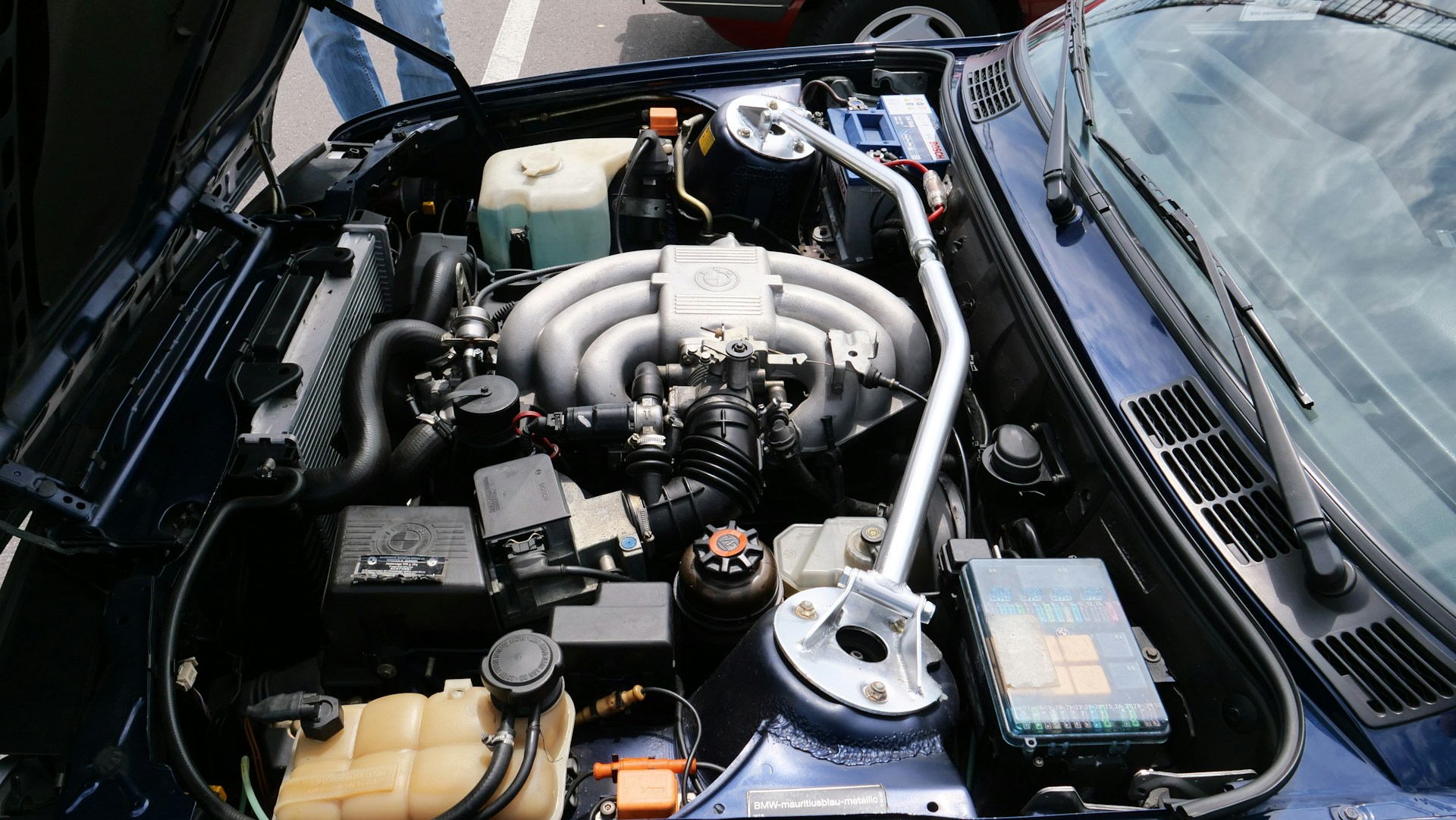
When your car needs a part replaced, buying new isn’t always the best or most affordable option. Many drivers in Houston turn to a used car parts dealer for help keeping their vehicle running. That makes sense. But getting a cheaper part should still come with clear communication. A trustworthy dealer doesn’t just pull a part off a shelf and call it good. There’s a real responsibility to explain the part’s background, condition, and fit.
We’ve seen how the smallest detail can make a big difference during a repair. That’s why knowing what a dealer should tell you matters. If you’re not sure what to ask, or what should just be offered up front, this guide will walk you through it. Clear answers can save a lot of time and prevent repeat visits to the shop.
Every used part has a story. It isn’t just about how it looks today. Where it came from and how it was handled before it reached you can make or break how reliable it ends up being.
If the car was in a front-end collision and you’re buying a fan assembly or radiator, there could be hidden damage that isn’t obvious at first glance. That’s especially important in a place like Houston, where long daily commutes can quickly test the condition of a delicate part.
You also need to know how the part was stored. Houston’s heat and humidity can do a number on electrical connectors and rubber seals. If a part sat outside through a summer without protection, it might look okay at first but fail quickly after it’s installed.
Not every used part is ready to work straight out of storage. A good used car parts dealer puts effort into checking parts before they’re put on the shelf. That’s not just for peace of mind. It saves everyone time.
Something as simple as plugging in a sensor to check function or cleaning corrosion from a terminal can go a long way. If a seller can’t tell you anything about these steps, you’re taking more of a risk with that part.
Parts that haven’t been tested may still work, but the odds of problems go up. For example, with electronic items, even a bit of moisture can cause erratic behavior. Spring is a common time for people to fix up their cars after winter rain and cold. We see more people in March asking about engine sensors or body controllers. This is when it helps to know whether a part’s already been checked.
We can’t count how many times we’ve seen someone buy a part that seemed “close enough,” only to have it cause problems. With auto parts, a slight mismatch can lead to poor function, a dashboard light, or even more damage.
This matters more than people expect. A 2015 and 2016 version of the same car might look nearly identical but use different parts inside. If you’re buying without checking the part number against your existing component, it’s a gamble.
Dealers should help you double-check compatibility. Some even use fitment databases that match parts with vehicle specs. That’s not extra, it’s necessary. Because the real goal is to not have to come back in a week asking for a return.
Before handing over your money, you need to know what happens if the part doesn’t fit or work right. Don’t wait until after you install it to ask about returns.
Some parts just don’t work out, even when everything’s done right. Maybe your mechanic finds a hidden issue. Maybe something else was causing the problem. Either way, you should be allowed to return it, within reason.
If the seller avoids questions about returns or gives you unclear terms, that’s a warning sign. You don’t want to be stuck with a non-working part and no way to get your money back.
Most used car parts dealers want to do the right thing, but it’s not rare to run into someone who’s rushing the sale or not giving straight answers. If something feels off, trust your gut.
Spring can bring a wave of repairs as people prep for road trips or clean up from colder weather. That’s often when we see sellers trying to push inventory fast. Don’t let that pressure keep you from asking important questions.
Good service means taking the time to answer you clearly. It’s not about rushing people out the door. If someone talks fast, skips explanations, or gives half-answers, that’s a reason to slow down.
The more a used car parts dealer is willing to tell you, the better off you’ll be during the repair process. You’re not just buying a part. You’re relying on someone to give you something that fits and works the way it should.
When the dealer gives straight answers about storage, testing, and history, your odds of a smooth repair go up. Clear questions lead to confident choices. We’ve seen how much easier repairs can go when people know what they’re getting from the start.
Whether you’re fixing a small issue or something more serious, good answers now mean fewer headaches later. A little clarity goes a long way toward keeping your vehicle on the road.
At Airline Auto Parts, we believe drivers deserve clear answers when shopping for reliable parts. Whether you’re fixing something simple or sorting through a larger repair, it helps to work with a used car parts dealer that’s upfront about part history, testing, and fit. Our inventory is updated regularly, and we’re always here to help you match the right part to your vehicle. Helping people in Houston, Texas, find dependable solutions is what we do every day. Give us a call and let’s get your car fixed right the first time.

September 15, 2026 Questioning Houston Auto Parts Salvage f...

When a Salvage Yard in Houston Becomes t...
September 9, 2026 Diesel Transmission Choices Houston Driv...
DIY-Friendly Repairs Using Used Truck Pa...
Questions Houston Drivers Should Ask Aft...

Salvage Yard vs Online Marketplace: Chec...
August 23, 2026 Questioning Used Truck Parts Houston Dri...
Choosing Passenger Diesel Engines from H...

August 16, 2026 Decoding Used Mercedes Parts Houston Dri...
Managing Diesel Transmission Swaps with ...