.png)

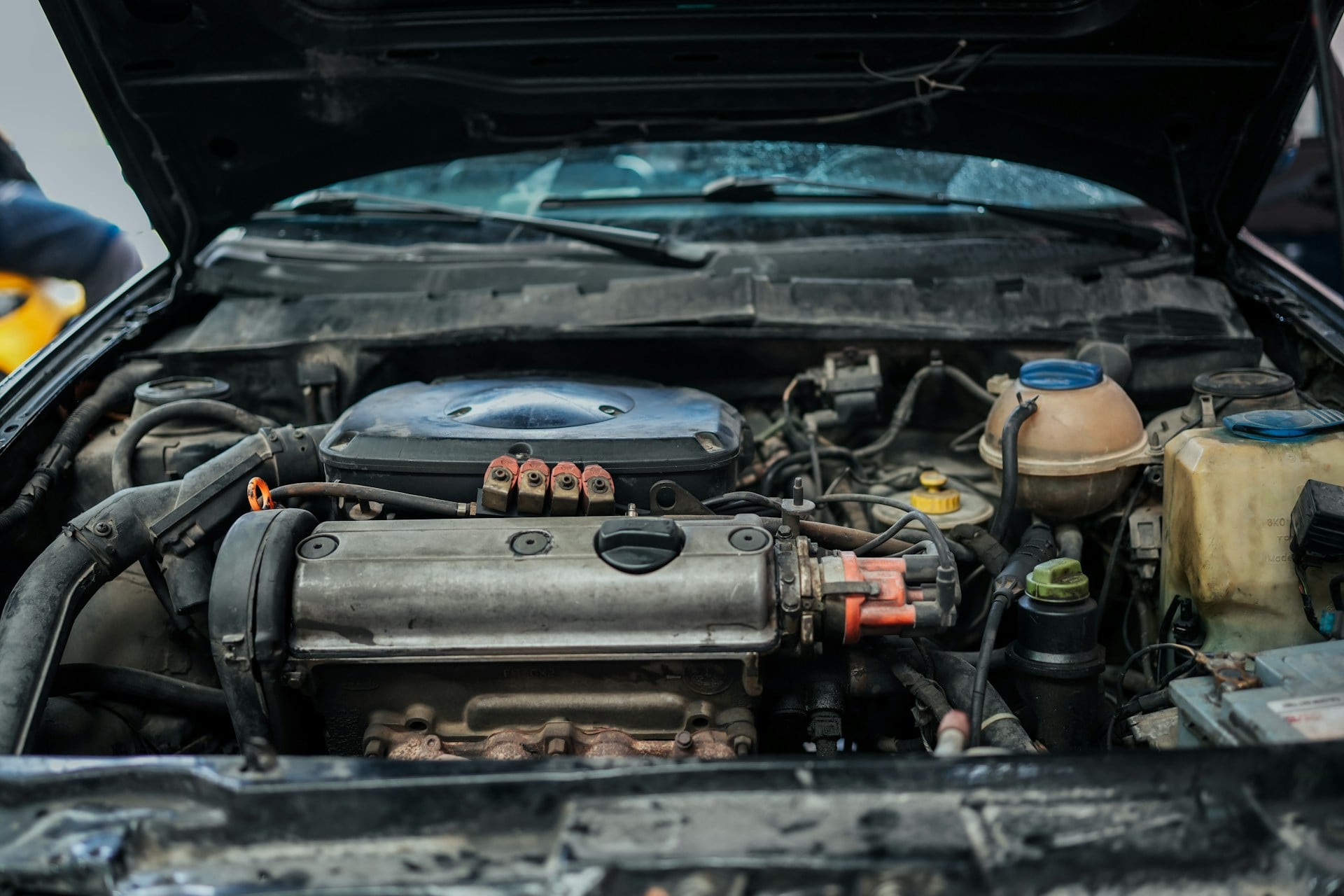
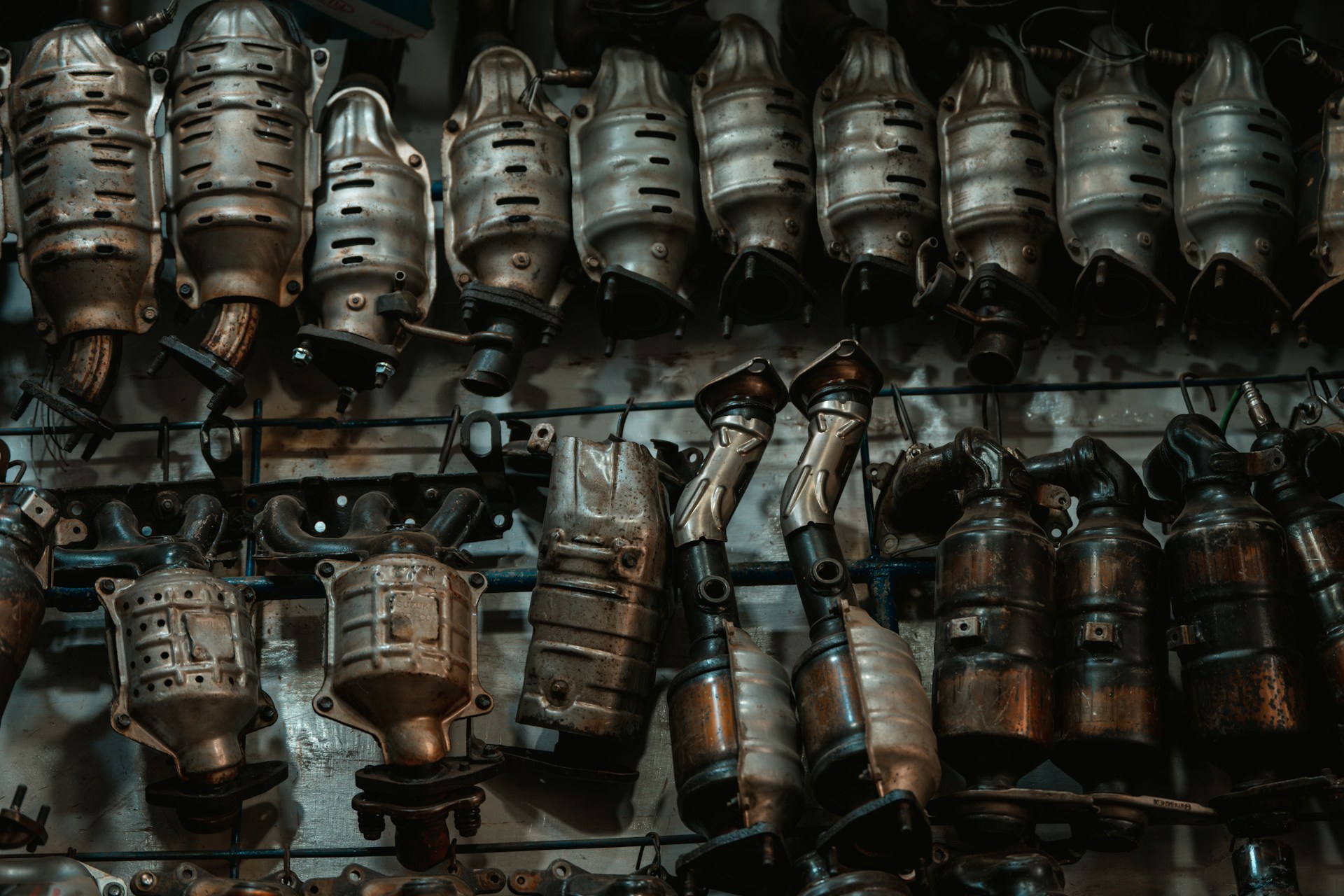
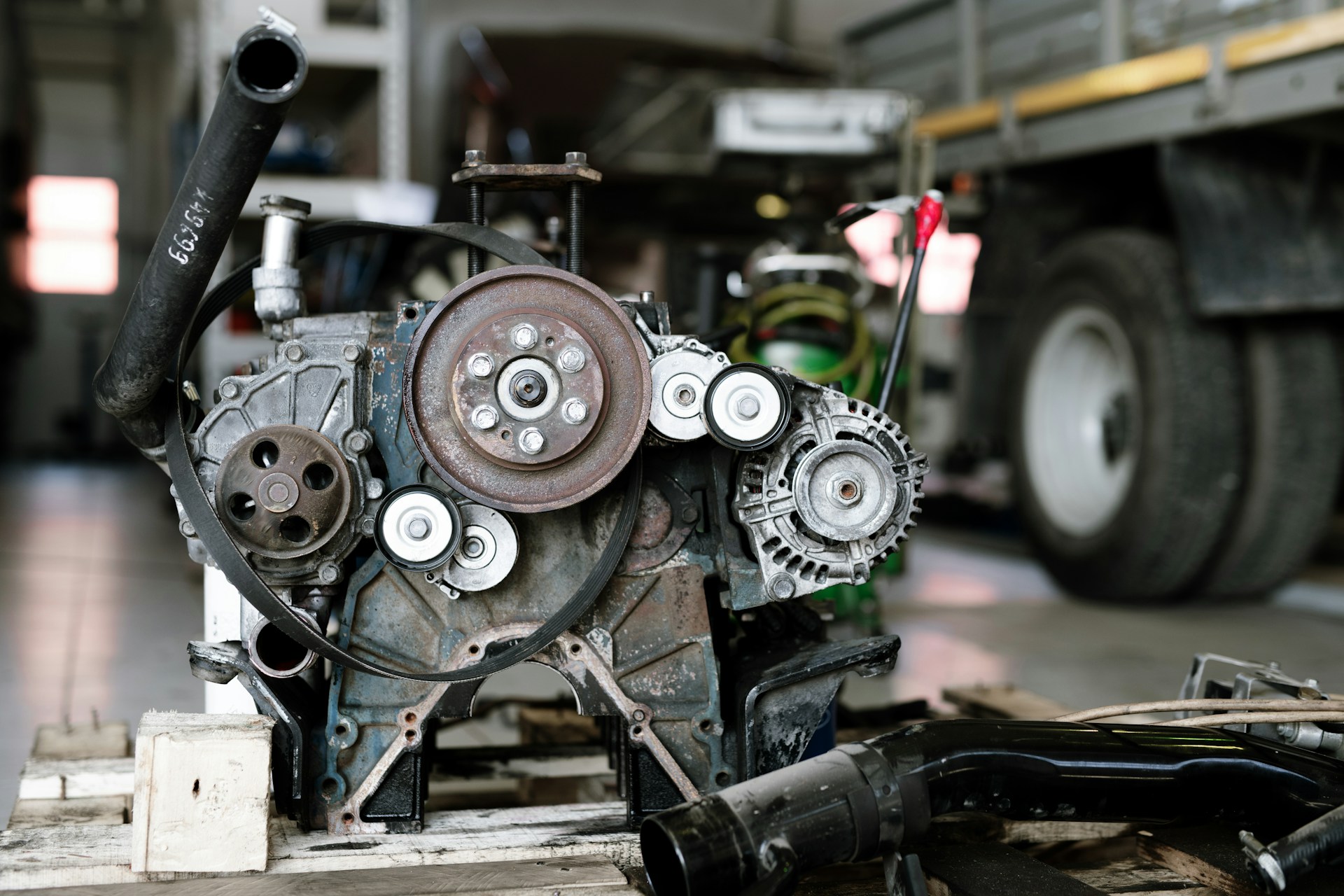
Spring is a great time to inspect the parts you’ve collected for your car, especially if they came from a salvage yard. After pulling components, many drivers don’t clean them right away, but it’s smart to take care of them before installation. Dirty or greasy salvage parts can wear out faster, slip during assembly, or cause performance hiccups down the line.
We’ve noticed that as temperatures rise in Houston, Texas, more car owners are taking the time to wipe away rust, grime, or oil buildup before installing their parts. Knowing how to clean safely at home not only brings better results but keeps your workspace cleaner and helps you spot damage early. If you’re working with salvage car parts in Houston this spring, here’s what to know before firing up the hose or grabbing a wire brush.
Every part is different, and materials matter more than you might expect. Before you begin cleaning anything, check what it’s made of.
Electrical parts should never be cleaned like regular mechanical ones. Wipe them gently with a soft, barely damp cloth or use compressed air to get into crevices. If you’re not totally sure what the part should look like when clean, search for a reference image so you don’t damage something by over-scrubbing.
Cleaning outside is a good option as long as the weather is clear and it’s not too windy. Spring in Houston brings warmer days, so avoid working outside during peak heat. A covered carport or garage with windows open works best for airflow.
You don’t need anything special to clean salvage parts. Here’s a short list of what helps:
Designating one area for cleaning helps keep grease and chemicals away from the rest of your garage or driveway.
Every part should be handled based on its use and condition, but most follow the same general process.
The goal is a part that’s clean enough for handling and installation, not a showpiece. Stop once the surface stops producing dirt and looks free of buildup.
It’s tempting to grab the strongest cleaner you’ve got, especially if the part looks beyond dirty. But that can cause more harm than you might think.
Avoid these when working on salvage car parts:
If you’re unsure, test a tiny corner of the part first to see how it reacts before going all in.
Once your parts are scrubbed and fully dry, keep them away from moisture and sunlight. Both will shorten the life of rubber, fade plastic, or cause rust to return.
Storage is often where things go sideways for people. Here’s how we handle it:
If you’re keeping parts in the garage, raise them up off the floor to avoid puddles or insects. Clear bins make it easier to find what you need next time.
We’ve seen over and over again how much smoother an installation is when the parts are clean and dry ahead of time. Greasy, oily components are harder to align and will often need retightening because nothing grips quite right. It takes more time upfront, but cleaning combined with proper storage often prevents bigger problems later.
Spring weather in Houston brings more moisture in the air, so it doesn’t take long for metal parts to start showing rust again. Even after drying, give parts a light wipe now and then before use. Keeping up with this small habit keeps your workspace cleaner, your tools safer, and your parts ready when you need them.
Keep your projects on track and ensure smooth installations by exploring quality salvage car parts in Houston. At Airline Auto Parts, we’re dedicated to providing you with reliable components for every repair. Don’t let unclean parts slow you down—check out our selection of salvage car parts in Houston to handle your next project with confidence. Get in touch if you need assistance finding the right fit for your vehicle!
September 15, 2026 Questioning Houston Auto Parts Salvage f...

When a Salvage Yard in Houston Becomes t...
September 9, 2026 Diesel Transmission Choices Houston Driv...
DIY-Friendly Repairs Using Used Truck Pa...
Questions Houston Drivers Should Ask Aft...

Salvage Yard vs Online Marketplace: Chec...
August 23, 2026 Questioning Used Truck Parts Houston Dri...
Choosing Passenger Diesel Engines from H...

August 16, 2026 Decoding Used Mercedes Parts Houston Dri...
Managing Diesel Transmission Swaps with ...