The Common Signs of a Failing Brake Light Switch

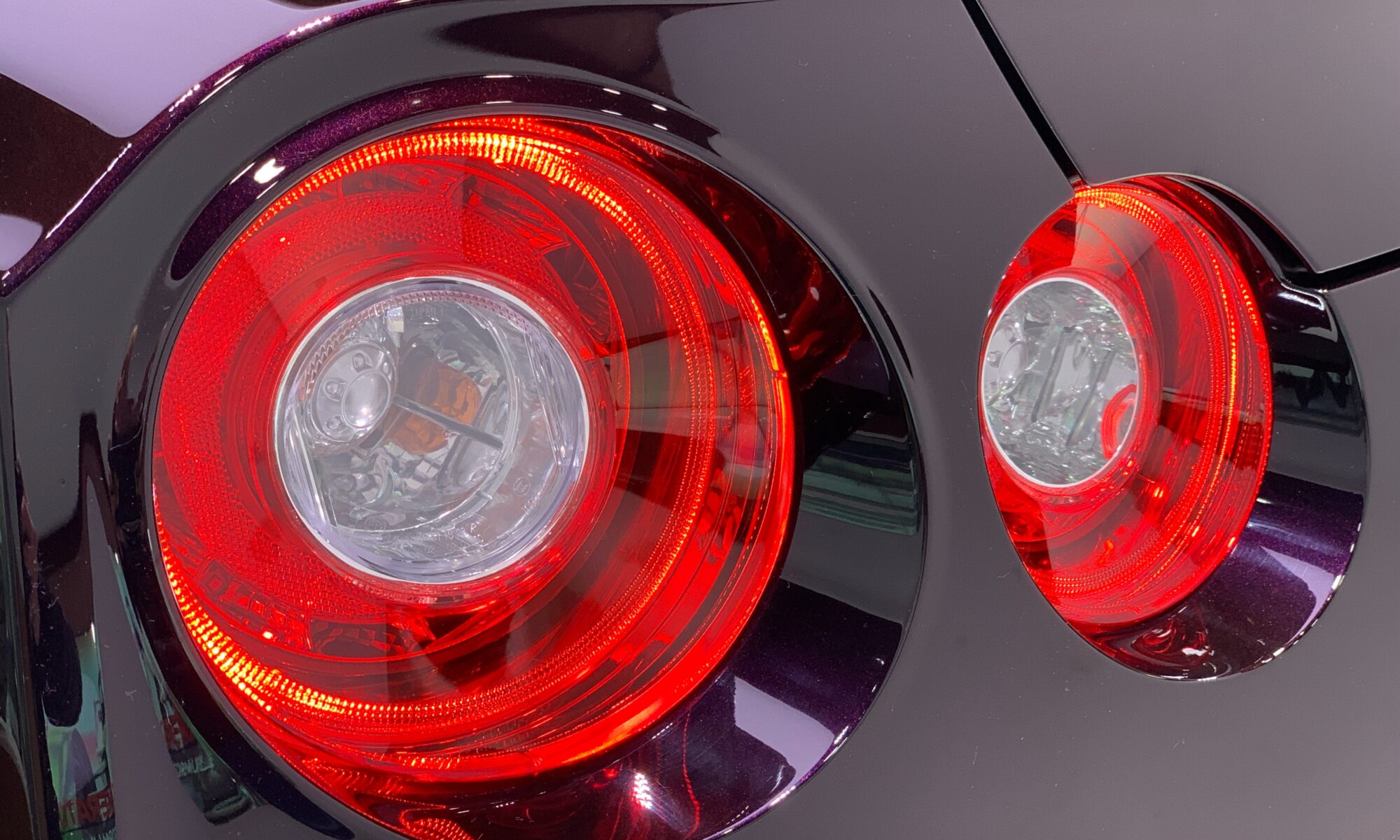
brake lights

Driving is an activity that requires the utmost attention and care. One of the critical components of a vehicle is its brake system. The brake system is a vital safety feature that helps to slow down or stop the vehicle. The brake light switch is an essential part of the brake system. It is responsible for activating the brake lights when the brake pedal is pressed. A failing brake light switch can cause serious safety issues, making it essential to identify and replace it. In this blog post, we will discuss the common signs of a failing brake light switch.

What is a Brake Light Switch?

A brake light switch is a small device located behind the brake pedal of a vehicle. It is responsible for turning on the brake lights when the brake pedal is pressed. The switch is designed to complete an electrical circuit that illuminates the brake lights when a driver applies the brakes. When the brake pedal is released, the switch returns to its original position, breaking the circuit and turning off the brake lights.

Common Signs of a Failing Brake Light Switch

1. Brake Lights Stay On

One of the most common signs of a failing brake light switch is the brake lights staying on even when the brake pedal is not pressed. This can be a significant safety issue as it can confuse other drivers on the road. It can also drain the battery of the vehicle, leading to other problems.

2. Brake Lights Do Not Turn On

Another common sign of a failing brake light switch is the brake lights not turning on when the brake pedal is pressed. This can be a severe safety issue, as other drivers on the road may not know when the vehicle is slowing down or stopping. This can lead to accidents and other safety hazards.

3. Inability to Shift Gears

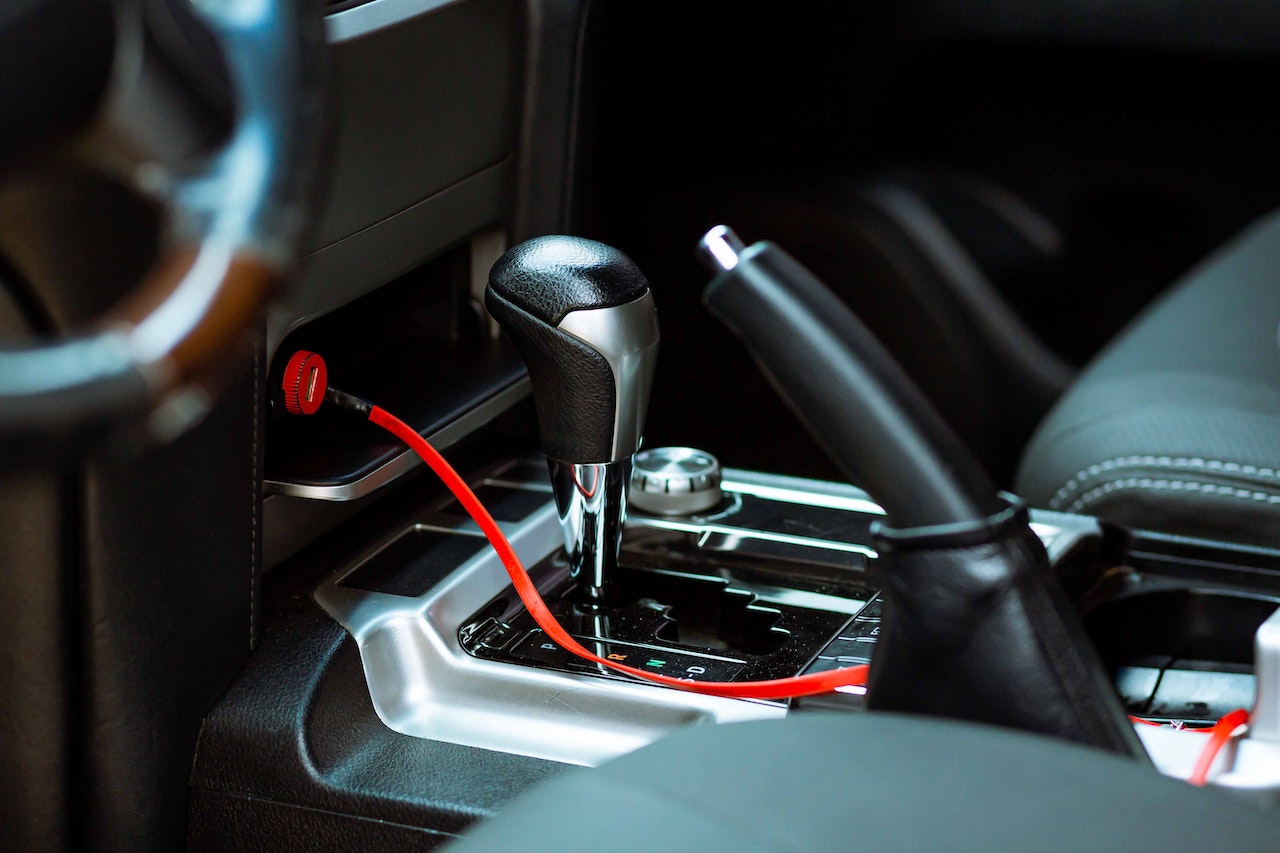
The brake light switch is also responsible for activating the shift interlock system, which prevents the driver from shifting out of park without pressing the brake pedal. If the brake light switch fails, the shift interlock system may not work correctly, making it impossible to shift gears.

4. Cruise Control Not Working

The brake light switch is also responsible for deactivating the cruise control system when the brake pedal is pressed. If the switch is failing, the cruise control system may not work correctly, leading to unsafe driving conditions.

5. Brake Lights Flicker

Another sign of a failing brake light switch is the brake lights flickering when the brake pedal is pressed. This could be caused by a loose or damaged switch, which can lead to safety hazards on the road.

6. Brake Light Switch Feels Loose

If the brake light switch feels loose or moves around when the brake pedal is pressed, it could be a sign of a failing switch. A loose switch can cause the brake lights to turn on and off intermittently, which can be distracting to other drivers on the road.

Conclusion

A failing brake light switch can cause serious safety hazards on the road. It is essential to identify and replace a failing switch immediately to ensure safe driving conditions. The signs of a failing brake light switch include brake lights staying on, brake lights not turning on, inability to shift gears, cruise control not working, brake lights flickering, and the switch feeling loose. If you notice any of these signs, it is essential to replace the brake light switch as soon as possible.

Trust Airline Auto Parts for all your auto parts needs in Houston, Texas! Our reputation as a leading supplier of high-quality, recycled automotive parts has been built over years of dedicated service to both professional mechanics and retail customers. At our industry-leading facility, we offer a vast inventory of parts for all types of vehicles, ensuring that you can find exactly what you need to keep your car running smoothly. Contact us today to learn more about our selection and how we can help you with all your Houston auto parts salvage needs!

Front and Rear Bumper: When and Why You Must Replace Them

car bumpers

Bumpers are an essential part of your vehicle that enhances its aesthetics and plays a vital role in establishing your safety on the road. Designed to absorb and disperse the impact during a collision, bumpers help protect your vehicle’s critical components, passengers, and pedestrians. 

This blog post will see the importance of front and rear bumpers when to consider replacing or upgrading these car parts, and the benefits. 

The Importance of Front and Rear Bumpers

The primary function of bumpers is to absorb the impact during collisions and minimize the damage to the vehicle and its occupants. Front and rear bumpers are designed to deform and crumple in a controlled manner, dissipating the energy from the impact and protecting the vehicle’s engine, frame, and other critical components. Additionally, bumpers help reduce the risk of injury to pedestrians by providing a cushioning effect during an accident.

Apart from their functional role, bumpers also contribute to the aesthetic appeal of your vehicle. These car parts add style and personality, making your car stand out. Moreover, bumpers can be customized to suit your preferences, allowing you to make a statement with your vehicle’s appearance.

When to Consider Upgrading or Replacing Your Bumpers

  1. Damaged Bumpers: If your bumpers have been damaged in an accident, it is crucial to repair or replace them immediately. Damaged bumpers cannot provide the necessary protection during a collision, putting you and your passengers at risk. Moreover, damaged bumpers can lead to other issues, such as misaligned headlights or reduced fuel efficiency due to increased drag.
  2. Cosmetic Upgrades: If you want to give your vehicle a new look or enhance its style quotient, upgrading the front and rear bumpers is an excellent way. Various aftermarket bumpers offer various designs, materials, and finishes that can transform your vehicle’s appearance.
  3. Off-Roading: If you frequently venture off-road, consider upgrading to heavy-duty bumpers designed to withstand the harsh conditions and obstacles encountered during off-roading. These bumpers are more robust and protect your vehicle’s critical components, such as the radiator, engine, and suspension system.
  4. Towing and Hauling: If you use your vehicle for towing or hauling, upgrading to a heavy-duty rear bumper with an integrated trailer hitch receiver can provide the necessary strength and support for your towing needs. These bumpers also often come with additional features such as built-in steps, D-ring mounts, or lighting options, making them more functional and versatile.

Benefits of Upgrading or Replacing Front and Rear Bumpers

  1. Enhanced Safety: Upgrading or replacing your bumpers can significantly improve your vehicle’s safety, providing better protection during collisions and reducing the risk of injuries to the occupants and pedestrians.
  2. Improved Aesthetics: New bumpers can give your vehicle a fresh look and enhance its overall appearance. Customization car parts options allow you to express your style and personality through your vehicle’s design.
  3. Increased Resale Value: A well-maintained vehicle with upgraded or replaced bumpers is likelier to fetch a higher resale value, demonstrating that the owner has taken good care of the car and invested in its maintenance.
  4. Better Off-Road and Towing Performance: Heavy-duty bumpers designed for off-roading and towing can significantly improve your vehicle’s performance in these situations, providing the necessary strength, support, and protection required for such tasks.

Conclusion

Front and rear bumpers play a crucial role in ensuring your safety on the road while adding an aesthetic appeal to your vehicle. Upgrading or replacing damaged or outdated bumpers can significantly enhance your vehicle’s safety, performance, and appearance. Whether you want to improve your car’s look, venture off-road, or tow heavy loads, investing in high-quality front and rear bumpers is wise!

Airline Auto Parts has successfully established itself as a reputable and reliable source of recycled automotive parts in Houston, catering to auto repair facilities and retail customers seeking a dependable salvage yard. Our company has built a solid foundation by prioritizing honesty, trust, and dependability, earning it a distinguished position for trusted and eco-friendly automotive solutions. Contact us today to ensure a satisfactory and hassle-free experience in upgrading your car parts in Houston, TX.

How You Can Extend Your Car Parts’ Lifespan

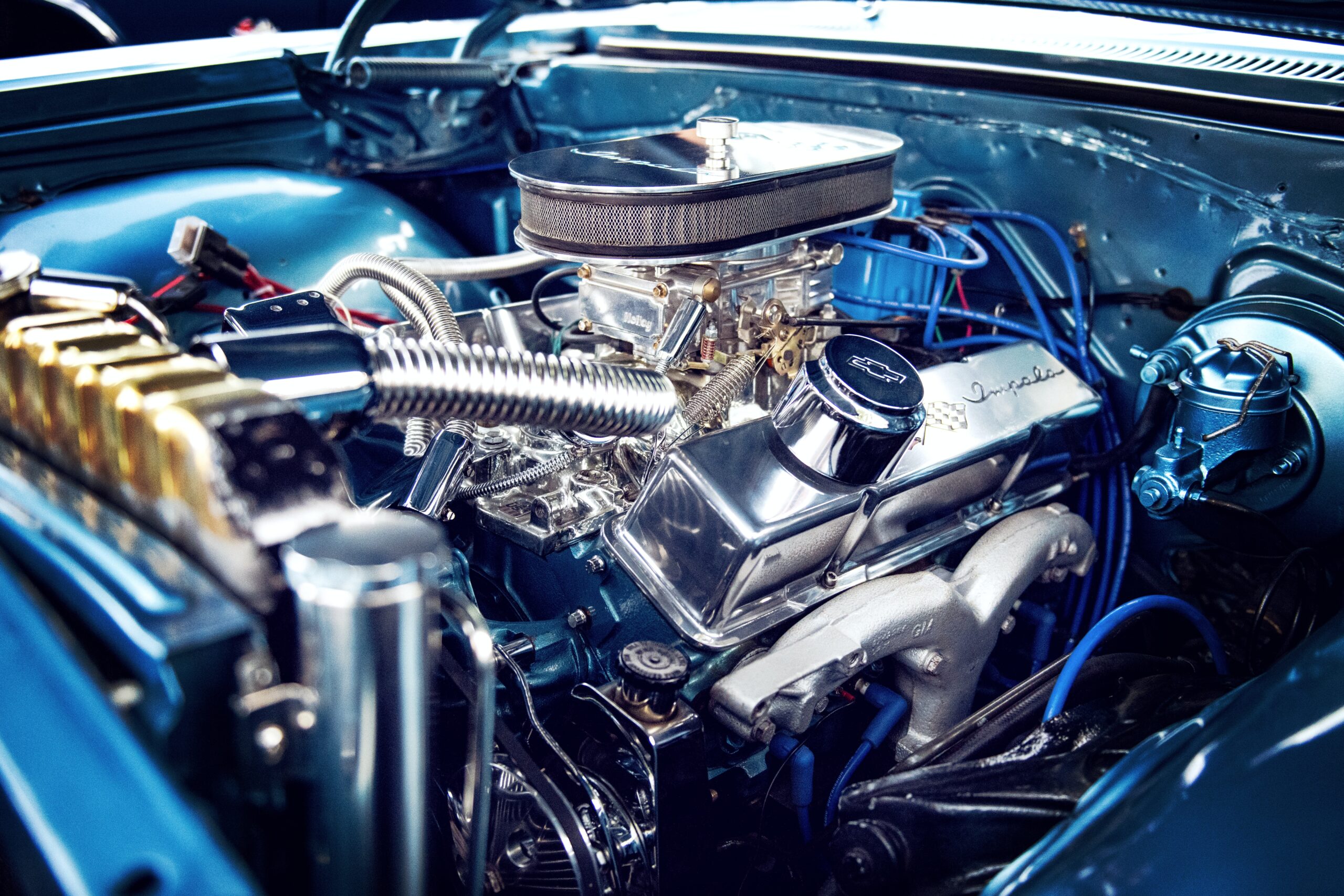
Car Parts

As a car owner, you know the importance of keeping your vehicle in shape. Regular maintenance is necessary to ensure that your car runs smoothly and efficiently. However, did you know that proper maintenance can also extend the lifespan of your car parts? By taking care of your vehicle, you can save money and prevent the hassle of frequent repairs. In this article from Airline Auto Parts of Houston, TX, we’ll provide some maintenance tips to help you extend the lifespan of your car parts.

Regular Oil Changes 

Regular oil changes are among the most essential maintenance tasks. The oil in your car lubricates the engine, preventing wear and tear on moving parts. Over time, the oil can be dirty and lose its effectiveness. Scheduled oil changes ensure that your engine is lubricated correctly and reduce the risk of damage to your car parts.

Check Your Filters 

Your car has several filters that help keep the engine running smoothly. The air filter, for example, prevents dirt and debris from entering the engine. The oil filter removes contaminants from the oil. Over time, these filters can get clogged and fail to do their job. It’s important to check your filters regularly and replace them when necessary to ensure your engine runs at its best.

Check Your Tires 

Your tires are one of the most critical components of your car. They provide traction, absorb shock, and help you maintain control of your vehicle. It’s important to check tire pressure regularly and ensure your tires are properly inflated. Underinflated tires can lead to excessive wear and tear on your car parts and reduce fuel efficiency.

Brake Maintenance 

Your brakes are an essential safety feature of your vehicle. It’s important to get them checked regularly to ensure they are in good working order. Worn brake pads can result in damage to your rotors and reduce stopping power. Regular brake maintenance can prevent costly repairs and ensure you and your passengers are safe.

Fluid Levels 

Your car has several different fluids that help keep it running smoothly, including coolant, transmission fluid, and brake fluid. It’s important to check these fluid levels regularly and top them off when necessary. Low fluid levels can damage your car parts and reduce performance.

Drive with Care 

The way you drive can also have an impact on the lifespan of your car parts. Aggressive driving can cause excessive wear and tear on your engine, brakes, and tires. It’s important to drive with care and avoid sudden stops and starts. This can extend the lifespan of your car parts and reduce the risk of costly repairs.

Regular Maintenance 

Finally, you must perform regular maintenance on your vehicle. This includes oil changes, tire rotations, and brake inspections. Regular maintenance can help identify potential problems before they become major issues. It can also help keep your car running smoothly and efficiently.

Conclusion

Proper maintenance is needed to extend the lifespan of your car parts. Regular oil changes, checking your filters, maintaining proper tire pressure, brake maintenance, checking fluid levels, driving with care, and performing regular maintenance are all important steps to keep your car running smoothly. By taking care of your vehicle, you can save money and avoid costly repairs. As Airline Auto Parts in Houston, Texas, says, an ounce of prevention is worth a pound of cure when it comes to car maintenance.

Initially a modest local junkyard, Airline Auto Parts has grown into an advanced auto facility that serves not only the Greater Houston area but also nationwide. Airline’s strong foundation of honesty, trust, and dependability has made it a go-to source for numerous auto repair facilities and retail customers seeking a reliable salvage yard. Check out our available used auto parts today!

Building a Dream Car: How to Spot a Good Project Car

project car

For many car enthusiasts, the joy of owning a vehicle isn’t just about driving it; it’s about personalizing it, upgrading it, and making it truly unique. In the world of late-model cars, countless options for customization and improvements can turn a stock vehicle into a head-turning, high-performance machine. But what exactly makes a good project car? 

In this article, we’ll explore the key factors that make a vehicle an ideal candidate for a fun and rewarding project.

1. Affordability

The first factor to consider when choosing a project car is affordability. Late-model vehicles are generally more affordable than their vintage counterparts, making them more accessible to a wider range of enthusiasts. 

Look for cars with a lower initial purchase price and reasonable parts and maintenance costs. This will allow you to invest more in the upgrades and modifications that will set your project car apart.

2. Availability of Parts

A good project car should have a wide range of aftermarket parts and accessories. This allows for greater customization options and makes it easier to source replacement parts if something goes wrong. 

Older vehicles often have a wealth of aftermarket support, with many manufacturers and retailers offering everything from performance parts to cosmetic upgrades. A strong aftermarket presence also means that you’ll be able to find advice and resources to help guide you through the modification process.

3. Platform Versatility

The best project cars are versatile platforms that can be adapted to suit various purposes. This may include track-focused performance upgrades, off-road capabilities, or luxury amenities. 

Thanks to automotive technology and design advancements, late-model vehicles are often more adaptable than their vintage counterparts. When choosing a project car, consider your end goal and look for a platform to accommodate those needs.

4. Potential for Performance Upgrades

One of the main reasons enthusiasts choose to modify their vehicles is to improve performance. A good project car should offer plenty of opportunities for performance upgrades, whether increasing horsepower, improving handling, or upgrading braking capabilities. 

Old cars often come with more advanced powertrains and suspension systems than older cars, providing a solid foundation for further enhancements.

5. Ease of Modification

Some vehicles are easier to modify than others, making them more attractive options for a project car. 

Factors such as engine and suspension design, ease of access to components, and available space for upgrades can all impact how easy it is to work on a particular vehicle. Older cars often benefit from modern engineering and design techniques, which can make them more user-friendly when it comes to modifications.

6. Community Support

A strong community of fellow enthusiasts can be a valuable resource when embarking on a project car journey. Older vehicles often have dedicated online forums, social media groups, and even local clubs where you can find advice, inspiration, and camaraderie. 

Having access to a community of like-minded individuals can make modifying your car more enjoyable and help you overcome any challenges that may arise along the way.

7. Potential for Resale Value

While modifying a car is often a labor of love, it’s worth considering the potential resale value of your project car. Late-model vehicles that have been tastefully modified and well-maintained can sometimes fetch a higher price than their stock counterparts. If you’re considering selling your project car, choose a platform with a strong following that will likely retain its value.

Conclusion

In the world of project cars, the possibilities are nearly endless. By considering factors such as affordability, parts availability, platform versatility, performance upgrade potential, ease of modification, community support, and resale value, you can find the perfect vehicle to make your automotive dreams a reality. 

So, get out there, start searching, and embark on an exciting journey of personalizing your very own project car!

For car parts in Houston, we can help you! Airline Auto Parts is a sophisticated auto recycling facility. We are also a major supplier of recycled automotive parts in the Houston area. So, get started on your project car by securing all the right parts! Contact us today and find what you’re looking for!

6 Ways to Know Your Car’s Manufacturing & Production Date

honda

When purchasing a car, it is important to know the manufacturing and production date. This information can help you determine the car’s model year, maintenance schedule, and even resale value. However, finding this information can be a challenge, especially if you do not have access to the car’s original paperwork. 

Read on as we explore the top six ways to unlock the mystery and finally know your car’s manufacturing and production date.

Check the Door Jamb

One of the easiest ways to find your car’s manufacturing and production date is to check the door jamb. This is the area where the driver’s side door latches to the frame of the car. Look for a sticker or plate that contains information about the car’s production date. This sticker may also include information about the car’s manufacturer, model, and other important details.

Use the Vehicle Identification Number (VIN)

Another way to find your car’s manufacturing and production date is to use the Vehicle Identification Number (VIN). The VIN is a unique code that is assigned to every car. It contains information about the car’s manufacturer, model, and production date. You can find the VIN in several places, including on the dashboard, on the driver’s side door jamb, and on the engine block.

Decode the VIN

Once you have located the VIN, you can decode it to find the manufacturing and production date. The VIN is made up of 17 characters, each of which represents a different piece of information about the car. The tenth character is the one that tells you the model year. For example, if the tenth character is “A,” the car was manufactured in 1980. If the tenth character is “B,” the car was manufactured in 1981. You can use an online VIN decoder to help you decode the VIN and find the manufacturing and production date.

Check the Owner’s Manual

If you have the owner’s manual for your car, you may be able to find the manufacturing and production date inside. Look for a section that discusses the car’s specifications or features. This section may include information about the car’s model year and production date.

Contact the Manufacturer

If you are still having trouble finding your car’s manufacturing and production date, you can contact the manufacturer directly. Most manufacturers have customer service departments that can help you locate this information. You will need to provide the manufacturer with the car’s VIN or other identifying information to help them locate the production date.

Visit a Dealership

Another option is to visit a dealership that sells the same make and model of car as yours. The dealership may have access to information about the car’s production date, especially if the car was purchased new from that dealership. You can also ask the dealership to provide you with a maintenance schedule for your car based on its production date.

Conclusion

Finding your car’s manufacturing and production date is an important step in understanding the history of your vehicle. This information can help you determine the car’s model year, maintenance schedule, and even resale value. By using one or more of the methods outlined in this article, you can easily locate your car’s production date and ensure that you have all the information you need to maintain and care for your car properly.

Are you looking to buy auto parts in Houston, Texas? Airline Auto Parts is an auto recycling facility where customers can find quality automotive parts in a sustainable manner. Buy from us today!

All You Need to Know about the Powertrain Control Module

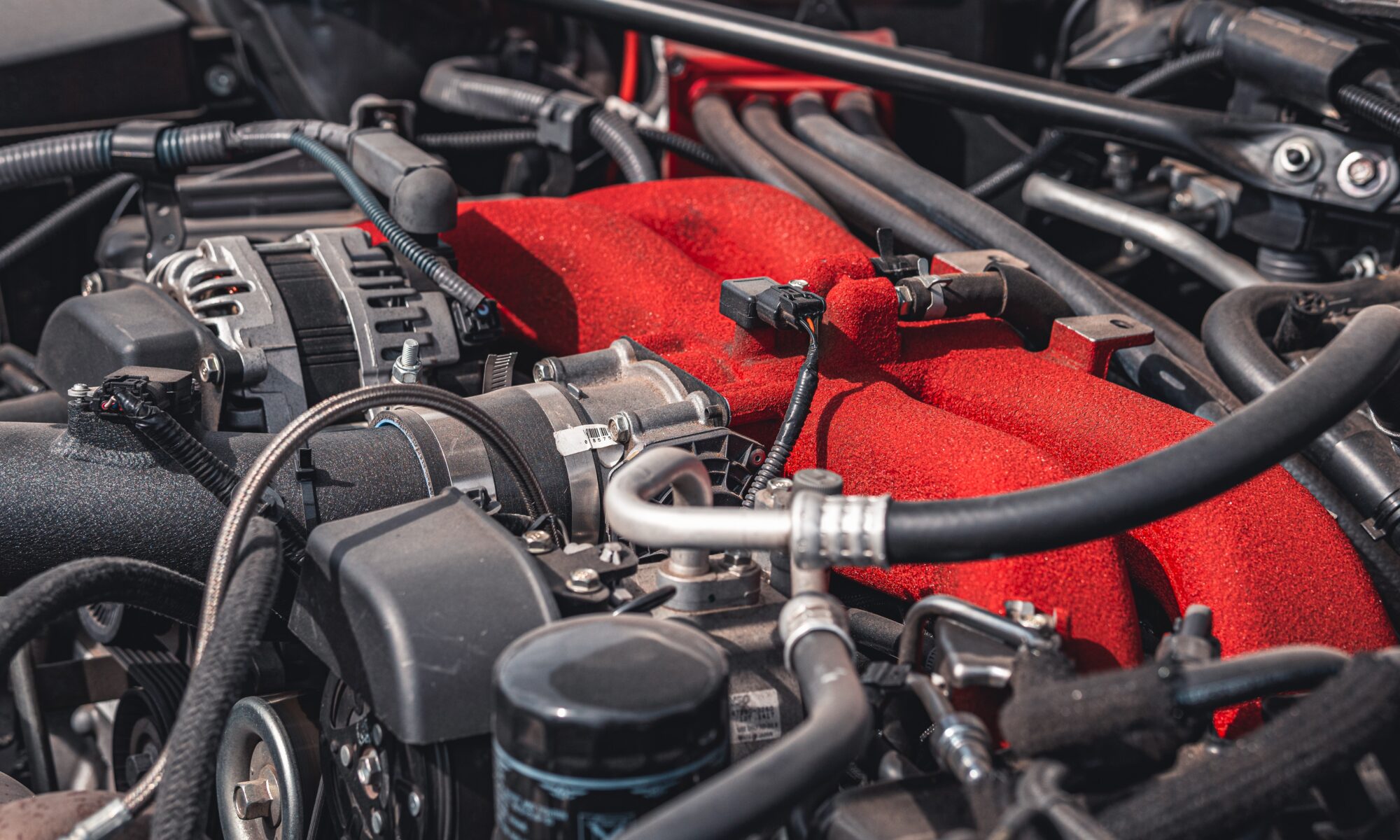
Powertrain Control Module

As technology has advanced, so has the complexity of the vehicles we drive. Gone are the days of simple mechanical systems that could be easily repaired with a few tools and some know-how. Today’s vehicles are highly advanced machines that utilize various computer systems to control everything from the engine to the transmission to the entertainment system.

One of the most critical computer systems in any modern vehicle is the Powertrain Control Module (PCM). The PCM is responsible for controlling the vehicle’s powertrain, which includes the engine and the transmission. In a way, it’s like the vehicle’s brain controlling and monitoring various systems to ensure optimal performance, efficiency, and emissions. Few people know how it works, so we will discuss the details in this article.

What Is the Powertrain Control Module?

The PCM is an electronic control unit in the vehicle’s engine compartment that controls various systems related to the powertrain, including the engine, transmission, and emissions. The PCM receives input from multiple sensors throughout the vehicle, including the oxygen sensor, throttle position sensor, and temperature sensor. Based on this input, it adjusts the engine and transmission to ensure optimal performance.

The PCM performs the following tasks:

Ignition Timing

One of the most critical tasks that the Powertrain Control Module performs is controlling the engine’s ignition timing. Ignition timing refers to when the spark plugs ignite the fuel-air mixture in the engine’s cylinders. This timing is critical to the engine’s performance, as it determines how efficiently the fuel is burned and how much power is produced.

The PCM adjusts the ignition timing based on several factors, including engine speed, load, and temperature. It uses input from sensors such as the crankshaft position sensor and the camshaft position sensor to determine the engine’s current state and adjust the timing accordingly.

Air-to-Fuel Ratio

Another important task that the PCM performs is controlling the air-to-fuel ratio in the engine. The air-to-fuel ratio is the amount of air and fuel mixed in the engine’s cylinders. The ideal ratio for combustion is around 14.7 parts air to 1 part fuel, known as a stoichiometric ratio.

The PCM uses input from sensors such as the oxygen and mass airflow sensors to determine the engine’s current air-to-fuel ratio and adjust it as necessary. This allows the engine to run efficiently and produce optimal power while minimizing emissions.

Idle Speed

Idle speed refers to the rate at which the engine runs when the vehicle is stationary, and the accelerator pedal is not pressed. The PCM controls the engine’s speed through an idle air control valve (IACV). The IACV regulates the amount of air allowed into the engine when the throttle is closed, affecting the engine’s idle speed.

The PCM monitors various inputs, including engine temperature, engine load, and sensor readings, to determine the optimal idle speed for the engine. The IACV is adjusted to maintain that speed, ensuring smooth and stable operation while the vehicle stands. If there is a problem with the IACV or other components involved in idle speed control, the PCM may trigger a warning light and store a diagnostic trouble code to help identify the issue.

Error Monitoring

Error monitoring is precisely what it sounds like: detecting and identifying errors or malfunctions in a system or device. In automotive technology, error monitoring is often performed by the vehicle’s onboard diagnostic system, designed to detect and report faults related to the engine, transmission, emissions control system, and other critical components.

Alternatives to the PCM

If a vehicle cannot have PCM, the following options are available:

Engine Control Unit

The Engine Control Unit (ECU) is an electronic module responsible for controlling many aspects of a vehicle’s engine, including fuel injection, ignition timing, and idle speed. It is similar to the PCM in that it uses sensors to monitor engine performance and make adjustments as needed. However, it’s typically used in older vehicles that do not have a PCM’s more advanced diagnostic capabilities.

The ECU receives input from various sensors throughout the engine, such as the oxygen sensor, throttle position sensor, and manifold absolute pressure sensor. This input determines the optimal fuel-to-air ratio and ignition timing for the engine at any given moment. It also controls other engine-related functions, such as operating the cooling fan and the charging system.

Engine Control Module

The Engine Control Module (ECM) is another name for the PCM. It is an electronic module that controls many aspects of a vehicle’s engine, including fuel injection, ignition timing, and emissions. It uses sensors to monitor engine performance and adjust when needed to ensure optimal performance and fuel efficiency.

Transmission Control Module

The Transmission Control Module (TCM) is an electronic module that controls the shifting of gears in an automatic transmission. It receives input from various sensors, such as the vehicle speed and throttle position sensors, to determine the optimal gear for the current driving conditions. It also controls other transmission-related functions, such as the torque converter lock-up and the shift solenoids.

Conclusion

The PCM is a vital component that controls the overall operation of a vehicle’s engine and other systems. While there are other alternatives, they are fundamentally the same in that they monitor and control various sensors and components to ensure proper performance and efficiency. Regular maintenance and timely repairs can prolong the life of the PCM and other related parts, providing a smoother and more reliable driving experience.


Airline Auto Parts has what you need if you’re looking for used auto parts in Houston, TX! We offer various selections of used (but not abused!) parts suitable for late-model vehicles for affordable prices. Call us today at 281 448 2000 to place an order!

From Engine to Axles: Understanding Your Car’s Powertrain

Car Powertrain

Behind every powerful car lies an intricate mechanism that turns fuel into motion – the powertrain. This crucial component consists of the engine, transmission, driveshaft, differential, and axles, all working together to produce the force that drives the wheels. Without the powertrain, a car would be nothing more than a stationary object. But what exactly is the powertrain, and how does it work?

Components of a Powertrain

To understand how a powertrain works, we must take a look at the individual parts that make up this complex system.

Engine

The engine is the heart of the powertrain system, responsible for generating power by burning fuel and air. It produces a rotational force that is used to turn the transmission. The engine’s power output is measured in horsepower and torque, with higher numbers indicating more power. There are various types of engines, including petrol, diesel, and electric, each with its own unique characteristics.

Transmission

The transmission is responsible for controlling the speed and torque of the vehicle. It consists of a series of gears that can be shifted to provide different gear ratios. The transmission allows the engine to operate at its most efficient speed range, reducing fuel consumption and engine wear. The transmission can be either automatic or manual, with each having its benefits and drawbacks.

Driveshaft

The driveshaft is a long shaft that connects the transmission to the differential. It transmits power from the transmission to the differential, which in turn sends power to the wheels. The driveshaft needs to be carefully balanced to prevent vibrations and ensure smooth operation.

Differential

The differential is a component that allows the wheels to rotate at different speeds. It is located between the driveshaft and the axles and is responsible for distributing power to the wheels. The differential is crucial in turning corners, as the outer wheel needs to rotate faster than the inner wheel. There are various types of differentials, including open, limited-slip, and locking, each with its unique benefits and drawbacks.

Axles

The axles are the final component of the powertrain system. They are responsible for transmitting power from the differential to the wheels. The axles also support the weight of the vehicle and provide a smooth ride for the passengers. There are various types of axles, including solid, semi-floating, and full-floating, each with its unique benefits and drawbacks.

Why Is a Powertrain Important?

A powertrain is essential for several reasons, as it is the core system responsible for generating and transmitting power to the vehicle’s wheels, enabling motion and driving. Without a properly functioning powertrain, a vehicle would be unable to move or operate efficiently.

The powertrain system’s different components work together to provide a smooth and efficient driving experience. The engine generates power, the transmission converts this power into usable torque, the differential allows for smooth cornering by enabling wheels to rotate at different speeds, and the axles transmit the power to the wheels.

Additionally, a well-designed powertrain ensures optimal fuel efficiency, reduces emissions, and contributes to the vehicle’s overall performance, reliability, and longevity. As a result, maintaining and understanding the powertrain’s components is vital for drivers to ensure their vehicle’s proper functioning and to avoid potentially costly repairs.

Final Thoughts

So there you have it, the powertrain – a complex and fascinating system that brings your vehicle to life. From the engine’s raw power to the axles’ smooth ride, the powertrain is an essential component that ensures your vehicle runs at its best. Without it, you’d be stuck in the driveway, and nobody wants that. By understanding the powertrain’s components and functions, you can ensure your vehicle operates efficiently, safely, and smoothly. So next time you’re behind the wheel, take a moment to appreciate the powertrain and all it does to keep you moving forward.

Keep your powertrain running efficiently with the help of Airline Auto Parts. We are a sophisticated auto recycling facility that provides a wide range of car parts in Houston. Our extensive inventory and exclusive parts network puts millions of parts at our fingertips. Shop now!

Why Invest in Quality Automotive Customer Service

quality automotive service
Investing in quality automotive customer service is becoming increasingly important for businesses in the automotive industry. With the rise of technology and the ability to access information quickly, customers are becoming more informed and demanding when it comes to their vehicles. Quality customer service is key to providing a positive experience for customers and developing customer loyalty. Here’s why you should invest in quality customer service if you’re in the automotive industry.

Reinforce Brand Loyalty

Good customer service helps create customers who are loyal to your brand. In today’s competitive landscape, businesses must take steps to strengthen customer loyalty to stand out from their competitors. Quality customer service builds trust between customers and a business, as customers know they can rely on the brand for a pleasant customer experience.

Increase Return Customers

Quality customer service creates customers who are willing to return for additional services and products. When customers have an enjoyable experience and feel heard, they are more likely to purchase the same product or service again. In addition, customers may tell their friends and family about the quality services they received, leading to more new customers. For example, suppose a customer is looking for salvage auto parts in Houston, Texas, and they find a store with excellent customer service. They are likely to return to that store for their next purchase, and they may also tell their friends and family about the store’s great service.

Lower Costs

Investing in quality customer service has the potential to decrease costs over time. With repeated customer visits and brand loyalty, businesses can build a steady stream of revenue rather than continuously spending resources to acquire new customers. In addition, customer service can act as a first line of defense against customer complaints and delays in service, leading to fewer costly customer returns.

Increase Operating Efficiency

When customer service is effective, employees can focus on the tasks that truly matter. Quality customer service can decrease the time employees spend dealing with customer complaints and distractions and can allow them to focus on the job at hand – providing top-notch services and products.

Improve Customer Satisfaction

High standards of customer service reduce customer dissatisfaction and increase customer satisfaction. Customers feel respected and more secure when their opinions and concerns are addressed, and they are more likely to return to businesses they know they can trust. Whether your customer is looking for used auto parts or they need professional advice, providing exceptional customer service can make them feel more comfortable and increase the likelihood that they will become repeat customers.

Enhanced Online Reputation

In the digital age, customers rely on online reviews and social media to assess the quality of a business’ services. Investing in quality customer service leads to more positive online reviews as customers are willing to talk about their positive experiences with a business. This can lead to more customers and improved brand visibility.

Conclusion

The bottom line is that investing in quality automotive customer service can lead to a number of benefits for businesses. It reinforces brand loyalty, increases return customers, lowers costs, increases operating efficiency, improves customer satisfaction, and enhances online reputation. These benefits outweigh the costs, making it a wise decision for any automotive business. If there’s one company in Texas that offers quality airline used auto parts and amazing customer service, it’s Airline Auto Parts. We deliver quality parts quickly, with a satisfaction guarantee and unbeatable prices. Our extensive inventory of car parts in Houston means that you can get the parts you need when you need them. With our fast, friendly, and helpful customer service team, you can always count on us to help you find the perfect part for your car. Contact us today to learn more about how Airline Auto Parts can help you get the parts you need.