.png)


Behind every powerful car lies an intricate mechanism that turns fuel into motion – the powertrain. This crucial component consists of the engine, transmission, driveshaft, differential, and axles, all working together to produce the force that drives the wheels. Without the powertrain, a car would be nothing more than a stationary object. But what exactly is the powertrain, and how does it work?
To understand how a powertrain works, we must take a look at the individual parts that make up this complex system.
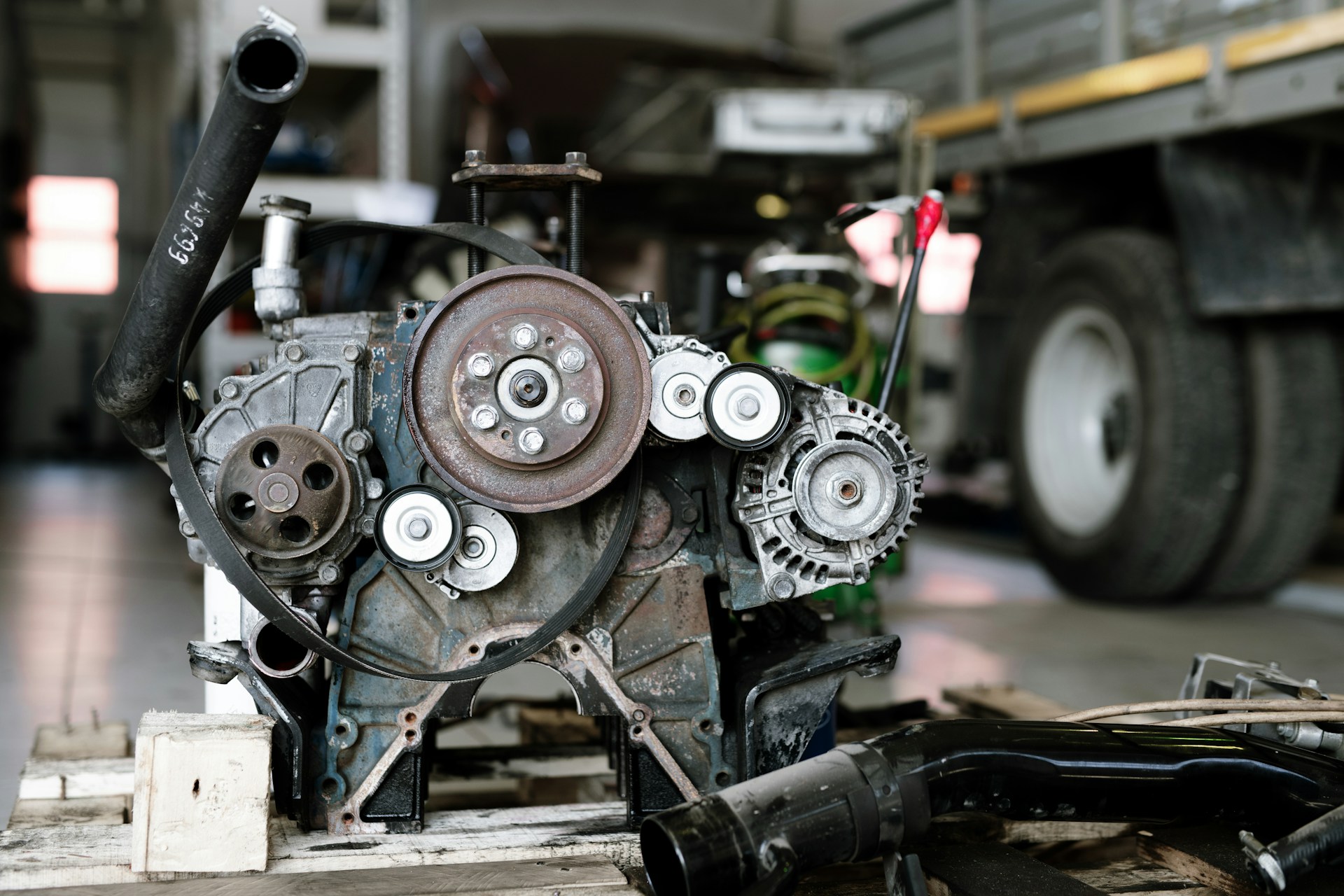
The engine is the heart of the powertrain system, responsible for generating power by burning fuel and air. It produces a rotational force that is used to turn the transmission. The engine’s power output is measured in horsepower and torque, with higher numbers indicating more power. There are various types of engines, including petrol, diesel, and electric, each with its own unique characteristics.
The transmission is responsible for controlling the speed and torque of the vehicle. It consists of a series of gears that can be shifted to provide different gear ratios. The transmission allows the engine to operate at its most efficient speed range, reducing fuel consumption and engine wear. The transmission can be either automatic or manual, with each having its benefits and drawbacks.
The driveshaft is a long shaft that connects the transmission to the differential. It transmits power from the transmission to the differential, which in turn sends power to the wheels. The driveshaft needs to be carefully balanced to prevent vibrations and ensure smooth operation.
The differential is a component that allows the wheels to rotate at different speeds. It is located between the driveshaft and the axles and is responsible for distributing power to the wheels. The differential is crucial in turning corners, as the outer wheel needs to rotate faster than the inner wheel. There are various types of differentials, including open, limited-slip, and locking, each with its unique benefits and drawbacks.
The axles are the final component of the powertrain system. They are responsible for transmitting power from the differential to the wheels. The axles also support the weight of the vehicle and provide a smooth ride for the passengers. There are various types of axles, including solid, semi-floating, and full-floating, each with its unique benefits and drawbacks.
A powertrain is essential for several reasons, as it is the core system responsible for generating and transmitting power to the vehicle’s wheels, enabling motion and driving. Without a properly functioning powertrain, a vehicle would be unable to move or operate efficiently.
The powertrain system’s different components work together to provide a smooth and efficient driving experience. The engine generates power, the transmission converts this power into usable torque, the differential allows for smooth cornering by enabling wheels to rotate at different speeds, and the axles transmit the power to the wheels.
Additionally, a well-designed powertrain ensures optimal fuel efficiency, reduces emissions, and contributes to the vehicle’s overall performance, reliability, and longevity. As a result, maintaining and understanding the powertrain’s components is vital for drivers to ensure their vehicle’s proper functioning and to avoid potentially costly repairs.
So there you have it, the powertrain – a complex and fascinating system that brings your vehicle to life. From the engine’s raw power to the axles’ smooth ride, the powertrain is an essential component that ensures your vehicle runs at its best. Without it, you’d be stuck in the driveway, and nobody wants that. By understanding the powertrain’s components and functions, you can ensure your vehicle operates efficiently, safely, and smoothly. So next time you’re behind the wheel, take a moment to appreciate the powertrain and all it does to keep you moving forward.
Keep your powertrain running efficiently with the help of Airline Auto Parts. We are a sophisticated auto recycling facility that provides a wide range of car parts in Houston. Our extensive inventory and exclusive parts network puts millions of parts at our fingertips. Shop now!
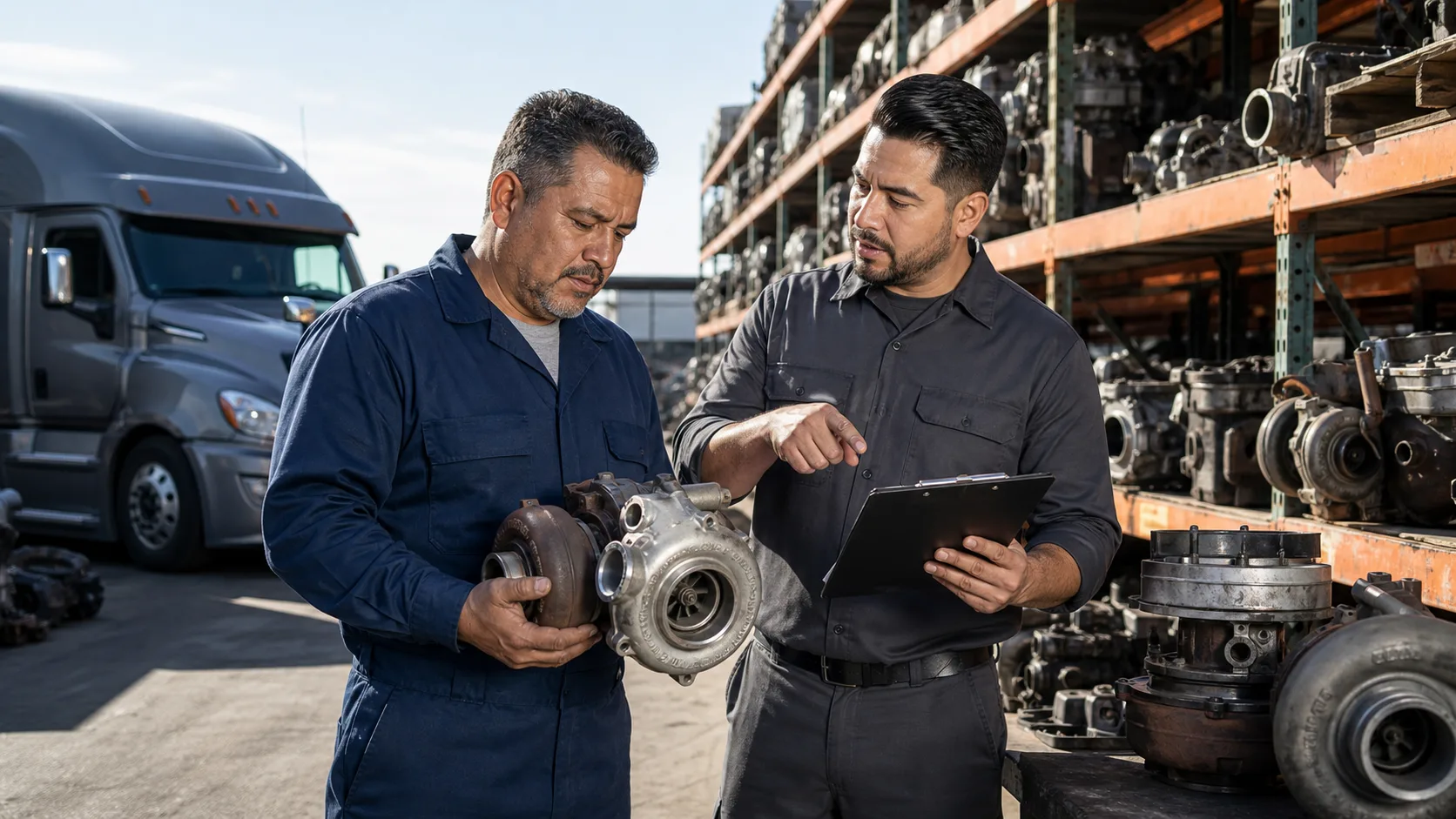
September 15, 2026 Questioning Houston Auto Parts Salvage f...

When a Salvage Yard in Houston Becomes t...
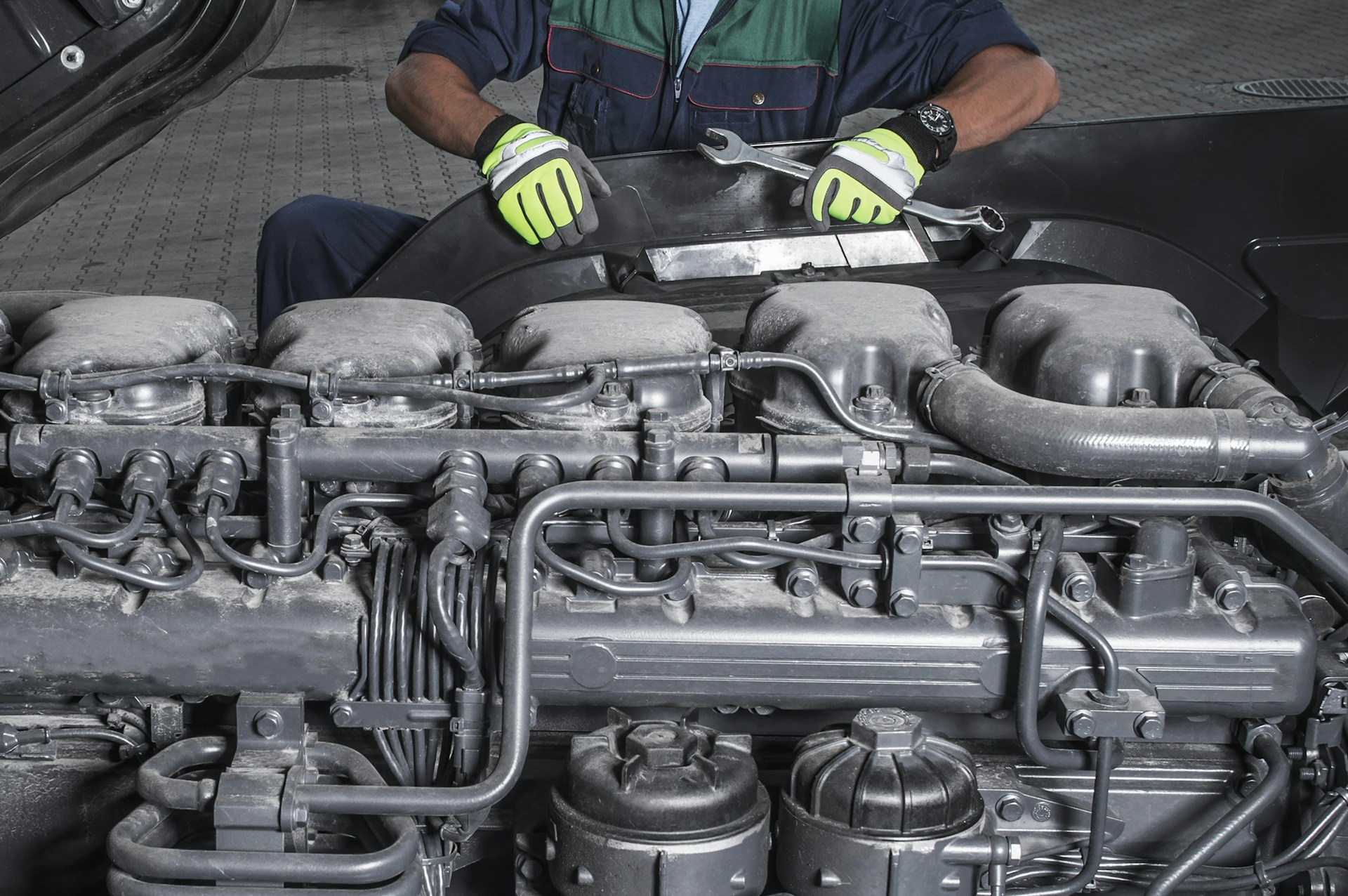
September 9, 2026 Diesel Transmission Choices Houston Driv...
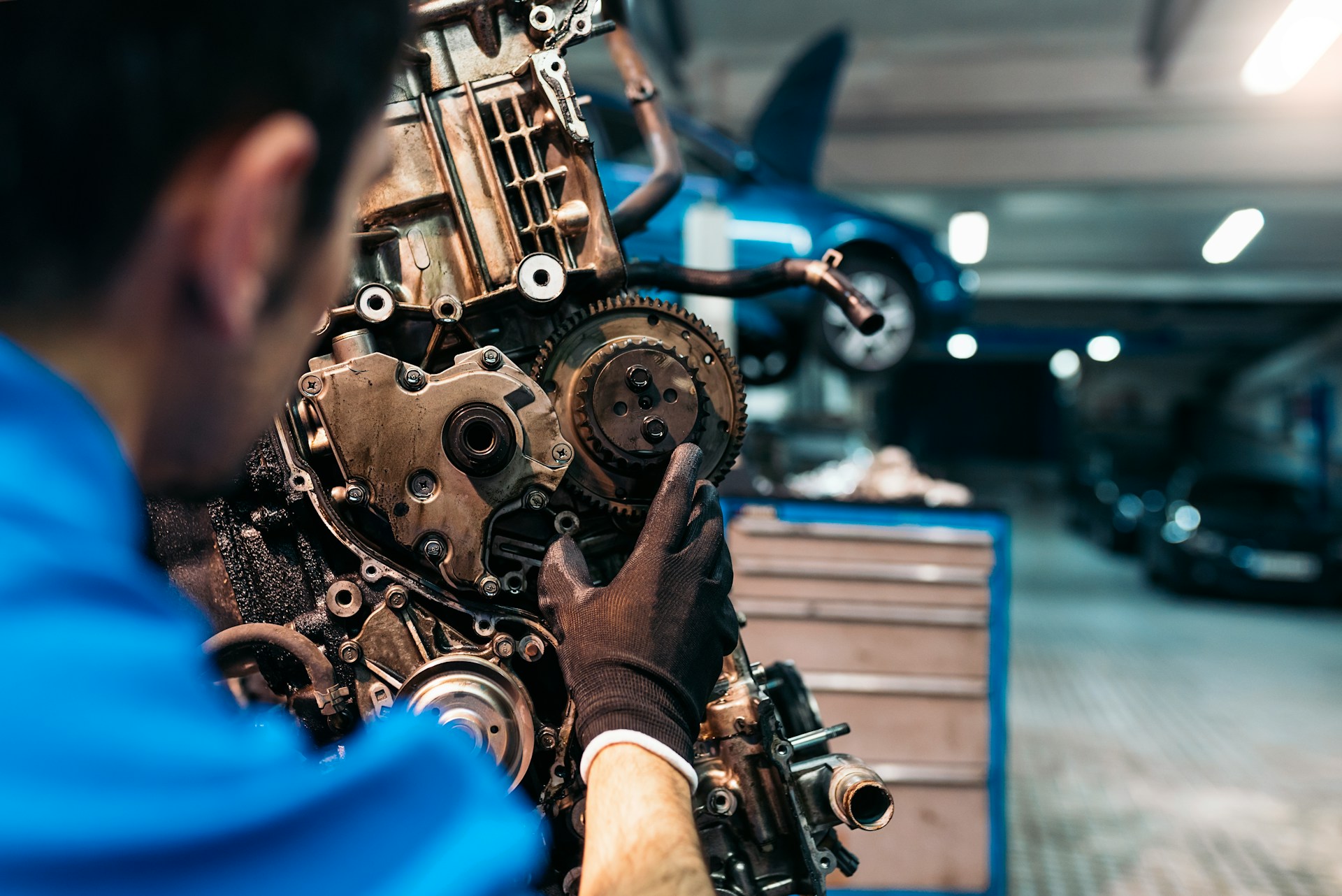
DIY-Friendly Repairs Using Used Truck Pa...
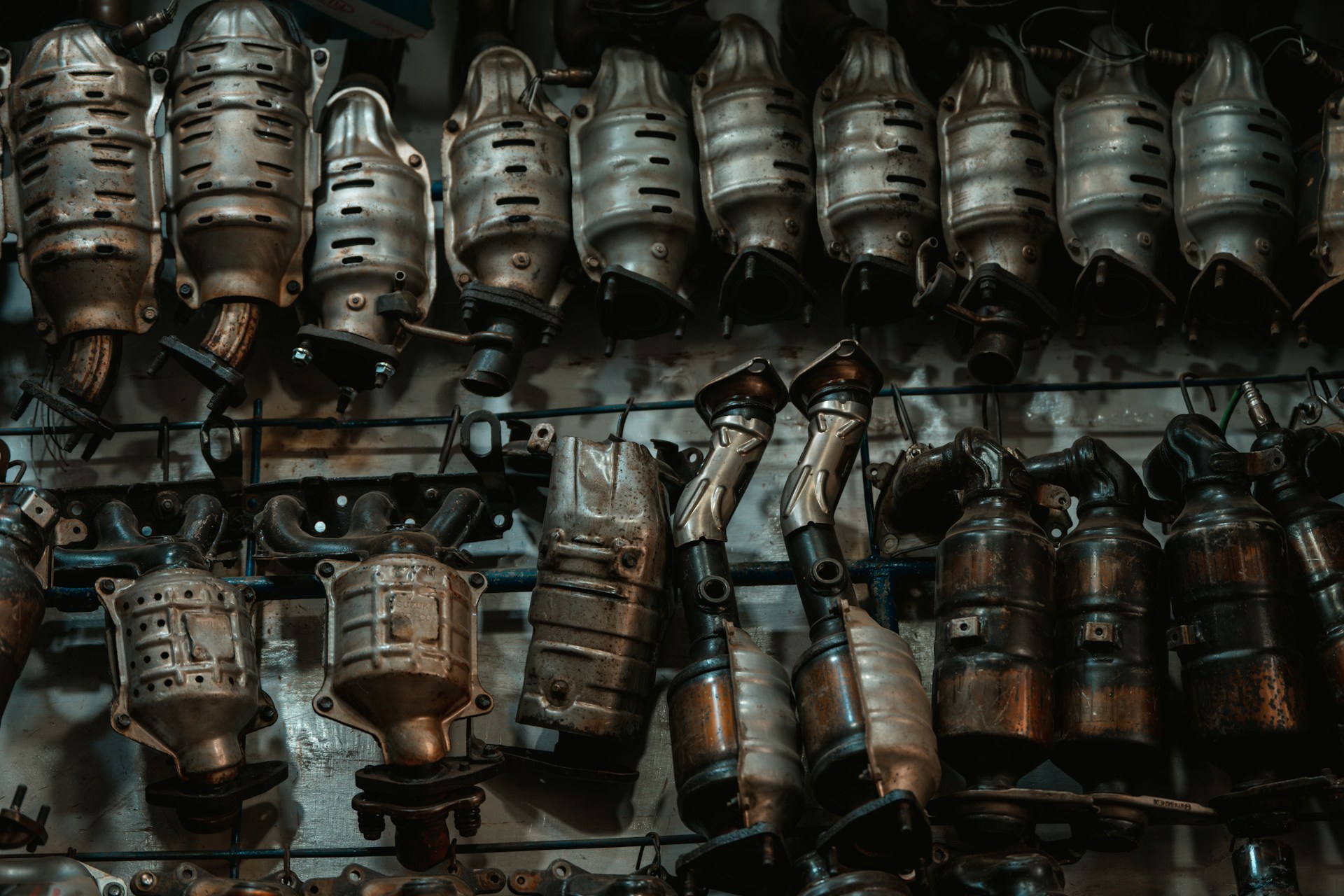
Questions Houston Drivers Should Ask Aft...

Salvage Yard vs Online Marketplace: Chec...
August 23, 2026 Questioning Used Truck Parts Houston Dri...
Choosing Passenger Diesel Engines from H...

August 16, 2026 Decoding Used Mercedes Parts Houston Dri...
Managing Diesel Transmission Swaps with ...
Leave a Reply
You must be logged in to post a comment.