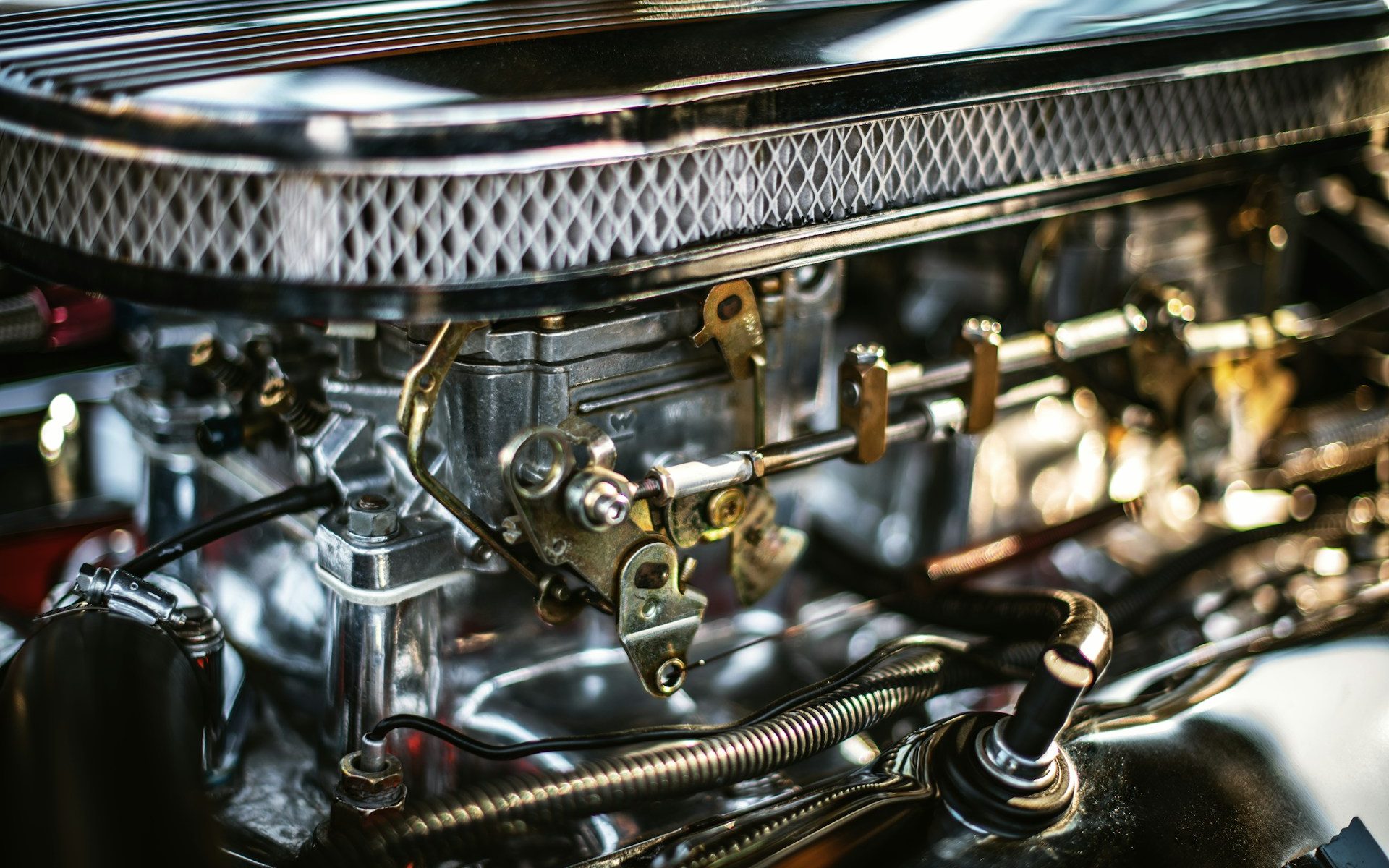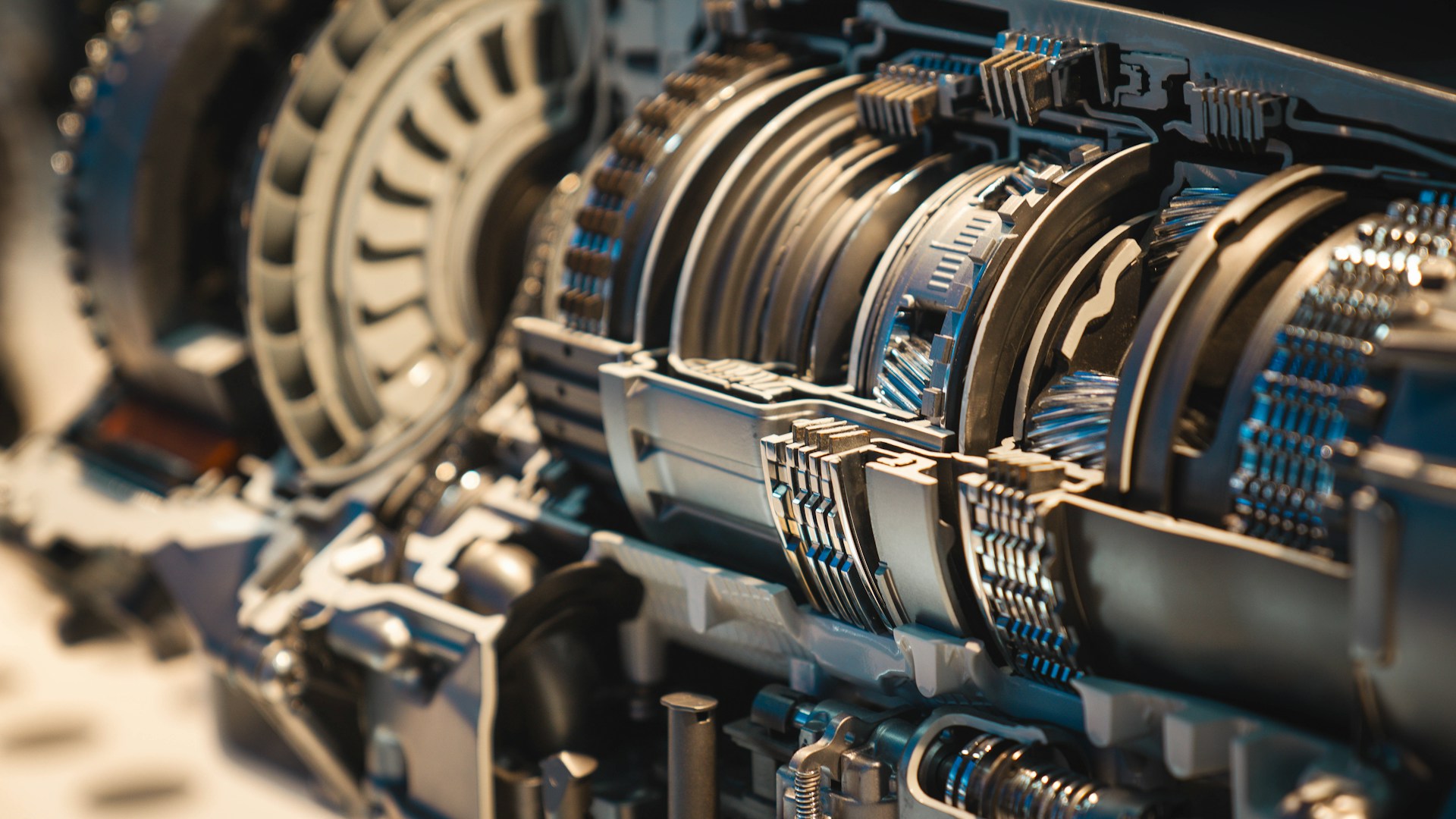
How to Diagnose Common Diesel Engine Problems

Diesel Engine

Maintaining a diesel engine in good condition isn’t just about keeping your vehicle running; it’s about avoiding big repair bills down the road. Diesel engines, known for their durability and fuel efficiency, can sometimes act up. When they do, recognizing the early warnings can make all the difference between a minor tune-up and a major overhaul.

Let’s say you notice your diesel vehicle having trouble starting one morning. This small hiccup can seem worrying, but understanding what it might signal helps in addressing it quickly and efficiently. Knowing the basics of diesel engine problems means you can talk confidently with mechanics and make informed decisions about repairs and maintenance.

Common Diesel Engine Starting Problems

Diesel engines are robust, but they aren’t immune to starting issues. When your engine struggles to start or doesn’t start at all, it’s time to consider some potential problems.

– Battery Concerns: Sometimes, the problem lies with a weak or dead battery. Check if the battery terminals are secure and clean from corrosion.
– Fuel Delivery Issues: If there’s a delay in starting, it could be due to problems in the fuel system. Blocked fuel filters or air in the fuel lines can obstruct the smooth flow of fuel.
– Glow Plug Malfunctions: Diesel engines rely on glow plugs to start in cold weather. When these fail, they can disrupt the ignition process, making early morning starts difficult.

Knowing these issues allows you to troubleshoot effectively. It might just be that a simple battery replacement or a check on your fuel system is needed. Always consider reaching out to professionals for diagnosing and solving these problems to avoid making matters worse.

Addressing the underlying issues promptly ensures your diesel engine remains reliable, so you’re not left stranded when you least expect it.

Identifying Issues with Diesel Engine Performance

Your diesel engine might be running, but if it’s not performing well, you may notice a few telling signs. Poor performance can show up as a loss of power, rough idling, or annoying misfires. These symptoms point to deeper issues that need addressing.

Fuel injector problems often cause loss of power. If they’re clogged or malfunctioning, your engine won’t get enough fuel, which leads to power dips. Turbocharger issues, on the other hand, might cause inconsistent acceleration or even a loud whining noise. Lastly, an air filter blockage can choke your engine, preventing the air needed for efficient combustion. Keeping these components in check ensures that your engine runs smoothly and efficiently.

Diagnosing Unusual Noises and Vibrations

Strange noises or vibrations are often your engine’s way of calling for help. Types of noises you may hear include knocking, ticking, or rattling, each pointing to different potential problems.

A knocking sound might suggest worn-out bearings. These need prompt attention to avoid further damage. If you hear a ticking noise, it could be related to the engine’s timing chain. This chain is crucial for keeping your engine’s parts in sync, and any problems with it could cause significant issues. Rattling noises often hint at loose engine mounts, causing vibrations throughout the vehicle. Listening carefully to these sounds can guide you toward the right fix and prevent more severe problems down the road.

Recognizing Exhaust Smoke Issues

The color of your exhaust smoke can give you clues about what’s happening under the hood. Black, white, and blue smoke each indicate a different set of concerns.

Black smoke suggests incomplete combustion, often due to a fuel injector malfunction or a clogged air filter. White smoke might signal coolant leaks in the engine, which need fixing before they lead to overheating. Blue smoke typically points to oil consumption, hinting at worn-out piston rings or valve seals. Paying attention to these signs helps maintain your engine’s health and prevents long-term damage.

Monitoring Warning Lights and Codes

Dashboard warning lights are crucial indicators for identifying engine issues. The check engine light is especially important, signaling various potential problems. To understand these signals, using diagnostic tools to read error codes can be extremely helpful. These tools translate your vehicle’s alerts into actionable information, helping determine the necessary repairs and preventing bigger issues.

Maintaining Diesel Engines for Reliable Performance in Houston

Troubleshooting diesel engine problems might seem challenging, but catching issues early is key to keeping your vehicle on the road and minimizing repair costs. Facing these problems with confidence comes from understanding and recognizing the typical signs your engine gives you.

Always consider reaching out to professionals who have the expertise to assess and fix these issues properly. By keeping up with maintenance and being alert to any unusual engine behavior, you’ll enjoy a smoother, more reliable driving experience. Remember, a well-maintained engine not only saves money but also provides peace of mind every time you turn the key.

For drivers in Houston who need reliable and affordable solutions, consider checking out our selection of used diesel engines for sale to keep your vehicle running smoothly. Airline Auto Parts offers a range of options to meet your needs, ensuring you have quality parts at your fingertips. Discover what we have available today.

Making the Most of Second-Hand Ford Car Parts

Ford car

When it comes to maintaining and enjoying your Ford vehicle in Houston, making smart choices about parts can play a big role. Opting for second-hand Ford car parts not only saves money but also supports a more sustainable approach to car maintenance. Using recycled parts means you get what you need without contributing further to waste. Plus, you might be surprised by the quality and variety available.

Consider how Houston’s vibrant car culture thrives on accessibility and practicality. Second-hand parts fit right into this, offering an excellent way to keep your Ford in top-notch condition without breaking the bank. Whether you’re looking for a door handle, a side mirror, or a complex engine component, these parts can provide a practical, cost-effective solution that feels just right for the community-focused spirit of Houston.

Why Choose Second-Hand Ford Car Parts

Choosing second-hand parts for your Ford comes with many benefits, especially in a city like Houston. Here’s why it makes sense:

– Affordability: Second-hand parts are generally much cheaper than brand-new parts. This means you can fix or upgrade your car without spending a fortune.
– Diverse Inventory: From older models to the latest releases, second-hand markets often have a vast range of parts. Chances are, you’ll find exactly what you need for your Ford, regardless of its make or model.
– Environmental Benefits: Buying used parts helps reduce waste and minimizes the demand for new manufacturing. This sustainable choice means fewer materials and energy used overall.

Imagine having a flat tire and rather than buying a new one, you find a perfectly good used tire that fits your car at a fraction of the cost. Suddenly, the trouble doesn’t seem so bad. This practical decision-making is at the heart of choosing second-hand parts. It’s about balancing cost, quality, and availability while doing something good for the environment. This approach not only benefits your wallet but also contributes to a larger community effort in caring for our planet.

Ensuring Quality and Reliability

When exploring second-hand Ford car parts, it’s natural to wonder about their quality and reliability. Rest assured, the process for inspecting these parts is quite thorough. Suppliers usually have experienced teams that rigorously check each component before it’s put up for sale. They make sure everything functions properly and has no hidden damage. This sort of attention helps ensure you’re getting a part that’s reliable and ready to install.

Additionally, many suppliers offer warranties on their used parts. This guarantee provides peace of mind, knowing that if something goes wrong, you’re protected. It’s a good idea to ask about these policies so you understand exactly what’s covered. Knowing that a warranty backs your purchase can give you added confidence as you integrate these parts into your Ford.

Where to Find Second-Hand Ford Car Parts

Locating quality second-hand Ford parts involves finding reliable sources. You might start by looking for suppliers with a strong local reputation. A business known for its customer service and quality tends to have a loyal customer base. It’s also beneficial to choose sellers with a wide selection, ensuring access to a diverse range of parts.

Consider these tips when searching for a reputable supplier:

– Ask friends or family for recommendations.
– Look for reviews and feedback online.
– Verify the supplier is known for authentic parts and reliable service.

Focusing on local businesses, particularly in Houston, can result in quicker service and support. By staying close, you’re able to get the parts you need without waiting for long shipping times, making your repair or upgrade process smoother.

Tips for Installing Second-Hand Ford Car Parts

Once you’ve acquired the second-hand parts for your Ford, proper installation is key to maximizing their longevity. Hiring a professional for installation is an excellent way to ensure the parts fit correctly and function as expected. Experts have the knowledge to navigate any challenges that might arise during the process.

To avoid any installation hiccups:

1. Double-check the compatibility of the part before proceeding.
2. Follow manufacturer’s guidelines or consult with a certified mechanic.
3. Schedule regular maintenance to spot any potential issues early on.

Handling this part of the process with care can prevent headaches down the road, ensuring your Ford stays on the road smoothly.

Keeping Your Ford Running Smoothly

Once your new parts are installed, ongoing maintenance becomes the secret to keeping your Ford running efficiently. Regular check-ups allow you to catch wear and tear early. Addressing small problems before they escalate saves time and money down the line. Replacing components like belts or filters on a routine basis ensures everything operates optimally.

Think of your vehicle like a team: each part plays its role, contributing to the overall success. By looking after each element, you support the whole system. This attentive care not only keeps your Ford reliable but also enhances its performance and extends its lifespan, allowing you to enjoy more smooth rides through Houston’s roads.

Revolutionize your Ford maintenance with the extensive selection of second-hand car parts for Ford available through Airline Auto Parts. These quality components are perfect for keeping your vehicle running smoothly and efficiently. Explore the diverse inventory today and make the best choice for your Ford’s needs.

Is It Time to Replace Your Transmission? Key Signs

transmission

Transmissions are the heartbeat of your car, silently working to keep your drive smooth and efficient. Like all components, they can start to wear down, leading to problems that are hard to ignore. Knowing when it’s time to replace your transmission can save you from a breakdown and keep your car running better for longer.

Catching these early signs not only helps you avoid costly repairs but also keeps your vehicle in top shape. Whether you’re taking a quick trip around Houston or heading out on a long road trip, understanding the warning signs of a failing transmission is essential. Let’s explore some key indicators that suggest it might be time for a transmission replacement.

Signs That It Might Be Time to Replace Your Transmission

Trouble Shifting Gears

If shifting gears feels like wrestling with your transmission, it’s a sign that something isn’t right. You might notice delays when changing gears, making for a bumpy ride. Sometimes, the gear stick might hesitate or feel sticky. This can be caused by worn-out gear synchronizers or even low transmission fluid. Noticing these issues early can spare you bigger headaches down the road.

Unusual Noises

Does your car sound like it’s growling or whining when you drive? Strange noises when you switch gears can be a telltale sign of transmission trouble. Sounds like grinding, whining, or clunking might suggest that internal gears are clashing, which could lead to serious damage if not addressed promptly. It’s always a good plan to let a professional take a listen if your car starts singing an unexpected tune.

Fluid Leaks

Spotting a red or brownish puddle under your car is rarely a good sign. Transmission fluid leaks are common indicators of a problem. Regularly checking underneath your car for these leaks can prevent further damage. These fluids are what keep your transmission lubricated and running smoothly, so see a professional if you spot any tell-tale stains.

Dashboard Warning Lights

That little light on your dash is trying to tell you something. When your transmission warning light or the check engine light comes on, don’t ignore it. These warnings are your car’s way of signaling potential issues with your transmission’s health. Address them quickly to prevent minor issues from becoming major expenses.

Burning Smell

A burnt odor wafting from your car is not just unpleasant; it’s alarming. This smell can indicate that your transmission fluid is overheating, possibly due to low levels or poor condition. Such a scenario can cause significant wear on your transmission, so be sure to address it. If you detect a burnt smell, consider it a clear message from your car to seek help soon.

Why You Should Consider Recycled Transmissions

Opting for a recycled transmission can be a smart choice for many car owners. It’s usually friendlier on the wallet since used transmissions often cost significantly less than brand-new ones. For drivers looking to save money without sacrificing performance, this option offers a sensible solution. Recycled transmissions undergo thorough inspections and testing, ensuring that they’re just as reliable as new parts. By choosing a recycled option from a credible source, you can get the quality and dependability you need for your vehicle.

When it comes to performance, don’t underestimate the potential of a well-recycled transmission. Trusted suppliers test these components rigorously to meet high standards. This attention to detail ensures you get a part that works well and prolongs the lifespan of your vehicle, keeping you on the road with less hassle.

Importance of Professional Installation

Installing a transmission is no small feat, and trying to do it yourself can lead to unnecessary complications. It’s crucial to understand the risks involved with a DIY route, which can often end up costing more in the long run due to potential mistakes. Professional mechanics bring expertise and experience to the table, ensuring the installation is done safely and correctly. This guarantees the transmission will function as intended, reducing the chances of future issues significantly. It’s always wise to leave such critical tasks to those who know them best, providing you with peace of mind and a smoothly running vehicle.

Ensuring correct installation isn’t just about avoiding pitfalls; it’s about the longevity of your car. Experts have the proper tools and knowledge to handle intricate automotive systems, making sure everything is aligned properly. This careful attention means fewer surprises on the road, allowing drivers to focus on more important journeys.

Getting a Used Transmission in Houston

When searching for a used transmission in Houston, going local can offer several advantages. For one, local suppliers typically have an intimate understanding of what common challenges vehicles face in the area. This makes it easier to find a transmission that’s well-suited for your driving conditions. Although some might think that options are limited when buying locally, the truth is that local suppliers often have access to a wide range of parts.

Choosing a supplier involves more than just finding available stock, though. It’s about picking a reputable source that values quality and customer satisfaction. Therefore, look for suppliers who offer warranties and have positive customer reviews. This ensures that you’re buying from a trusted place, providing reliability and service that go beyond just the transaction itself.

Keep Your Car Running Smoothly

Being aware of the signs of transmission issues and taking timely action is key to maintaining your car’s health. Keeping a close eye on your vehicle and responding quickly to problems can prevent major breakdowns. Using trusted services and suppliers adds another layer of security to your driving experience, promising a reliable ride throughout Houston’s roads.

By staying informed and trusting professionals for repairs and replacements, you can enjoy your drives without the stress of unexpected car troubles. Always make sure to pay attention to any signs of distress your car shows and handle them promptly for peace of mind and smoother rides ahead.

To keep your vehicle in great shape, consider exploring options for used transmissions in Houston. Finding the right recycled part can make all the difference in maintaining performance and efficiency. At Airline Auto Parts, we provide quality solutions that ensure you’re back on the road without a hitch. Visit us today to discover reliable parts that won’t break the bank.

How Hot Weather Affects Diesel Engines and What to Do

Engine

Houston, known for its blazing summers, presents a unique challenge for diesel engine owners. These engines, while durable, can struggle in extreme heat, leading to potential issues that impact their efficiency and lifespan. Understanding the effects of hot weather on diesel engines can help you keep your vehicle operating smoothly and prevent unexpected breakdowns.

Shopping for a quality replacement or considering options like “Used Diesel Engines for Sale” becomes crucial in such climates. Having the right knowledge can save you both time and money. High temperatures threaten your diesel engine’s performance by reducing power output, compromising fuel efficiency, and sometimes causing it to overheat completely. Let’s explore exactly how heat impacts these engines and what steps you can take to protect your diesel investment.

Impact of High Temperatures on Diesel Engines

Diesel engines are constructed for durability and performance, but high temperatures can disrupt their function. Heat stresses these engines by increasing the demand on their cooling systems. If the cooling system isn’t up to the task, engine temperatures can rise quickly, leading to various issues:

– Overheating: The engine can get excessively hot, causing potential damage. Overheating can result in parts expanding, sticking, or even melting.
– Loss of Power: Engines operating at higher temperatures tend to be less efficient, which means you might notice a drop in power output.
– Reduced Fuel Efficiency: The engine works harder to maintain its usual performance levels, consuming more fuel as a result.

Think of a radiator desperately trying to keep a boiling pot of water from overflowing; this mirrors what happens beneath your vehicle’s hood during Houston’s hottest days. Heat forces the engine to consume more while delivering less, due to compromised efficiency. Recognizing these symptoms early and understanding how heat affects diesel engines can save you from costly repairs and extended downtime, making preventive measures essential.

Preventive Measures for Protecting Diesel Engines in Hot Weather

Caring for your diesel engine is crucial when faced with Houston’s relentless heat. Regular maintenance serves as your best line of defense against the heat’s toll on your engine. Simple actions like monitoring coolant levels and oil quality can have a broad impact. Proper lubrication reduces friction and overheating, ensuring components move smoothly without generating unnecessary heat.

Consider using heat-resistant oils and coolants specifically designed for warmer climates. These products contain additives that enhance their performance under high temperatures, offering your engine extra protection. Keeping your air conditioning and cooling systems in good working order is critical to maintaining your engine’s health. Efficient AC systems not only cool the cabin but also help prevent engines from overheating.

Using quality parts is important as well. Opting for reliable components can prevent breakdowns and prolong your engine’s life. Look for reputable sources that supply high-grade parts, capable of withstanding Houston’s extreme heat conditions.

Signs Your Diesel Engine Might Be Overheating

Identifying the warning signs of an overheating engine can prevent serious damage. Here are a few symptoms to watch for:

– High Temperature Gauge: If the gauge consistently reads on the higher side, it should be considered a red flag.
– Steam or Smoke from the Hood: This indicates the engine is too hot, and steam suggests coolant may be evaporating.
– Unusual Smells: A sweet smell could indicate a coolant leak, while burnt oil or rubber odors might point to overheating.
– Reduced Performance: Should the vehicle feel sluggish or hesitant, it might be overheating.

If you notice any of these signs, it’s advisable to consult a professional. Experts can diagnose and address issues, saving you time and money in the long run.

Benefits of Professional Inspection and Maintenance

Relying on professionals for engine inspections is always a wise choice. Although DIY solutions may appear more cost-effective, they can often lead to additional problems without the proper expertise. Technicians are equipped with the tools and experience needed to identify issues you might overlook.

Professionals use advanced diagnostic equipment to ensure everything operates smoothly. They can provide personalized maintenance plans that cater to your engine’s specific needs and local weather conditions. Whether it’s a routine check or something more specific, seeking expert advice can keep your engine in optimal condition, particularly in the face of the intense Houston sun.

Wrapping Up: Ensuring Longevity for Your Diesel Engine

By understanding how hot weather impacts your diesel engine and taking proactive steps, you can ensure your vehicle remains dependable throughout the year. Regular maintenance, staying alert to warning signs, and using high-quality parts all contribute to keeping your engine running smoothly.

Remember, investing in professional services saves time and may prevent costly repairs down the line. With the right care, your diesel engine will continue to perform well, even when temperatures soar.

Whether it’s time for regular maintenance or you’ve spotted signs of trouble, trust the professionals to keep your diesel engine in top shape. Explore options for reliable solutions and look into our selection of used diesel engines for sale at Airline Auto Parts. Ensuring your vehicle runs smoothly, even during Houston’s hottest days, has never been easier.

Exploring the Benefits of Used Auto Parts

Auto Parts

Choosing the right parts for your car can feel like a challenging decision. For many, opting for used auto parts has become an increasingly popular solution. These parts can help extend the life of your vehicle without breaking the bank. Many people have discovered that used auto parts are not only an affordable option but also reliable when it comes to maintaining and upgrading vehicles.

The demand for used auto parts keeps growing, and there’s a good reason for that. As more individuals aim to save money and contribute to sustainability, choosing recycled parts becomes a smart choice. With a wide variety of options available, car owners in Houston and beyond are embracing the benefits of used auto parts. Let’s dive into why these might be the right choice for your next vehicle repair or upgrade.

Quality and Reliability

When it comes to quality, you might wonder if used auto parts measure up to new ones. The truth is, used parts can be just as reliable as their brand-new counterparts. For starters, these parts often undergo rigorous testing to ensure they meet high standards. This testing process involves detailed inspections and assessments, where any faulty parts are quickly weeded out. As a result, only those components that meet strict criteria make it to the shelves.

With the assurance of quality, drivers can confidently rely on used parts for their vehicles. This is especially beneficial when one considers that such testing guarantees the part performs just as well as a new one. Many satisfied car owners have noted that the performance of their vehicles hasn’t suffered after using second-hand parts. So, why not consider this reliable option the next time your car requires a replacement?

– Consider the money saved when purchasing a part that’s been quality tested.
– Enjoy peace of mind knowing it operates just like a newer counterpart.
– It’s a convenient way to enhance vehicle value without compromising quality.

Taking advantage of tested and certified used auto parts can ease concerns about reliability, ultimately leaving you with more confidence in your vehicle’s performance.

Cost Savings

One of the most appealing aspects of used auto parts lies in the savings they offer. When working with budgets, finding ways to reduce expenses without sacrificing quality is a win. Used parts often come at a fraction of the cost of new ones, helping you keep more cash in your pocket. This is particularly useful when dealing with unexpected repairs that can otherwise burn a hole in your wallet.

Car owners have shared stories about saving significant amounts by choosing used parts, allowing them to invest in other areas or even manage household expenses better. Used parts maintain their affordability, which means you don’t have to compromise financial stability to keep your vehicle running smoothly.

Environmental Benefits

Besides cost savings, used auto parts provide significant environmental perks. By giving new life to recycled components, you’re playing a part in reducing the demand for manufacturing new parts. This reduction, in turn, cuts down on energy consumption and raw material usage. Supporting recycling efforts contributes to a decrease in waste, which is a step toward a greener planet.

Using recycled parts lowers the carbon footprint associated with car repairs and benefits Mother Nature in a meaningful way. Opting for these parts decelerates the pace at which materials end up in landfills. As more people embrace this choice, the collective impact on the environment grows, fostering awareness and responsibility.

Availability and Variety

One might think that limited options exist when it comes to used auto parts, but there’s an impressive variety spanning diverse makes and models. Whether you’re looking for components for a popular vehicle or searching for a rare gem for a less common model, the options are vast. Used parts often provide solutions where new parts fall short, especially when dealing with discontinued models or older vehicles.

The wide availability ensures that just because a particular part is no longer in production, you aren’t left in a bind. This option grants access to an extensive selection, enhancing repair possibilities. Car owners cherish the ability to find what they need, even when it seems like it might not exist in the market anymore.

Wrap-Up Your Auto Parts Upgrade

Exploring the benefits of used auto parts reveals how they stand as a smart choice for any vehicle owner. They provide excellent value, bolster environmental efforts, and present countless opportunities to fit various needs across the automotive spectrum. The assurance of quality and diverse selection ensures confidence in any purchase you make, and it helps your budget and planet at the same time.

Next time your car requires attention, considering used auto parts could be your solution for dependable and affordable maintenance. With their value, variety, and environmental advantages, they remain a compelling option for those seeking quality solutions.

Looking to make your next car repair more affordable and eco-friendly? Explore the extensive selection of used auto parts available at Airline Auto Parts. Enhance your vehicle’s performance while embracing sustainability through quality recycled components designed to fit a broad range of models. Discover the right parts today and experience the benefits of making smart choices for both your vehicle and the environment.

Problems to Watch Out For with Salvage Car Parts

car parts

Purchasing salvage car parts can be a smart and cost-effective choice for many car owners. However, these parts come with their own set of challenges that people should be aware of. Not knowing what to watch out for might lead to more problems than solutions. For those driving in Houston, where the climate can cause wear and tear on vehicles, understanding how to handle these issues becomes even more crucial. Especially during the summer, when high temperatures can strain even the most robust parts. Being informed will help ensure your car runs smoothly through every season.

Opting for salvage parts doesn’t just require a careful eye; it needs some know-how, too. While these parts are a great way to keep your vehicle in good condition without busting the budget, potential risks can’t be ignored. Awareness and precautionary steps can make a difference in using these parts without complications. By understanding the ins and outs of salvage car parts, drivers in Houston can make informed decisions that preserve vehicle integrity and safety.

Hidden Damage

One of the trickiest parts about buying salvage car parts is spotting hidden damage. These parts often come from cars that have been through accidents or other situations that could cause unseen problems. You might not notice these issues right away, but they could affect how well the part performs once installed.

When looking over salvage parts, it’s essential to check them thoroughly. Here’s some advice to help with that:

– Look for cracks or bends, especially in metal parts, which can indicate stress or prior damage.
– Feel for any rough or uneven surfaces that might suggest wear or corrosion.
– Listen for any rattles or odd noises when moving the part, which can mean internal issues.

With the high humidity and heat in Houston, corrosion is a concern, so always be mindful of rust. Even a small amount of rust can spread, leading to bigger problems. For something undetectable, like electronics, having a professional check if the part functions properly before purchase could save trouble down the line. A little extra time now to inspect these parts can prevent headaches later.

Compatibility Issues

Another aspect to keep in mind with salvage car parts is making sure they actually fit your car. Compatibility is key—installing a part that doesn’t align with your vehicle can cause more harm than good. These mismatched parts can lead to poor performance, reduced safety, and sometimes even more repairs.

Before purchasing, compare the part numbers to ensure they match your car’s requirements. Check for compatibility with your vehicle’s make, model, and year. Lacking a clear understanding of these parameters could result in spending on a part that doesn’t work for you. If you’re unsure, consulting a car expert for advice might be helpful. They can confirm whether a part will fit properly, saving both time and money.

Being aware of the possibility for fitment issues means you’ll need some level of preparedness before making a purchase. This proactive approach can help prevent unnecessary challenges, paving the way for more reliable outcomes in using salvage car parts.

Shorter Lifespan

When thinking about salvage car parts, it’s important to remember that they often don’t last as long as new parts. The life of a salvage part greatly depends on its own history and use. Factors like how often the previous owner used it and the conditions it was exposed to can dictate how quickly it might wear out. Regular wear and tear, rust, or heat exposure could all shorten its life.

To get the best out of a salvage part, it’s a good idea to take care of it with regular maintenance. For instance, if you’ve installed a salvage radiator, keep an eye on its coolant levels and check for any leaks regularly to ensure it works well. Proper installation and keeping parts clean can stretch their usability. These steps may help salvage parts last longer than expected, giving you more value for your money.

Warranty Concerns

Dealing with warranties on salvage parts can be tricky. Unlike buying new parts, where warranties are often standard, salvage parts might come with limited warranties, or sometimes none at all. This lack of assurance can leave buyers feeling uncertain about their choices.

Commonly, there might be a short-term warranty offered, but it’s crucial to check the specific details. Be sure to ask:

– What does the warranty cover?
– How long is the warranty valid?
– What are any special conditions or exclusions?

If a part is bought without a warranty, consider these steps to manage the risks:

– Test the part thoroughly before installing it.
– Keep documentation of your purchase and any guarantees made at the point of sale.
– Explore additional protection options, like third-party warranties if available.

Being clear about warranty terms from the start helps you make informed decisions, keeping surprises at bay.

Safety Risks

Prioritizing safety when it comes to salvage parts is a must. Using these parts can sometimes lead to safety worries, especially if the parts are used in critical areas like brakes or airbags. Salvage parts need thorough checks to ensure they meet safety standards.

It’s best to get parts certified, ensuring they function correctly and are safe. This is especially true for parts impacting your car’s safety systems. For any parts that influence safety directly, like seatbelts or tires, think about investing in new ones. Doing so cuts risks and keeps you and other road users safer.

Ensuring Quality Salvage Parts

Getting good quality salvage parts involves knowing a few helpful steps. Make sure the supplier is reputable and has a good track record. Trusted sources usually sell parts that have been well-inspected and tested.

Here’s a simple checklist to keep in mind when purchasing:

1. Always check the return policy and ask questions if unsure.
2. Verify the part’s history. Sometimes, a bit of background can reveal a lot about its condition.
3. Request any available documentation that guarantees authenticity or prior use.

Staying informed and vigilant when shopping for salvage parts helps in getting products that are both safe and reliable.

Making Informed Purchases

Bringing the points together, understanding the reality of salvage car parts helps in making smarter and safer decisions. Checking for hidden damage, ensuring compatibility, knowing about lifespan, and understanding warranties are steps not to be missed. Always prioritize sourcing your parts from credible places to avoid unnecessary risks.

Being equipped with the right information shields you from common pitfalls associated with salvage parts, ensuring you enjoy many miles of smooth driving. Safe travels start with informed choices, so always keep this guide handy when considering salvage parts for your car in Houston.

For those in Houston looking for quality salvage car parts, it’s wise to make well-informed decisions. At Airline Auto Parts, we ensure that every piece has been properly inspected to meet your standards. Browse our selection of salvage car parts in Houston to find reliable solutions that fit your needs. Keep your vehicle running smoothly with parts you can trust.

How to Ensure the Longevity of Your Used Car Parts

Car Parts

Keeping used car parts in great shape is key to making sure your vehicle runs well for years to come. When parts are well-maintained, your car not only performs better but also lasts longer, saving you money and stress. If you’re a car owner in Houston, knowing how to care for these parts can make a big difference. Whether you’re dealing with a second-hand engine or a set of brakes, taking steps to maintain them wisely ensures your car stays on the road and out of the shop.

In a city like Houston, where diverse climates can affect vehicles differently, it’s essential to adopt a routine maintenance habit. Regular upkeep isn’t just about preventing big problems; it’s also about noticing the small issues before they turn into costly repairs. Let’s explore practical tips to help you keep your car parts functioning efficiently, from regular checkups to the proper installation of new components.

Regular Inspections

Giving your used car parts a regular checkup is like going to the doctor before you get sick. Routine inspections help in spotting problems before they get serious. Here’s what you should do during an inspection:

– Visual Check: Look over the engine, brakes, and other parts for any visible wear, tear, or leaks.
– Listen Closely: Pay attention to unusual sounds, as these can indicate parts are wearing out or misaligned.
– Feel the Performance: If something feels off when you’re driving, like vibrations or a sluggish response, it might be time to check under the hood.

Regular inspections don’t have to be complex or time-consuming. Set a reminder to perform these checks every couple of months or whenever you notice something unusual. By addressing issues early, you can avoid major repairs and extend the life of your car parts without needing specialized tools or skills.

Proper Installation

When it comes to installing used car parts, proper technique is crucial. A poorly installed part can lead to bigger issues down the road and may void any warranties. It’s best to seek professional help for installations to ensure safety and performance.

Missing a key step in the installation process can result in costly damages. For instance, an improperly fitted brake pad might wear unevenly or fail when you need it the most. The potential risks of a hasty DIY job emphasize the importance of professional service.

Choosing to have parts installed by an expert means that you can trust the work is done right the first time. It saves you time, makes your car safer, and ultimately prolongs the life of your used parts. So next time you’re considering a new addition to your vehicle, remember that investing in a professional installation can pay off in the long run.

Cleaning and Maintenance

Keeping your used car parts in top shape requires regular cleaning. Dirt, dust, and grime can accumulate over time, leading to corrosion or other damage. To keep your parts clean and functional, follow these simple maintenance tips:

1. Regular Washing: Use mild soap and water to clean engine parts. A soft brush can help remove stubborn grime without damaging surfaces.
2. Rust Prevention: Apply a rust inhibitor to metal parts. This can be found at most auto stores, and it helps prevent rust from developing.
3. Check Moving Parts: Make sure that components like belts and hoses are free of cracks or brittleness. Clean around these areas to ensure they function smoothly.

Avoiding common maintenance mistakes can also help, like using harsh chemicals that might wear down your parts. With a bit of effort, these simple steps can keep your car parts in great condition and extend their longevity.

Usage of Quality Fluids and Lubricants

Using the right fluids and lubricants is key in maintaining used car parts. Quality oils and coolants can drastically affect how well your vehicle runs and how long its components last.

– Engine Oil: Choose a high-quality oil compatible with your car model. Regular oil changes prevent build-up in the engine, helping it run smoothly.
– Coolant: Make sure to top off your coolant regularly. This helps in controlling the engine temperature, especially during Houston’s hot summers.
– Brake Fluid: Ensure the brake fluid is filled to the proper level, as it’s vital for responsive braking and avoiding wear on brake parts.

Adhering to the manufacturer’s maintenance schedule is important, as it ensures all components get the right fluids at the right times. Following these guidelines promises longer lasting parts and boosts vehicle performance.

Seasonal Care and Storage

Seasonal changes can impact car parts significantly, especially in a place with weather variations like Houston. During the hot summer months, parts can expand and contract, leading to wear. Conversely, cooler seasons can cause rubber components to become brittle. To care for your car parts all year round, try these tips:

– Summer Care: Make sure your battery is well-maintained to avoid overheating. Regularly check your tire pressure, as heat can cause tires to expand.
– Winter Considerations: Keep your car in a garage when possible. It’s also wise to use a thicker oil that can withstand colder temperatures without affecting engine performance.

Taking these preventive measures ensures that your used car parts withstand seasonal challenges, maintaining their function and longevity.

Wrapping Up Your Car Parts Care

By incorporating regular inspections, professional installations, proper maintenance, and thoughtful seasonal care, your used car parts will serve you well for years. Each small effort you make in maintaining these components adds up, ultimately reflecting in your car’s performance and reliability.

Ensuring that parts remain in good working order not only extends their lifespan but also enhances the safety and efficiency of your vehicle. With these tips in hand, you can keep your car rolling smoothly, confident that the parts are ready to handle whatever the road brings.

To keep your vehicle running smoothly with high-quality used car parts in Houston, visit Airline Auto Parts. Explore our selection of reliable and efficient parts to ensure your car remains in top condition. Check out our online inventory for the best options to meet your needs.

Common Reasons Diesel Engines Lose Power

vehicle

Driving with a diesel engine can provide a robust and efficient experience, especially in a busy city like Houston, TX. However, maintaining that power isn’t always straightforward. Diesel engines, though known for their durability, can sometimes lose power unexpectedly. This drop in performance can be frustrating, especially when you’re trying to make your way through Houston’s traffic. Understanding the causes of power loss in diesel engines not only helps maintain vehicle efficiency but can also prevent larger issues down the road.

Being equipped with the knowledge of why diesel engines lose power can save you time and money. Whether your engine is sputtering to start or not accelerating as it should, there are common reasons that might be behind these issues. Let’s take a closer look at what could be lowering your diesel engine’s power and how you can address these challenges effectively.

Dirty Fuel Filters

One of the most common culprits of power loss in diesel engines is a dirty fuel filter. The fuel filter plays a critical role by trapping impurities and debris from the fuel before it reaches the engine. When the filter becomes clogged, it restricts fuel flow, which can lead to noticeable drops in engine performance.

Have you ever felt like your engine is starving for fuel? That’s exactly what happens with a clogged filter. Here are some signs you might notice if your fuel filter is in need of a change:

– Engine misfires or difficulty starting
– Sluggish acceleration or lack of power
– Unusual engine noises or vibrations

To keep your diesel engine powering through, it’s advisable to change the fuel filter regularly. While some filters can go for thousands of miles without issue, experts often suggest checking them with every service visit. This proactive approach ensures your engine receives clean, uninterrupted fuel flow, helping maintain its performance and health.

Injector Problems

Fuel injectors are another key player in your engine’s power game. These tiny components are responsible for shooting fuel into the engine’s combustion chamber, where it’s mixed with air to generate power. If an injector is clogged or malfunctioning, the fuel might not be delivered evenly, leading to problems like poor acceleration or rough idling.

Imagine trying to run a marathon while breathing through a straw — that’s similar to what your engine experiences with faulty injectors. Here are a few signs that your diesel engine injectors might need attention:

– Rough engine idle or uneven power delivery
– Increased fuel consumption
– Engine knocks or pinging sounds

Regular maintenance and inspections can catch injector issues before they lead to significant power loss. While some might consider DIY treatments, seeking professional help can provide a more thorough solution, ensuring your engine remains powerful and efficient.

Turbocharger Failure

The turbocharger is another component that plays a key role in the efficiency of your diesel engine. It helps boost the engine’s power by forcing more air into the combustion chamber, allowing for better fuel efficiency and performance. But when a turbocharger starts to fail, it can lead to a noticeable drop in power.

Some of the tell-tale signs of a failing turbocharger include a loud whining noise or excessive exhaust smoke. A sharp loss of power when you’re accelerating or climbing hills can also indicate trouble. Imagine trying to blow up a balloon with a tiny hole in it; that’s how it feels for your engine when the turbocharger isn’t up to the job.

If you experience any of these symptoms, it’s wise to get a professional assessment. Turbochargers are complex parts that require expertise to diagnose and fix, so leave this job to the pros to ensure your diesel engine retains its strength and efficiency.

Air Leaks

Air leaks in the intake system can be sneaky causes for diesel engines losing power. These occur when air meant for the engine escapes through gaps or cracks before reaching the combustion chamber. This results in an air-fuel mixture that’s not optimal, leading to reduced engine power.

Leaks commonly show up around hoses or connections that have become loose or worn over time. If you notice whistling sounds while the engine is running, that’s a likely indicator of an air leak. In addition, the engine might run rough or have trouble starting.

Regular inspections can help spot potential air leaks early. Checking hoses and clamps for wear and ensuring they’re properly tightened can prevent unwanted power loss. It’s a simple routine that can make a big difference in maintaining your engine’s health.

Common Solutions

Keeping diesel engines in top shape isn’t just about fixing problems as they arise; it’s also about regular maintenance to avoid issues in the first place. Here are some general tips to keep your engine running smoothly:

– Change air and fuel filters periodically.
– Conduct regular checks for loose or damaged hoses.
– Listen for unusual sounds which might indicate issues.
– Opt for professional inspections to ensure all engine components are functioning correctly.

For severe engine issues where power loss is beyond simple repairs, exploring options like replacing with a used diesel engine might be worth considering. This can provide a cost-effective way to breathe new life into your vehicle while ensuring reliable performance.

Keeping Your Diesel Engine Powerful

Understanding the common reasons for diesel engine power loss can save you from unexpected breakdowns and costly repairs. By staying on top of maintenance and addressing small issues before they escalate, you can ensure that your engine continues to run smoothly and efficiently. Simple actions like replacing filters and checking for leaks can make a significant impact.

Remember, a powerful engine equals a reliable vehicle. Regular attention to your diesel engine’s needs can help you enjoy smooth, worry-free rides through the busy streets of Houston. Keeping an ear out for anything unusual and seeking expert advice when necessary will keep your engine healthy and powerful for the road ahead.

To ensure your diesel vehicle continues to perform at its best even when issues arise, it’s worth exploring solutions like upgrading to used diesel engines for sale for those persistent power problems. Airline Auto Parts offers a reliable way to upgrade your engine and keep your vehicle running smoothly on Houston’s roads. Stay informed and proactive, and let experts help you maintain your vehicle’s performance.

Top Indicators of Transmission Trouble You Should Know

car issue

Picture this: you’re cruising through the bustling streets of Houston, TX, perhaps on your way to a weekend spot or just running some errands. Suddenly, you notice your vehicle acting up. It hesitates to shift gears, or maybe you hear an odd sound from beneath the hood. Many drivers can relate to this unsettling experience, often pointing to transmission trouble as the culprit.

Transmissions are the heart of your car’s drivetrain, ensuring your vehicle delivers the right amount of power to your wheels at any given speed. However, transmission problems can be tricky, leading to costly repairs if not addressed early. For those in Houston, understanding the signs of transmission issues can save both time and headaches, ensuring your car stays in top shape without the hassle of unexpected breakdowns.

Delayed Gear Engagement

One clear sign of a transmission problem is delayed gear engagement. This happens when there’s a noticeable lag between shifting the gear lever and the transmission engaging the desired gear. For instance, you might shift from park to drive, only to sit for a second or two before the car actually begins to move forward.

To spot this problem early, pay attention to how your car behaves when you shift gears. Does it jump into action smoothly, or does it seem sluggish and uncertain? Noticing this hesitation early can prevent further complications.

– Look for these signs of delayed gear engagement:

– A noticeable pause or delay when moving from park to drive or reverse.
– The vehicle seems to struggle or lurch when the gear finally engages.
– Frequent need to rev the engine to prompt movement.

Acting promptly on these signs is crucial. Imagine being stuck in the middle of Houston traffic, where your car refuses to move with the expected ease. Addressing delayed gear engagement early not only ensures reliability but also prevents the need for more expensive fixes down the line.

Unusual Noises

Ever heard your car make a sound like it’s trying to tell you something? Grinding, whining, or clunking noises are like red flags waving from your transmission. Noises often point to parts that are worn or not functioning well. You might hear these sounds when you’re shifting gears, idling, or trying to accelerate.

Here’s a simple example: you shift from neutral to drive, and instead of a smooth transition, you hear a loud clunk. That’s a sign to book an appointment with a professional for a thorough checkup. Ignoring these sounds might lead to bigger issues, causing more stress and expense later.

Keeping an ear out for these unusual noises and addressing them quickly can save you from a lot of trouble. Engaging with experts to diagnose the exact problem ensures your car runs smoothly and keeps you safe on the Houston roads.

By being alert to these early indicators, you can save yourself from hefty repair bills and pricy downtime. Remember, taking action as soon as trouble arises ensures your vehicle remains dependable and ready for whatever adventures await on the Houston roads.

Fluid Leaks

Transmission fluid is the unsung hero keeping your car’s gears running smoothly by reducing friction and cooling the system. If your car starts showing signs of low fluid, it could end up being a serious complication that’s worth staying ahead of. Spotting leaks early helps prevent unwanted surprises later on, especially if you notice red or brown puddles under your car when parked.

Think about how often you check under your hood. It might be time to peer underneath to see if fluid is leaking. Here’s how to spot them:

– Look for red or brown stains where you park regularly.
– Notice a distinct burning odor or puddles under the vehicle.
– See smoke rising from the engine compartment.

Ignoring these leaks can lead to transmission damage and, eventually, failure. Keeping an eye open for fluid leaks ensures your transmission stays in good condition and avoids the trouble of costly repairs.

Slipping Gears

Imagine driving down the highway, and suddenly, instead of cruising steadily, your car jerks unexpectedly. It’s like your car has its own mind, deciding to switch gears at random without your foot’s permission. This issue, often referred to as gear slipping, can be dangerous if left unchecked.

Gear slipping means your transmission isn’t holding the gear properly. This results in unexpected changes in speed or trouble accelerating. You might also notice the engine revs without much gain in speed, a clear sign that your ride needs a checkup.

– Symptoms of gear slipping include:

– Erratic changes in speed and difficulty in maintaining acceleration.
– Your engine seems noisier and revs more without increasing speed.
– A slipping indication often feels like a “catch and release” when moving between gears.

Seeking help from professionals ensures that such problems don’t escalate. Addressing these symptoms early helps keep you safe on the road and prevents further damage.

Warning Lights

Your dashboard’s warning lights are your car’s way of saying something’s up. It’s like when your stomach growls, letting you know it’s time to eat. A “check engine” or transmission light appearing could be your vehicle’s way of indicating a potential issue.

Ignoring these signals can result in more serious problems and higher repair bills. When warning lights come on, it’s a clear signal for you to investigate further with the help of a mechanic. Immediate attention can save you from getting stranded unexpectedly.

Pay attention to these lights:

– “Check engine” light: Covers a range of engine issues, including transmission-related ones.
– Transmission temperature light: Alerts you to an overheating transmission.
– Maintenance reminder lights: Indicate it’s time for scheduled check-ups.

Keeping up with maintenance and responding to warning lights prompt action critical to vehicle reliability and safety.

Keeping Your Vehicle in Top Shape

Recognizing these warning signs helps you nip issues in the bud, preserving your car’s performance and life. Regular maintenance checks and timely action when problems arise keep your travel stress-free and ensure your car runs smoothly in Houston’s ever-changing traffic conditions. Consider scheduling professional inspections or tune-ups routinely. It reassures you that you’re doing everything possible to maintain your car’s health.

As you continue to drive through Houston’s dynamic landscape, knowing the warning signs of transmission issues empowers you. Prompt actions guarantee that your wheels are dependable, saving you money and time in the long run. Consistently keeping an eye on these signs prepares you for any unexpected car hiccups, making driving a more enjoyable and worry-free experience.

Stay ahead of potential car issues before they affect your daily routine. If you’re experiencing any of the mentioned signs of transmission problems, it might be time to explore solutions. Check out the extensive inventory of quality car parts in Houston available at Airline Auto Parts, helping you keep your vehicle running smoothly and efficiently.

The Advantages of Using Salvage Parts for Repairs

car repair

Repairing your vehicle can sometimes feel like a daunting task, especially when faced with the high prices often associated with brand-new parts. However, there’s a more budget-friendly alternative that’s gaining popularity among car owners — using salvage parts. Salvage parts are components that have been carefully extracted from older vehicles and are still in good working condition. Opting for these parts can offer many advantages, especially if you’re looking to keep costs down without sacrificing quality.

Choosing salvage parts for your repair needs means you’re not only saving money but also making an eco-friendly decision. By reusing parts, you’re helping reduce the demand for new parts, which in turn conserves resources and lessens the environmental impact of manufacturing. And let’s not forget, using components that are still fully functional means less waste cluttering up landfills. Embracing salvage parts doesn’t just benefit your wallet; it’s a smart, sustainable choice that more car owners are starting to notice.

Cost-Effective Solution

One of the biggest draws of using salvage parts is the money you can save — a fact that’s hard to overlook. When you compare the price of a salvage part to a brand-new one, the difference is something that can really add up, especially if you’re tackling multiple repairs. Here’s how using salvage parts can benefit your budget:

– Lower Cost: Salvage parts are often priced significantly lower than new parts. This can make a big difference in the overall cost of repair.
– Availability: Many salvage yards carry a wide range of parts, meaning you’re likely to find exactly what you’re looking for without breaking the bank.
– Immediate Savings: Unlike new parts that might need special ordering, salvage parts are often readily available on-site, saving you not only money but also time.

Let’s say you’re in need of a new door for your sedan. A brand-new replacement might come with a hefty price tag, while a salvage yard offers the same part — slightly used but in great condition — for a fraction of the cost. By exploring the options available at trusted salvage yards, you can complete necessary repairs while keeping your finances intact. Besides, the extra cash you save can be put toward other needs, whether for further vehicle upkeep or personal expenses. It’s a strategy that combines practicality with financial savvy.

Quality and Reliability

When selecting salvage parts, quality and reliability are top priorities. It might seem daunting at first, but purchasing from reputable sources can offer peace of mind. Salvage yards that adhere to strict standards ensure that each part is inspected and tested before being made available for resale. This helps to maintain a level of transparency and trust with customers.

To ensure you’re getting high-quality parts, consider these steps:

– Research the Source: Choose salvage yards with positive reviews and certification from recognized automotive organizations.
– Inspect the Parts: Whenever possible, visually inspect parts for signs of wear or damage. A reputable yard will allow this.
– Ask for a Warranty: Some salvage parts come with a warranty. It’s a good idea to ask about return policies and guarantees to safeguard your purchase.

Consumers can feel assured knowing they are purchasing reliable parts that meet their needs, even if they’re not the brand-new ones found in stores. The right salvage yard guarantees that only the best parts make it to your shopping cart.

Environmental Benefits

The ecological advantages of using salvage parts shouldn’t be underestimated. Reusing automotive components plays a significant role in reducing waste. By giving parts a second life, we’re decreasing the demand for new manufacturing — a process that consumes vast resources and energy.

– Waste Reduction: Salvage parts help minimize landfill congestion by redirecting usable components that could otherwise end up as waste.
– Resource Conservation: With fewer new parts needed, fewer raw materials have to be extracted, benefiting the planet.
– Community Support: Buying salvage parts supports local recycling efforts, tying environmentally conscious decisions to community well-being.

Embracing salvaged components aligns with a growing trend toward sustainability. Opting for reused parts supports a greener planet and encourages a mindset of conservation. Each small decision to purchase a salvaged piece contributes to an aggregate impact, promoting environmental awareness within the community.

Finding the Right Salvage Parts

With the benefits clear, knowing how to find the right parts becomes the next step. It’s important to ensure compatibility and fit, which prevents unnecessary hassles post-purchase.

– Identify Your Needs: Know exactly which parts you’re after and any specifications required for your vehicle model.
– Consult a Professional: Seek advice from experienced mechanics or automotive experts if you’re unsure about compatibility.
– Check Local Options: In Houston, plenty of recognized salvage yards cater to diverse auto needs.

By navigating these options cautiously and informed, securing the right parts becomes a straightforward task. Whether you’re tackling a minor repair or replacing larger components, knowing how to find what you need ensures a smoother repair process and optimal performance for your vehicle.

Embracing the Benefits of Salvage Parts

Choosing to use salvage parts is more than just an economical decision. It’s a choice that supports sustainability, encourages resource conservation, and engages you with the broader community. Saving money while championing environmental care is a win-win scenario everyone can get behind.

Discover how simple and beneficial it is to choose the right parts for your vehicle while supporting sustainability. When you’re ready to make smart choices for car maintenance, start by exploring Houston auto parts salvage options right at your fingertips. Airline Auto Parts is committed to guiding you toward environmentally friendly solutions that meet your needs.

Common Mistakes to Avoid When Buying Used Car Parts

Used Car Parts

Buying the right used car parts can make a significant difference in both cost-effectiveness and vehicle performance. More and more people are turning to used parts as a practical alternative to purchasing new components, realizing they can save money while still obtaining reliable parts. However, this process requires careful consideration to avoid making preventable mistakes that could lead to headaches down the line.

It’s easy to think buying used parts is just about finding something that fits your budget. While cost savings are important, ensuring that the parts you choose are suitable for your vehicle and condition is crucial. Many people jump into buying used car parts without proper knowledge and end up facing more significant issues. Let’s explore some common mistakes people make and how you can avoid them to make sure you get the best parts for your car.

Not Knowing the Exact Part Specification

Selecting the right part for your vehicle begins with a clear understanding of what you need. Knowing the exact specifications is key. Many parts might look alike, but even a small difference can lead to poor performance or worse, damage to your car. The first common mistake is not having the exact part number or correct specification before making a purchase.

Imagine trying to replace a car part only to find that the new component doesn’t fit or work properly. This often happens because buyers don’t double-check the vehicle’s make, model, and year against the part they’re purchasing. The result? Wasted time and money, with the frustration of having to return a part and search for the correct one again.

To simplify the process, always:

– Write down your vehicle’s details (make, model, year).
– Use the vehicle’s identification number (VIN) to verify part compatibility.
– Consult your car’s manual or an expert if needed.

By taking these simple steps, you can ensure that the parts you purchase match perfectly with your vehicle’s needs, preventing mismatched issues that could lead to additional costs or damage.

Skipping the Inspection Process

Once you’re sure about what you need, the next pitfall is skipping the inspection process. It might be tempting to skip a detailed look at a part when you’re rushing or dealing with an online purchase, but ensuring that parts are in good condition is vital. Sadly, some buyers take parts at face value without verifying their condition, leading to unexpected maintenance problems later on.

A thorough inspection is non-negotiable. When possible, consider visiting the seller and inspecting the parts personally. When dealing with online purchases, ask for detailed photos that show the part from different angles. This way, you can spot any visible wear or damage before making your purchase.

Focus on these signs of wear:

– Rust or corrosion, which can undermine the structural integrity of metal parts.
– Cracks, dents, or scratches that could indicate previous damage or mishandling.
– Ensure moving parts rotate freely without abnormal resistance or noise.

Being thorough during the inspection will save you from future hassles and help you invest in components that are worth every penny.

Ignoring the Warranty or Return Policy

Many shoppers overlook the importance of a warranty or return policy when buying used car parts. Yet, this oversight can lead to unnecessary expenses if the part fails or doesn’t fit. A good warranty offers peace of mind, providing a safeguard against unexpected issues after the purchase.

Look for sellers who provide clear, written warranties. A solid warranty should cover the part for a reasonable period, allowing you to return or exchange it if it doesn’t work properly. Just make sure to understand the terms and conditions, especially any exclusions that may apply. For instance, some warranties might not cover labor costs for installation or defects resulting from improper installation.

Consider how a return policy fits into your purchasing decisions. A flexible return policy is a good indicator of a seller’s confidence in their parts. Before you buy, check if the seller allows returns and what conditions must be met. This foresight helps avoid any surprise fees or hassle if you find that the part isn’t compatible or functional.

Not Considering the Source

Knowing where your car parts come from is just as important as the parts themselves. Choosing a reliable seller in Houston ensures you’re receiving high-quality and genuine components. Unfortunately, some buyers rush through this step and end up with parts that fall short.

Here’s how you can identify a reputable source:

– Research local reviews and ask for recommendations from friends or family.
– Visit the seller in person if possible, to get a sense of their operation and the quality of their stock.
– Check online for any complaints or red flags about the dealer or yard.

Watch out for signs like overly aggressive sales tactics, a lack of information about the parts being sold, or vague answers to straightforward questions. Trustworthy sellers will openly share where they source their parts, offer insight into their inventory process, and maintain a professional demeanor throughout your interaction.

Settling for the Cheapest Option

While buying used parts can indeed save you money, opting for the cheapest option isn’t always wise. Price should be one factor among many considerations, such as quality and compatibility. Parts that seem too good to be true at a rock-bottom price might leave you with more problems than you started with.

Instead of just focusing on cost:

– Compare prices among several reputable sellers.
– Balance your budget with quality; sometimes spending a bit more upfront can save more down the road.
– Evaluate the overall value by considering the part’s condition and warranty.

Going for low-priced parts may seem like a win initially, but higher-quality parts from trusted sellers likely offer better durability and performance, making them a more cost-effective choice over time.

Wrapping Up

Avoiding common pitfalls when buying used car parts can save you from potential headaches and financial losses. From knowing the exact specifications and ensuring a thorough inspection to checking for warranties and selecting reliable sellers, each step plays a role in the success of your purchase.

Taking the time to do your research and avoid these mistakes empowers you to make smarter choices. Whether you’re a car enthusiast or simply looking to maintain your vehicle’s performance effectively, being informed about purchasing used car parts in Houston will lead you to both savings and satisfaction.

Save yourself the stress and guesswork by turning to experts for your automotive needs. If you’re ready to make informed and secure choices about purchasing reliable used car components, check out how Airline Auto Parts can guide you. Explore our selection of quality used car parts in Houston to find the right match for your vehicle without breaking the bank.

Why Consider Used Engines for Your Car?

Used Engines

When it comes to giving your car a new lease on life, a used engine might just be the solution you’re looking for. The process of selecting a used engine can be a thoughtful and effective way to keep your car running smoothly without breaking the bank. Whether you’re dealing with a worn-out engine or just exploring efficient options for your vehicle, used engines offer a perfect blend of savings and reliability.

In Houston, where car cultures thrive, the availability of used engines has become more prominent. This city not only provides a wide range of options but also comes with the promise of engines that have been tested for quality and performance. As you consider exploring used engines, understanding their benefits and what makes them a wise choice is the perfect starting point.

Cost-Effectiveness of Used Engines

One of the most compelling reasons to consider a used engine for your car is the cost-effectiveness. Buying a brand-new engine can sometimes feel like a hefty investment. With used engines, you can save significantly on costs. Whether it’s a minor repair or a complete engine replacement, opting for a used engine means you’re paying less without compromising on quality.

Let’s break down why used engines are such a smart choice:

– Affordable Prices: A new engine can often cost a lot, but with used engines, you typically pay a fraction of that price. This reduction can make a huge difference, especially if you’re tight on budget.

– Avoid Depreciation Costs: Unlike new parts that start depreciating the moment you install them, used engines have already gone through this initial depreciation. This means you get a better value for your money.

– Long-Term Savings: Over time, maintaining a used engine can save you from unexpected high costs. You reduce the risk of purchasing a brand-new engine that’s pricier.

When thinking about value for your money, used engines offer an excellent opportunity to save, making it a viable choice for anyone looking to balance performance with a reasonable budget. Whether your car serves as a daily commuter or a weekend adventurer, used engines provide a cost-effective path to keep your vehicle moving efficiently.

Quality and Reliability of Used Engines

You might wonder about the quality and reliability of used engines. While new doesn’t necessarily mean flawless, used engines often undergo rigorous testing and inspection. This process ensures that only the engines in good working condition reach you. What you’re getting is an engine that has proved its reliability through performance and has been carefully assessed for future use.

Here’s what ensures the quality of used engines:

– Thorough Inspection: Before resale, used engines are thoroughly inspected. This means professionals check every aspect, from the cylinder heads to the oil pump, ensuring they meet specific standards.

– Tested Performance: These engines are often run through various tests to ensure they can perform as expected. If any component shows signs of excessive wear, it’s replaced or repaired.

– Misconceptions Debunked: A common misconception is that used equals unreliable. On the contrary, used engines that have been properly inspected and tested can be just as reliable, if not more so, than a new engine subject to immediate depreciation and unforeseen initial issues.

By opting for a used engine, you’re getting a tried-and-tested component that stands its ground on quality and reliability, allowing for a worry-free experience as you put your car through its paces.

Environmental Benefits of Choosing Used Engines

Beyond the immediate benefits of cost and reliability, used engines are a great choice for those thinking about the environment. The production of a new engine requires a lot of energy and resources, contributing to a more significant environmental impact. By selecting a recycled engine, you’re actively participating in waste reduction and resource conservation. This choice helps set a positive example in reducing the overall carbon footprint of vehicle maintenance.

Think about it like this: every used engine that’s recycled means one less engine needing to be produced. This reduction translates to fewer raw materials being extracted and less energy going into manufacturing. Furthermore, it decreases the amount of waste ending up in landfills. By using an engine that has already proven its merit, you’re contributing to a more sustainable future, supporting a cycle where existing resources are maximized.

How to Choose the Right Used Engine in Houston

With so many options available, picking the right used engine can seem daunting. But if you approach the decision step by step, you’re more likely to find the best fit for your needs. Here are some practical tips to guide you:

– Check Compatibility: Ensure the used engine matches your car’s make and model. This involves not just the basic specs but also the compatibility with your car’s systems.

– Review the Engine’s History: Look for documentation on the engine’s previous use, mileage, and any repairs it may have undergone. This information can give you insight into how well the engine has been maintained.

– Assess Condition and Test Results: Check that the engine meets necessary standards for functionality. Inspect the physical condition for any signs of wear and tear. Engines that come with a clear test report offer additional assurance.

– Choose Reputable Suppliers: Source your engine from a trusted supplier. Reputable dealers are more likely to offer high-quality parts with warranties and guarantees.

It’s all about making sure that the engine is a good match for your vehicle and your needs, so investing time in these steps is well worth it.

Reaping the Benefits

Going with a used engine brings a multitude of advantages—cost savings, reliability, and environmental benefits. By choosing a recycled engine, you’re making a smart decision that balances efficiency, sustainability, and performance. Whether tackling the busy roads of Houston or venturing further afield, a used engine provides the support you need for reliable driving.

While price and performance are significant factors, understanding the environmental perks adds another meaningful dimension to the decision-making process. Choosing wisely means you can enjoy all these benefits while keeping your car in top shape. As you explore your engine options, consider everything we’ve explored here to make a well-rounded and informed choice.

Ready to experience the perks of a used engine in Houston? Rely on Airline Auto Parts to provide engines that combine quality, savings, and environmental care. Explore our selection and find the perfect match for your vehicle by checking out our used engine in Houston today. Enjoy the benefits of a smooth ride with peace of mind, knowing you’re making a thoughtful choice for both your wallet and the planet.

Understanding the Importance of Regular Auto Parts Checks

Auto Parts Inspections

Taking care of your car involves more than just routine tune-ups and oil changes. Regular auto parts checks are an important aspect of keeping your vehicle in good shape. These checks help identify any issues before they become bigger and costlier. Regular inspections ensure that everything is working well, which means fewer surprises on the road. By scheduling these checks, you can avoid unexpected breakdowns and extend the life of your vehicle.

Auto parts play a significant role in your car’s overall health. Each part contributes to how smoothly your car runs. For example, think about the role of a simple spark plug. It might be small, but without it, your engine might not start correctly. That’s why making sure your car parts are all working well is key to preventing larger mechanical problems down the line. By keeping an eye on things, you’re not only extending your car’s lifespan but also ensuring a safer driving experience for everyone.

Detecting Wear and Tear Early

Spotting signs of wear early can save you from major repair bills. Regular check-ups can help you find small issues before they turn into big problems. Think of it this way: catching a leaky hose before it bursts could prevent your engine from overheating. Knowing what to look for helps keep your vehicle in top condition.

Here are some common signs of wear to watch for:

– Strange noises coming from your car when you accelerate or brake.
– Leaks under your vehicle or unusual stains in your usual parking spot.
– Vibrations or pulling to one side when steering.
– Changes in the way your car starts or performance issues.

Keeping an eye on these signs can make a big difference. Finding small problems early means fewer surprises and less stress later. Plus, when you address issues promptly, you avoid having to deal with costly repairs and keep your repair budget under control. That’s why regular checks are not just about taking care of your car but also about being savvy with your spending.

By understanding these basics of vehicle upkeep, you can drive with confidence, knowing you’re minimizing the likelihood of unexpected breakdowns or repairs. As you continue regular maintenance checks, you take steps to enjoy a smoother ride and a well-functioning vehicle all year round.

Extending the Life of Your Vehicle

Routine inspections aren’t just a formality—they play a crucial role in extending your car’s lifespan. Regular checks help to catch potential problems before they escalate, sparing you hefty repair bills and keeping your car running smoothly. Imagine your vehicle like a loyal pet; with regular care and attention, it can live a long and healthy life.

When you keep up with inspections, you’re actively preventing major repairs. For instance, regularly checking your brake pads can prevent damage to your rotors, which is a much larger and costlier repair. By tackling issues early, you save yourself both time and money in the long run.

Here are some tips on how to keep everything in check:

– Schedule regular check-ups and stick to them.
– Pay attention to unusual sounds, smells, or movements in your car.
– Keep a log of any repairs, so you know what’s been done and what might be next.

Focusing on Critical Components

Every part of your vehicle serves a purpose, but some play a more direct role in safety. Knowing which components to check regularly helps maintain a safe ride.

Consider these components as must-checks:

– Brakes: Make sure your brake pads, rotors, and fluid are in good condition. Your safety depends on them.
– Tires: Check for proper inflation, tread depth, and alignment.
– Fluids: Ensure engine oil, coolant, transmission fluid, and brake fluid are at appropriate levels.
– Belts and Hoses: Look for cracks, leaks, and wear that could lead to failures.

Keeping these parts in great shape helps ensure not only your safety but also that of others sharing the road.

Finding Quality Used Parts in Houston

Getting the right parts plays an important role in maintaining your car. Finding quality used parts can be a smart choice, particularly if you know where to look. In Houston, you’re in luck with several reputed suppliers providing reliable options. They help keep your vehicle in top condition without breaking the bank.

Choosing a trusted vendor is key to securing parts that won’t fail prematurely. When selecting used auto parts, always:

– Verify the condition and compatibility with your car model.
– Seek warranties or guarantees when available.
– Compare prices to ensure fair deals.

Keeping Your Vehicle in Top Shape Year-Round

Maintaining your car throughout the year means being mindful of seasonal changes. Every season brings its own challenges, whether it’s summer heat affecting battery life or cold winters impacting tire pressure.

Here are a few tips to keep in mind:

– Summer: Check AC units and coolant levels to manage the heat.
– Fall: Inspect wiper blades for effectiveness before rainy days.
– Winter: Ensure your tires are suited for colder conditions and that battery power is strong.
– Spring: Look for any underbody rust from winter road salt and check all fluid levels.

By adopting simple, regular maintenance habits, you protect your vehicle from seasonal wear. This way, whether cruising around Houston or traveling farther, you’ll enjoy a comfy, worry-free ride.

Why Regular Checks Make Sense

Regular auto parts checks are a wise investment in your vehicle’s health and safety. They help you catch potential problems early, saving you time and money. By focusing on critical components and sourcing quality parts, your vehicle remains dependable no matter where you’re headed. Stay on top of maintenance and enjoy peace of mind every time you hit the road.

Looking to keep your vehicle running smoothly with reliable parts? Discover the best selection of used parts in Houston with Airline Auto Parts. Our parts ensure quality and fit, helping your car perform at its best. Keep your maintenance routine stress-free by choosing components you can trust.

Identifying the Right Time to Replace Engine Parts

Engine Parts

Knowing when to replace your engine parts is like knowing when to change a light bulb before it flickers and dies. It’s all about timing and paying attention to signs that something might be off track. While the idea of delving into the engine may seem intimidating, it’s important for keeping your vehicle running smoothly. If you’ve been noticing little hiccups with your car but aren’t sure if they’re serious, learning to recognize the signs can save you from bigger headaches and repair bills down the road.

Imagine you’re cruising down a Houston highway, and suddenly, your car starts to sputter. That unsettling feeling can ruin a good drive. But what if you could spot the signs early and avoid such moments? It’s all about closely tuning in to what your car tells you. Often, vehicles drop hints when something’s not quite right. By recognizing these hints, you can address potential issues before they escalate.

Signs You Need to Replace Engine Parts

Keeping an eye on your vehicle’s behavior is crucial. Here are some common indicators that it might be time to consider replacing engine parts:

– Odd Noises and Vibrations: Strange sounds like knocking, grinding, or squealing are not just random irritants. These sounds may signal wearing belts or failing components within the engine, hinting that something needs attention.

– Decreased Performance and Power: Have you noticed your car isn’t accelerating like it used to? A loss in power might mean parts of the engine aren’t working efficiently, and replacement parts could be necessary to restore full function.

– Excessive Smoke or Emissions: While a small puff of smoke during startup can be normal, continuous thick smoke from the exhaust could point to problems inside the engine. It’s more than just an environmental concern—it’s a sign that your engine may need an examination.

– Unusual Smells: If there’s a noticeable odor, like burning or the smell of gas, it could hint at leaking fluids or overheating components. These smells indicate that some parts are likely ready to be swapped out.

– Dashboard Warning Lights: Ignoring that little engine icon on your dashboard in hopes it will go away is tempting. However, those warning lights are there for a reason and can indicate specific issues lingering within your engine. Don’t let them go unnoticed.

Being aware of these signs can help you take action before small problems turn into significant expenses. Listening to the cues your car provides ensures that you tackle issues early, keeping your vehicle reliable and safe on Houston’s roads.

The Importance of Timely Replacement

Taking swift action when it comes to replacing engine parts can save you both time and money. Allowing problems to linger can lead to more extensive damage, turning a minor fix into a major overhaul. Picture a small leak in your home’s roof; if you ignore it, you’ll soon find yourself dealing with water damage. It’s similar with car engines. Addressing issues promptly prevents them from escalating, ensuring your vehicle remains roadworthy.

Keeping your vehicle’s parts in good condition also plays a huge role in driving safety. Faulty engine parts can lead to sudden breakdowns or even accidents. Ensuring everything is functioning properly keeps you and others on the road out of harm’s way. Regular checks and timely replacements support consistent, dependable performance, making every drive a smoother experience.

Another thing to consider is the long-term cost-effectiveness of timely part replacements. While upfront costs for a part may seem steep, proactive maintenance tends to be more economical than waiting until things become critical. This preemptive approach reduces the chances of finding yourself stranded in traffic or paying for a costly emergency fix.

Benefits of Using Quality Used Parts in Houston

For those in Houston, opting for quality used engine parts can be a smart choice. Not only does this choice keep your vehicle in good condition, but it also comes with several advantages:

– Reliability and Performance: Used parts can be as dependable as new ones when sourced from a trusted place. They are tested and confirmed to work well with your vehicle model.

– Environmental Benefits: Choosing used parts reduces waste and minimizes the demand for new parts. It’s an eco-friendly choice that supports sustainable practices, important in a world conscious of environmental impacts.

– Availability and Cost Savings: Used parts generally have a lower price tag compared to brand new ones. They’re readily available, meaning less downtime waiting for parts to ship, which means you’ll save on both time and cost without sacrificing quality.

Using used parts is a benefit-packed option. It allows for maintaining high performance while being mindful of both the environment and your wallet, a win-win situation for any car owner in Houston.

How to Choose the Right Parts for Your Vehicle

Finding the right parts for your car might sound tricky, but with a little guidance, it becomes much simpler. First, always research and verify compatibility to ensure the part matches your vehicle’s specifications. This step avoids potential installation issues and ensures the part functions correctly.

Consult with experts who can guide you through the process if you’re unsure. They have the experience to recommend the best options suited to your needs. Checking warranties and return policies is also wise. This way, you’re covered if a part doesn’t perform as expected.

Getting the perfect part doesn’t need to be a headache. By following these steps, you can confidently maintain your car without unnecessary worry.

Keep Your Car Running Smoothly

To keep your car reliable and ready for Houston’s ever-changing roads, paying attention to its condition is key. Identifying the right time to replace engine parts ensures longevity and performance. When you take care of your vehicle, it takes care of you, offering smooth rides and peace of mind.

Consider using quality used parts from a trustworthy source. This choice helps you balance reliability with cost-efficiency, all while reducing environmental impact. Keeping your car in top shape isn’t just about maintaining its value; it’s about ensuring you enjoy every moment on the road.

To keep your car in optimal condition while being budget-friendly, explore the benefits of using used parts in Houston. Airline Auto Parts can help you find reliable components that match your vehicle’s needs, ensuring you enjoy hassle-free driving without breaking the bank.

Prolonging the Life of Your Diesel Engine

diesel engine

Diesel engines are known for their power and durability, making them a popular choice for vehicles across Houston. However, like any other engine, they require regular care to function at their best. Consistent maintenance can significantly extend their lifespan, avoiding costly repairs and breakdowns. But what does proper maintenance involve? How can those unfamiliar with diesel engines ensure they are giving their vehicle the attention it needs?

Imagine you’re planning a long road trip with your family. Your diesel engine can handle the long drive, but only if it’s well-maintained. Neglecting routine check-ups might leave you stranded on the side of the road, ruining your adventure. To avoid such mishaps, let’s explore some easy steps you can take to keep your diesel engine running smoothly.

Regular Maintenance Routines

To keep your diesel engine in peak condition, setting up a consistent maintenance schedule is key. Regular maintenance helps in catching small issues before they turn into expensive problems. Here are a few essential tasks to incorporate into your routine:

– Oil Changes: Regularly changing the engine oil is crucial. It keeps the engine parts well-lubricated, reducing friction and preventing wear.

– Filter Replacements: Air and fuel filters should be checked and replaced as necessary. Clean filters ensure optimal airflow and fuel quality, boosting performance.

– Coolant Checks: Keeping an eye on coolant levels prevents overheating. Make sure the coolant is fresh and at the appropriate level to protect the engine.

Finding a reliable service provider in Houston can make these tasks easier and more convenient. Look for experienced technicians who understand diesel engines and can offer sound advice on maintaining them. They can handle complex tasks, allowing you to focus on enjoying your vehicle rather than worrying about potential problems down the road.

In addition to these basic routines, remember to regularly inspect your engine for any signs of trouble, like leaks or unusual noises. Dealing with concerns early can save you time and headaches later. The peace of mind that comes with knowing your diesel engine is in good hands is well worth the effort.

Using High-Quality Fuel

Choosing the right kind of fuel is like giving your diesel engine a healthy diet. High-quality diesel fuel can make a significant difference in how your engine performs and its overall lifespan. It enhances combustion efficiency, which results in smoother operation and even better fuel economy. Running on low-grade fuels can lead to soot buildup and other deposits that clog filters and injectors.

Consider fuel quality as an investment in your vehicle’s health. Reliable gas stations in Houston often sell cleaner diesel options. Check for stations that offer fuel additives that improve lubricity and reduce the chance of injector blockages. Making smart fuel choices keeps your engine running longer, with fewer breakdowns.

Monitoring and Addressing Common Issues

Even with regular maintenance, diesel engines can sometimes show signs of wear. Being attentive to early warning signs can save you from major repairs. Listen for unusual noises, watch for excess smoke, and feel for vibrations that weren’t there before. Catching these early can be the key to preventing serious engine damage.

Some common diesel issues include injector problems, turbocharger failures, and glow plug malfunctions. When you notice something off, act quickly. Seek professional help to properly diagnose and fix the problem. Regular diagnostics help you stay ahead, ensuring minor problems don’t escalate.

Seasonal Maintenance Tips for Diesel Engines

Houston’s summer heat can be tough on diesel engines, but preparing your vehicle for seasonal changes helps in optimizing performance. During the summer, check and maintain the cooling system to prevent overheating. Make sure your coolant is topped off and replace any worn hoses.

As seasons change, so do driving conditions. Ensure tires are in good shape, and check your brakes. Before long trips or when expecting extreme weather, a thorough inspection reduces the risk of unexpected issues. Being proactive keeps your diesel engine reliable through the seasons.

Summary and Next Steps

Maintaining your diesel engine doesn’t need to be a complex task. Regular attention to maintenance tasks, using quality fuel, watching for issues, and adjusting for seasonal changes all contribute to driving a vehicle that lasts longer and performs better. Proactive care means less stress over sudden breakdowns and more confidence on the road.

Routine check-ups, being mindful of changes, and adjusting to the weather extend your engine’s life effectively. By taking these steps, you ensure that your diesel engine continues to operate smoothly, letting you enjoy driving without unexpected interruptions.

Keep your diesel engine running smoothly and extend its lifespan with proper maintenance and high-quality fuel. If you’re looking for quality replacement parts or considering a new engine, explore options like used diesel engines for sale from Airline Auto Parts. These can help you maintain a reliable and powerful vehicle for years to come.

How to Find Quality Second-Hand Parts for Cars

car parts

Navigating the world of car repairs can be a bit overwhelming, especially when it comes to replacing parts. Many car owners are turning to second-hand parts for a number of good reasons. Seeking out these parts not only can save you money but also offers a practical way to keep your car running smoothly. For those in Houston, the demand for second-hand automotive parts is steady, which means there are plenty of options to explore.

Finding quality second-hand parts for cars can feel like a treasure hunt. Automotive parts can be expensive when bought new, so having the option to buy used ones can be a game-changer for your wallet. Buying second-hand doesn’t mean compromising on quality. With the right guidance and tips, you can find parts that are both reliable and affordable, ensuring your car stays in good running condition for the long haul.

Benefits of Using Second-Hand Parts for Cars

Considering used parts for your car can provide several advantages that are worth exploring. Here are some of the key benefits:

– Cost Savings: One of the biggest benefits is the reduction in costs. New parts can add up quickly, making repairs difficult to afford. Second-hand parts are often available at a fraction of the price, easing the financial burden of keeping your car in top shape.

– Environmental Benefits: By choosing to use second-hand parts, you’re supporting recycling efforts and reducing waste. This not only helps the environment but also promotes a more sustainable way of consumption.

– Availability of Rare or Discontinued Parts: Sometimes, finding new parts for certain cars, especially older models, can be challenging. Second-hand options may include hard-to-find or discontinued items, giving you a better chance of locating the part you need.

Selecting used parts isn’t just about saving money; it’s also about making smart and sustainable choices. These parts provide a valuable option that helps keep your vehicle on the road while supporting broader environmental goals. As more people become aware of these benefits, the popularity of second-hand parts continues to grow, offering a viable solution for many car owners looking to maintain their vehicles efficiently.

Key Factors to Consider When Choosing Second-Hand Parts

When picking second-hand parts, careful selection can make all the difference in maintaining your vehicle’s performance. First up is compatibility. Always ensure the part you choose matches the make and model of your car. Don’t assume a part that appears similar will fit perfectly. Check the part numbers or consult with a professional to avoid a mismatch.

Next, assess the condition and quality of the part. While second-hand doesn’t mean low quality, it’s wise to inspect parts carefully. Look for signs of wear or damage. If possible, ask for the history of the part. Knowing its past can provide insights into its future performance. Parts with clear signs of heavy use or damage should be replaced with better options.

The reliability of the supplier is just as important. Try to source parts from reputable providers known for their trustworthiness. Read reviews, ask around, and make sure you’re buying from someone with a positive track record. This extra step can prevent problems down the line and ensure you’re getting value for your money.

Where to Find Second-Hand Parts for Cars in Houston, TX

Houston offers a variety of options for finding quality second-hand parts. Local auto recycling facilities are a great place to start. These centers specialize in salvaging usable parts from old vehicles, giving them a second life. They often have knowledgeable staff who can help you find exactly what you’re looking for.

Online marketplaces are another viable option. Websites dedicated to selling used car parts can provide access to an extensive selection. Always verify the credibility of online sellers and pay attention to descriptions and customer feedback before making a purchase.

You can also seek recommendations from trusted mechanics. Often, mechanics have partnerships with suppliers and can direct you to reliable sources. They might even have connections for specific parts, saving you the legwork of finding them on your own.

How to Ensure You’re Getting Quality Parts

Getting a good deal on second-hand parts requires diligence. Begin by checking supplier reviews and ratings. Experiences from other buyers can give valuable insights into the quality you can expect. Not every part will come with a guarantee, but those that do signal a supplier’s confidence in their products.

It’s wise to request warranties or guarantees whenever possible, especially for critical components. Warranties can offer peace of mind, knowing you have some recourse if the part doesn’t perform as expected.

Finally, know the right questions to ask. Inquire about the part’s history, such as its age and previous use. Ask for any documentation that might provide further information. The more you know, the better you can judge if the part is the right choice for your vehicle.

Final Thoughts

Deciding to use second-hand parts is a beneficial way to maintain your vehicle without stretching your budget. By considering compatibility, quality, and the reputation of suppliers, you can ensure that the parts you source meet your needs. With options like local recycling facilities and online marketplaces, finding the right parts is more achievable than ever.

Embracing second-hand parts not only supports sustainability but also provides practical solutions for vehicle repairs. With a bit of research and the right resources, you can keep your car running smoothly and economically. This method reflects a blend of cost-effectiveness and smart decision-making that benefits both your car and the environment.

Considering second-hand parts is a smart and economical way to maintain your vehicle without draining your finances. For high-quality options in Houston, explore Airline Auto Parts’ inventory. Their wide range of second-hand parts for cars ensures you find what your vehicle needs. Choose reliability and efficiency by investing in parts that balance performance with affordability.

Emergency Tips for Dealing with a Broken Transmission

broken transmission

Imagine you’re cruising through the Houston roads, enjoying the sun and thinking about your destination when suddenly, your vehicle stalls without warning. A broken transmission can transform a normal day into a stressful ordeal. The transmission is like the heart of your car, pumping life into it by ensuring that it changes gears smoothly and efficiently. Understanding how to prepare for and handle this kind of automotive emergency can ease your journey, turning potential chaos into manageable steps.

Emergency preparedness means being ready for any surprises life throws your way, and a faulty transmission is no exception. When you know the drill, it becomes easier to handle these situations with calm and precision. Learning about how your transmission works and recognizing what might go wrong can help avoid being caught off guard. This guide will walk you through what to look out for and how to take action when a transmission problem occurs.

Recognizing Signs of a Failing Transmission

Keeping your car on the Houston roads requires understanding the warning signals your transmission might send when it’s on the brink of failure. Recognizing these early signs can prevent an unexpected breakdown.

Here are some red flags that your transmission might be struggling:

– Strange noises, like grinding or whining: If your car starts making unfamiliar sounds when shifting gears, it’s a clear sign something’s amiss.

– Difficulty shifting gears: If you’re finding it hard to change gears, or the gearstick feels unusually stiff, this might indicate a transmission issue.

– Transmission fluid leaks: Puddles of a reddish fluid on your driveway or parking spot can suggest a transmission fluid leak, which should not be ignored.

Identifying these signs can stop small issues from escalating into major problems. Each symptom is your car’s way of reaching out for help, asking for a professional’s touch to diagnose and resolve the problem before it gets worse.

Immediate Steps to Take When Your Transmission Breaks Down

So, what do you do when your transmission fails? It’s best to stay composed and follow a few practical steps. Here are the actions to take:

1. Pull Over Safely: First and foremost, find a safe spot off the road to slow down and stop. Turn on your hazard lights to alert other drivers.

2. Assess the Situation: Once parked securely, evaluate what’s happening. Check for warning lights on the dashboard and inspect for any visible issues like leaks.

3. Contact Professional Help: Instead of risking further damage with DIY fixes, contact a towing service or a professional mechanic. They can provide reliable solutions and ensure the vehicle is moved safely to a repair shop.

Having a plan in place for when things go awry can reduce stress and ensure your safety. With these steps, you’re better equipped to handle an unexpected transmission failure and keep your journey as smooth as possible.

Finding and Using Used Transmissions in Houston

When your transmission acts up, a used transmission can be a great option. It’s not just cost-effective but also a practical choice for getting your vehicle back on the road quickly. In Houston, numerous facilities offer a wide selection of used transmissions, allowing you to find one that perfectly matches your vehicle’s needs. With the right choice, you’ll enjoy the same reliability and performance as a new one without emptying your wallet.

Shopping for a used transmission involves a few key steps:

– Research Providers: Look for reputable providers in the Houston area. A quick online search can reveal many options, but it helps to seek out reviews and recommendations from other customers to find a trustworthy seller.

– Verify Compatibility: Ensure the transmission is compatible with your car’s make and model. This helps avoid additional modifications that can drive up costs.

– Inspect for Quality: If possible, have a mechanic inspect the used transmission before purchasing. Checking for any wear and tear can prevent future headaches and ensure you’re getting a good deal.

Choosing used transmissions is both a savvy and sustainable option. It breathes new life into reliable components, supporting the environment by reusing parts instead of manufacturing everything new. With careful selection, it’s a decision that gets you back on the road with confidence.

Preventive Measures to Avoid Future Transmission Breakdowns

Avoiding transmission troubles in the future is about more than just fixing issues as they arise; it involves preventive care that keeps your vehicle running smoothly. Regular maintenance and check-ups are the best ways to ensure your transmission stays in top shape.

Consider these preventive steps to extend your transmission’s life:

1. Routine Fluid Checks: Transmission fluid is essential for keeping all parts moving smoothly. Regularly checking the fluid levels and changing them as recommended can prevent wear and tear on the components.

2. Listen to Your Vehicle: Pay attention to how your car feels and sounds. Early detection of any unusual behavior can lead to quick fixes that prevent larger problems later.

3. Professional Inspections: Schedule regular assessments with a trusted mechanic in Houston. They can pinpoint potential issues that you might miss and advise you on necessary repairs or adjustments.

By building these practices into your car care routine, you’re more likely to catch minor issues before they become significant repairs. Awareness and ongoing maintenance will help keep your ride smooth and worry-free.

Keeping Your Vehicle Running Smoothly

Maintaining your vehicle’s transmission isn’t just about repairs when something breaks; it’s a commitment to regular care and attention. A well-kept transmission means fewer emergency stops and more confident drives across the Texas landscape. Being proactive in understanding your car’s needs helps in making small adjustments that prevent major disruptions.

Secure your peace of mind by integrating these practices into your vehicle’s care schedule. It’s an investment in reliability and durability that pays off in smoother travels and fewer roadside surprises. Being informed and attentive guarantees that your car remains a reliable companion for all your journeys around Houston and beyond.

Looking for reliable and affordable solutions to keep your car running smoothly in Houston? Explore the option of using used transmissions in Houston for your vehicle. Airline Auto Parts can help you make the best choice to ensure your transmission issues are resolved quickly and efficiently. Don’t let transmission troubles hold you back from smooth driving—get the right components and expert advice to keep your adventures stress-free.

Maximizing the Value of Salvage Car Parts

salvage car parts

In Houston, TX, salvage car parts play a vital role in maintaining vehicles without breaking the bank. These are parts removed from older or damaged cars, often still in good condition. Instead of letting these parts go to waste, they are cleaned, tested, and made available to drivers looking for cost-effective solutions. Salvage car parts not only present an economical choice but also promote a more sustainable approach to car maintenance. By reusing parts that would otherwise be discarded, we contribute to reducing waste and conserving resources.

Salvaging car parts brings numerous benefits, especially when done in a bustling city like Houston where car ownership is high. From bumpers to engines, these components can offer a new lease of life to vehicles in need. Houston’s thriving auto industry has embraced the salvage market, providing a wide array of parts for consumers to choose from. By exploring the world of salvage car parts, drivers in Houston can make smart, eco-friendly choices that support both their wallets and the planet.

Understanding Salvage Car Parts

Salvage car parts are essentially used parts salvaged from vehicles that are no longer drivable or economically viable to repair as a whole. These parts come from various sources, including vehicles involved in accidents, cars that have reached the end of their lifecycle, or those that simply have non-cost-effective repair needs. Despite the vehicles’ overall condition, many individual parts remain perfectly functional and can be reused.

Here’s a brief look at some common types of salvage car parts available:

– Engines and Transmissions: Even if the car is beyond repair, these major components can often be salvaged and used in other vehicles.
– Body Parts: Bumpers, doors, and panels that aren’t damaged can help fix other cars with cosmetic issues.
– Interior Components: Seats, dashboards, and center consoles can be transferred to another car if they remain intact.

Opting for salvage car parts comes with clear advantages. The biggest appeal is cost savings, often allowing car owners to repair or enhance their vehicle at a fraction of the cost of brand new parts. Besides being budget-friendly, salvage parts are also less taxing on the environment. By reusing components, we contribute to a greener planet by minimizing waste and reducing the demand for new parts. This sustainable approach makes sense not only for individual consumers but also for the automotive industry as a whole.

Integrating salvage car parts into your vehicle isn’t just about saving money or being eco-conscious. It often means keeping your car on the road longer, helping it meet those daily demands we often take for granted. In Houston, where the climate and driving conditions can be tough on vehicles, turning to salvage parts can be a smart way to maximize your car’s longevity and performance.

How to Choose Quality Salvage Car Parts

When exploring salvage car parts, it’s crucial to ensure you’re getting quality components. Here are some practical tips to help you evaluate the condition and quality of parts:

– Visual Inspection: Look for signs of rust, damage, or wear that may affect the part’s performance.
– Ask for a History: Knowing the origin or how long a part was in use can give insight into its remaining lifespan.
– Test When Possible: If you’re at a facility, check components like lights or window mechanisms on-site to ensure they still work.

It’s important to be aware of key features and details related to the specific parts you need. For instance, ensure engine parts fit your car model, or that body panels match your car’s make and color. You can save yourself future headaches by double-checking these aspects upfront.

One of the most effective ways to secure quality salvage parts is by purchasing from reputable suppliers in Houston. Reliable suppliers stand by the quality of their parts, often offering a warranty or return policy. Their expertise can also guide you in selecting parts that are best suited for your vehicle’s needs.

Maximizing the Usability of Salvage Car Parts

Once you’ve selected the right salvage parts, the next step is to ensure they function effectively for as long as possible. Successful installation is a major component. Consider consulting with professional mechanics, as they can ensure parts are fitted correctly the first time.

Routine maintenance is also key to prolonging the life of these parts. Here are some helpful tips to maximize their usability:

– Regular Check-Ups: Inspect parts periodically to catch any issues before they become bigger problems.
– Follow Manufacturer’s Recommendations: Even with salvage parts, sticking to the manufacturer’s guidelines helps you get the best performance.
– Stay Alert for Symptoms: Address unusual sounds or performance hiccups quickly to prevent further damage.

Be aware of common pitfalls, too. Avoid assuming that all parts are universally compatible, and always confirm with a knowledgeable source if you’re unsure about the fit.

Local Resources for Salvage Car Parts in Houston

Houston is home to many reliable sources for salvage car parts. These local resources offer a wide range of parts suitable for different vehicle models. Knowing where to look can simplify your search and ensure a smoother buying experience.

To access and purchase salvage car parts in Houston, start by visiting local auto recycling facilities or specialized salvage yards. They often have a vast inventory and can provide expert advice on finding the right components. These businesses are sometimes willing to order specific parts if they aren’t immediately available, saving you time and hassle.

Finding the Right Salvage Car Parts for Your Needs

Understanding your vehicle’s model and its specific requirements is vital when searching for salvage parts. For example, tailoring the part to your vehicle ensures a good fit and supports proper function. Also, if you have unique needs—like customizing your car for specific terrain—communicating these specifics to your supplier can lead to more tailored choices.

To highlight the potential success with salvage parts, consider the case of a local Houston driver who managed to extend the life of their vintage-style automobile using components like salvaged bumpers and seats, all carefully selected to meet their car’s unique specifications.

Enhancing Vehicle Repairs with Cost-Effective Parts

Choosing salvage car parts not only saves money but also supports a sustainable lifestyle. These parts offer a practical solution to car maintenance while contributing positively to the environment. Plus, with Houston’s vast resources, finding the right part has never been easier.

As you navigate the world of salvage parts, keep informed and make well-considered decisions. With expert guidance, you can confidently maintain and enhance your vehicle, ensuring it serves you well for the long haul.

To make the most of your car maintenance efforts, explore the extensive selection of salvage car parts in Houston. Airline Auto Parts offers a diverse inventory that can match various vehicle needs and preferences. Whether you’re enhancing your car’s performance or simply keeping it on the road, choosing the right parts is crucial for success. 

Simple Steps to Keep Your Car Parts in Good Condition

Taking care of your car parts might seem like a big task, but keeping everything in good shape isn’t as hard as it sounds. For folks in Houston, TX, where the weather can shift from hot summers to rainy spells, knowing how to maintain your car parts can make all the difference. Your car is more than just a way to get from A to B. It’s a piece of machinery that works hard every single day, and proper maintenance can help it keep running smoothly.

Whether you’re heading out on a long drive or just cruising around the neighborhood, keeping your car parts in excellent condition means less hassle and more reliability down the road. By following some easy steps, you’ll find that maintaining your vehicle isn’t just possible—it’s practical.

Regular Cleaning and Inspection

Keeping your car clean isn’t just about looks—there’s a lot more at play. Dirt and grime can settle into places that matter, affecting how your car performs and even how long its parts last. When you give your car a good wash, you’re not only making it look shiny and new, but you’re also clearing away stuff that could be hiding bigger issues.

Regular inspections are another piece of the puzzle. Take a closer look at your car to spot early signs of trouble, which might include:

– Rust: Look for signs of rust, especially under the car where you might not check often.
– Wear: Notice any unusual wear on tires or other visible parts.
– Leaks: Keep an eye out for any fluid pooling under the car.

These simple checks can save you time and money by catching problems before they grow. Plus, having a clean car makes it easier to spot these issues. Next time you’re washing your car on a sunny weekend, make it a habit to check a few key areas.

Timely Replacement of Worn Parts

Sometimes, parts simply wear out. It’s a natural part of owning a car. But waiting until something breaks before you replace it can cause a whole chain of problems. To keep things running smoothly, replace certain parts regularly, even if they seem okay. Consider these parts that often need switching out:

– Belts: Typically need replacing every few years to avoid snapping.
– Filters: Clean filters help your engine breathe and perform better.
– Brake Pads: These wear down and need checking whenever you get your tires rotated.

Taking care of these components on a schedule helps prevent those “uh-oh” moments on the road. In doing so, you keep your car safe and extend its life, which is always worth the effort in the long run.

Proper Lubrication and Fluid Checks

Ensuring your car parts stay lubricated is like making sure you’re drinking enough water—it’s all about keeping things running smoothly. Lubrication reduces friction between moving parts, which helps extend the lifespan of those parts. Think of it as keeping the gears of a bike oiled so the ride is smooth and trouble-free.

Checking and maintaining fluid levels is a crucial aspect of car care. Some key fluids you need to keep an eye on include:

– Engine Oil: Check it regularly to ensure it’s at the right level and change it according to your car’s manual.
– Coolant: Keeps your engine from overheating. Make sure it’s topped off, especially in Houston’s heat.
– Transmission Fluid: Helps in smooth gear shifts. Check its level and color; if it’s dark, a change might be needed.

By setting up a simple routine to routinely check these fluids, you can avoid many common car issues. Consider marking your calendar to remind yourself every couple of weeks. It might just save you from bigger, more costly repairs down the road.

Safe Driving Practices

Your driving habits have more of an impact on car parts than you might think. Aggressive driving, like sudden stops and rapid acceleration, can increase wear and tear. Imagine you’re pulling a wagon up a hill; if you yanked it every time you moved, it would wear out faster, right? Your car is no different.

To help your car parts live longer, try these safe driving tips:

– Avoid Sudden Stops: Gradual braking reduces stress on brake pads and rotors.
– Ease Into Acceleration: It gives your engine and other parts a gentler ride.
– Be Mindful on Rough Roads: Slow down on bumpy roads to protect your suspension.

Taking it easy on the accelerator and brake pedal can greatly influence how long your car parts last. With a few adjustments to your driving style, you can help ensure reliability and reduce unexpected repairs.

Seasonal Maintenance Tips

Living in Houston means dealing with some pretty intense summer heat, which can put additional strain on your car. Preparing for this heat ensures your vehicle keeps functioning smoothly. Summer maintenance isn’t just about staying cool while driving; it’s about keeping the car’s systems working efficiently.

Here are some seasonal checks you might want to consider:

– Test the AC System: Make sure your air conditioning is working efficiently to keep you comfortable and prevent issues from overheating.
– Check Tire Pressure: Hot weather can cause tire pressure to rise, so regular checks are important to prevent blowouts.
– Assess Battery Health: Extreme heat can drain battery life, so ensure it’s in good condition.

By preparing your car for the heat, you keep it operating smoothly through the hottest months. It’s like dressing appropriately for the weather—you wouldn’t wear a heavy coat in summer, right?

Wrapping Up Your Maintenance Routine

Keeping your car parts in good condition is all about consistency and attention to detail. By following simple steps like regular cleaning and timely replacement, your car will thank you with fewer breakdowns and a longer lifespan. Each of the suggestions discussed can help residents of Houston navigate their unique climate challenges seamlessly.

Proactive maintenance means more than just preventing issues; it’s about maintaining peace of mind every time you get behind the wheel. By consistently applying these practices, you ensure your car stays reliable and safe under Houston’s bright sun. So, get started today—your car will love you for it!

For those seeking to ensure their vehicle remains in prime condition amidst the challenges Houston’s climate presents, sourcing quality parts is crucial. At Airline Auto Parts, we offer a wide selection of car parts in Houston to help maintain your car’s performance. Dive into our inventory to find the perfect replacement parts and keep your vehicle running like new.

Signs of a Failing Diesel Transmission to Watch Out For

car engine

Understanding diesel transmissions and how they work helps keep your vehicle running smoothly. These transmissions are a key part of many trucks and cars, especially in places like Houston, where drivers often rely on diesel-powered vehicles for their durability and strength. Unfortunately, even the best-maintained diesel transmissions can face problems over time. The key to preventing major setbacks is knowing what early warning signs to watch for so you can address issues quickly.

Recognizing the signs of a failing diesel transmission is like catching a cold early. If you pay attention to small symptoms before they escalate, you can tackle the problem head-on, potentially saving both time and money. Let’s explore some common symptoms that might indicate your diesel transmission isn’t in top shape, and learn why these signs are important to address promptly.

Unusual Noises

One of the first signs that something might be wrong with your transmission is hearing unusual noises. You might notice grinding or whining sounds when driving, and these are not sounds that should be ignored. Diesel transmissions should operate smoothly and quietly, so any unexpected noises can be a cue that something inside might be wearing out.

Imagine driving down one of Houston’s busy highways and hearing a clunk every time your vehicle shifts gears. This kind of noise, known as clunking, often occurs during gear changes and might suggest that some components are on the verge of failure. Here are some noises to keep an ear out for:

– Grinding Sounds: Often caused by worn bearings or gears, grinding noises mean parts are not moving smoothly against each other.

– Whining: This can indicate low transmission fluid levels, causing more friction internally than normal.

– Clunking During Shifting: Could suggest that internal parts are misaligned or worn.

If any of these noises startle you while driving, it’s a good idea to have your vehicle checked out by a professional. Early diagnosis can prevent more costly repairs down the road.

Slipping Gears

Another clear sign of trouble is gear slipping. This happens when the transmission suddenly changes from one gear to another on its own. You might feel the car lose power when this happens, and it can be unsettling, especially in traffic.

When gears slip, it’s often because the transmission is struggling to maintain proper gear control. This can occur due to worn belts or bands within the transmission, insufficient fluid levels, or damage to the internal parts. A slipping transmission not only affects how your vehicle drives but can also lead to increased fuel consumption and further wear on other components.

Recognizing these issues early and getting a professional assessment is crucial. This way, you ensure safety on the roads and extend the life of your diesel transmission, helping keep all of your trips around Houston stress-free and efficient.

Delayed Or Rough Shifting

Notice that your vehicle isn’t shifting gears as smoothly as it used to? Delays in gear engagement can cause annoying interruptions to your driving experience and even present safety issues. If you find yourself waiting a bit longer for your transmission to catch up or if the transitions between gears are rough and jerky, your transmission might be struggling. This can be due to worn-out components or problems within the hydraulic system, making it hard for the transmission to do its job efficiently.

So how does it affect you while driving around the Houston area? Imagine you’re trying to merge onto a freeway, and there’s a hiccup as you change gears. Delayed or rough shifting doesn’t just ruin the driving experience; it can also be hazardous when quick and smooth shifts are necessary. It’s crucial to get these problems checked out. Working with a skilled professional ensures you’re aware of what’s happening and can take necessary steps before the trouble escalates.

Fluid Leaks And Strange Smells

Diesel transmissions rely heavily on transmission fluid to operate correctly, so noticing a leak can be a big red flag. If you spot patches of fluid where you park, it’s definitely time for a closer look. The fluid is typically red or brown, and any unusual spots under your vehicle shouldn’t be ignored.

The smell can be just as telling as visible signs. A burning odor coming from your vehicle is a signal that there’s friction happening where it shouldn’t be. This friction can overheat the fluid, making it less effective and eventually causing other elements to wear out faster than they should. Once you notice these signs, a professional assessment can help spot any damage early, avoiding a more significant issue down the line.

Dashboard Warning Lights

Do you ever see a warning light pop up on your dashboard and hope it’s nothing serious? Pay close attention to these signals, as they’re the car’s way of saying something might need your attention. Your vehicle’s warning lights might flash or stay lit for several reasons, one of which could be issues with the transmission system.

The crucial step when a warning light appears is not to ignore it. While some might think turning the vehicle off and starting it again might solve the issue, the reality is these lights often signal deeper problems that need immediate attention. Consulting a professional who can diagnose what the indicators mean will be vital to maintaining your vehicle’s performance.

Key Takeaway

Recognizing and addressing early signs of a failing diesel transmission can save you from stress and high repair costs. Stay attentive to unusual noises, gear slipping, delayed shifts, fluid leaks, and any warning lights. It’s essential to prioritize these signs and seek out experienced help when needed to keep your drives through Houston smooth and worry-free. Be proactive in detecting these signals to safeguard your vehicle’s longevity and safety.

Pay attention to how your diesel transmission performs and take any warning signs seriously. If you need help from experts who understand vehicle issues thoroughly, reach out to professionals who can provide insight and solutions. For a reliable solution tailored to your needs, explore your options for used transmissions in Houston with confidence. Airline Auto Parts can connect you with quality automotive parts and help ensure your vehicle runs smoothly without interruptions.