.png)

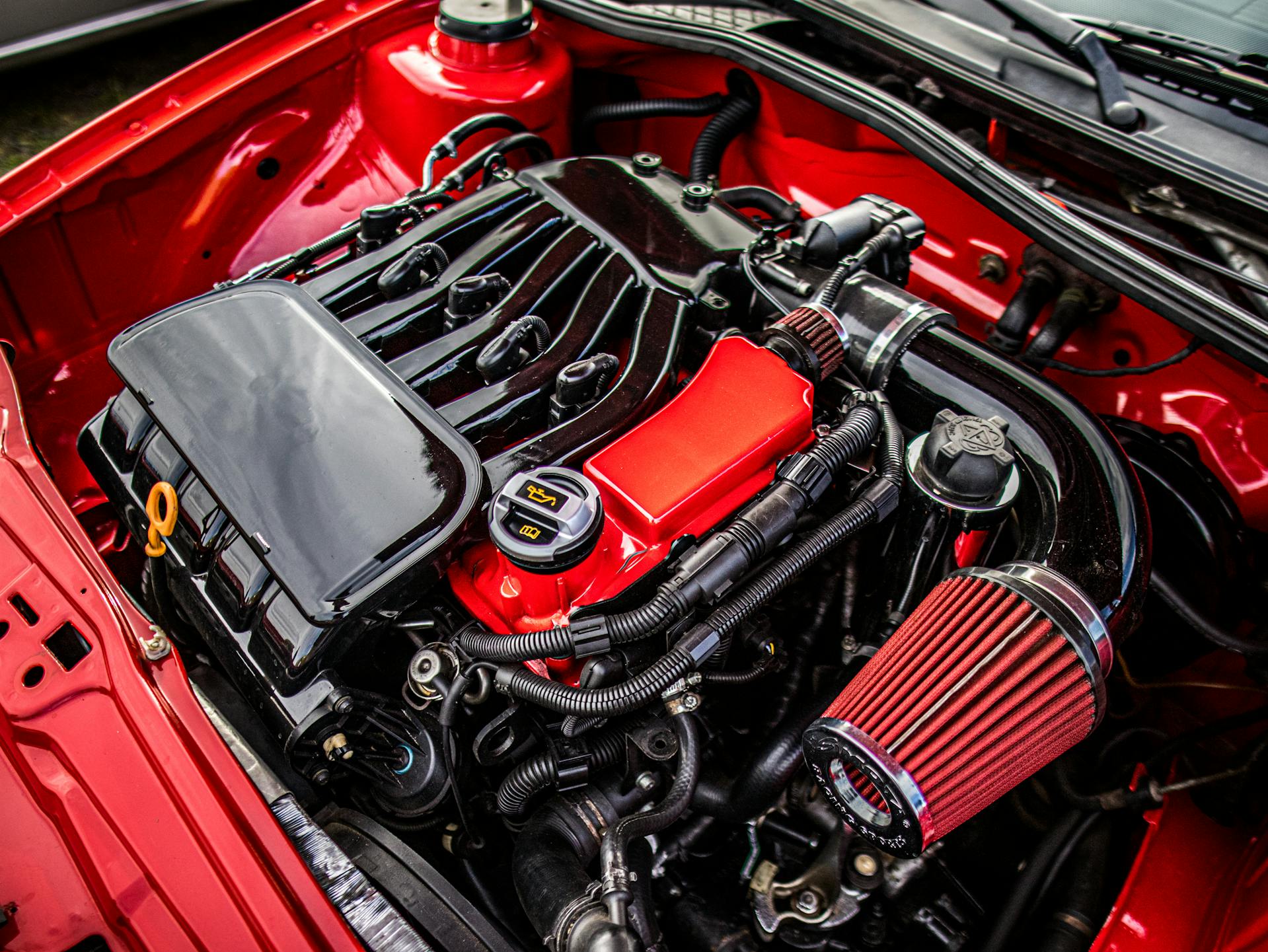
Spring is when drivers in Houston start thinking seriously about the health of their engines. After a mild winter, it’s easy to forget how heat and humidity can wear down parts faster than expected. Many people don’t want to wait weeks for expensive engine replacements when a solid used part could do the job. It’s no surprise, then, that spring becomes a peak season for checking what’s still running well under the hood and planning for what needs attention before summer kicks in.
If you’re thinking about using parts from a used engine in Houston, TX, timing matters. It’s not just about finding a replacement, it’s about knowing which components still have life left in them and which are better left on the shelf. Here’s how to look at your options and choose parts that last.
Not every part inside a used engine gives the same kind of performance over time. Some hold up well through extreme weather and regular wear, especially if they’re low on moving pieces and made from strong materials.
Parts like these are built to handle pressure and heat, as long as regular maintenance hasn’t been ignored. That said, Houston’s climate adds wear to even the most durable materials. Intense summers can dry out seals or cause warping, especially in stop-and-go traffic. When shopping for heavyweight items like these, it helps to ask about mileage and long-term exposure to heat since both can make a difference in how much more life the part might have in it.
Some engine parts just don’t respond well to time. These tend to be the ones with softer materials or finely tuned electronics that are more sensitive to moisture or heat shifts.
In Houston, the problem isn’t just age, it’s how often the part has been exposed to sudden weather changes. A cold front in the morning, followed by 85 degrees in the afternoon, creates temperature swings that wear rubber and plastic faster than expected. If you notice cracked rubber, faded labels, or broad heat marks, you’re looking at something close to the end of its run. These parts might be cheap to grab used, but they usually don’t save you much in the long run if you have to swap them again soon after.
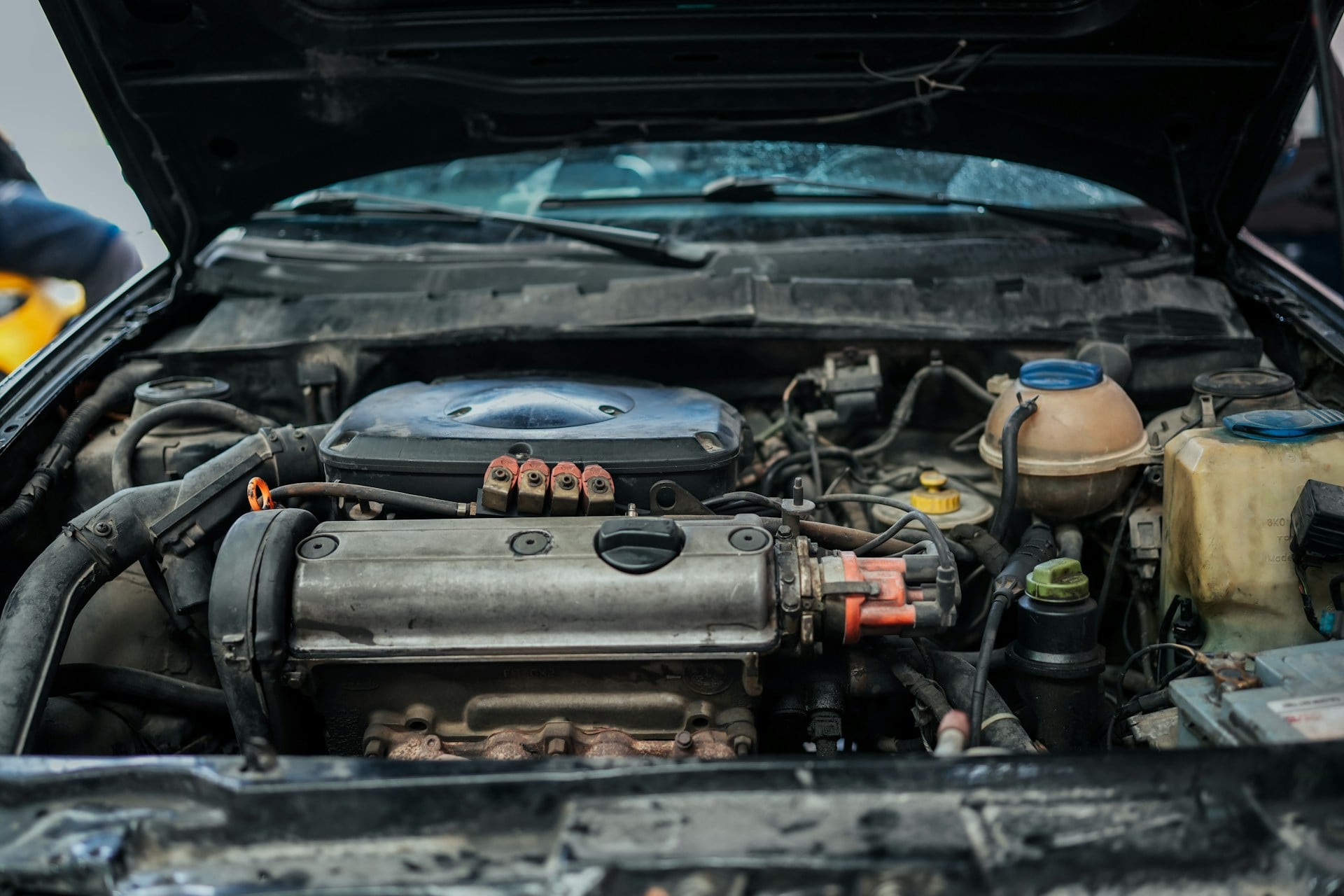
It doesn’t take an expert to spot signs of wear if you know where to look. A visual check can go a long way toward telling you whether something is still usable.
Where the part comes from matters. If it was pulled from a wrecked car with front-end damage, a rear-mounted part might be untouched. But if it sat outside in the weather or was left exposed without labeling, there’s no easy way to tell what it’s been through.
In well-kept yards, parts often go through a simple checking process before they’re shelved. The ones with clear markings and relatively clean surfaces are usually safer bets. Dirty, greasy parts might still work, but they require a closer look and more time to prep before use.
Once you’ve spotted the part you need, knowing what else to ask can help avoid mix-ups or failed installs. Sellers who know what they have can usually answer these key checks:
Mileage matters more than some people think. A part from a city car might have more wear than one from a highway driver, where speeds and conditions are more stable. In Houston, where heat and long commutes are daily realities, that question can help narrow down options that hold up better once reinstalled.
You should also think about the season. A part that sat on a shelf all winter might respond differently than one freshly pulled in early spring. Ask how it was stored and what condition it was in when added to inventory. The more answers you get up front, the easier it is to trust what you’re taking home.
Not every used part is a shortcut. Some really do hold up and keep vehicles running safely for thousands of miles. Others might only offer a short-term fix. That’s why looking at part condition, how it was handled, and how long it’s been stored can reveal as much as the make and model it came from.
Spring is a great time to swap out parts before temperatures really rise in Houston, Texas. A little effort now can prevent breakdowns later, especially when the heat starts wearing down cooling systems and engine performance. Choosing parts that are built to last, and taking time to check which ones have aged well, can help keep your car running smoother through the summer and beyond.
At Airline Auto Parts, we specialize in helping you find reliable components that stand the test of Houston’s climate. Whether you’re gearing up for the increased demands of summer or simply need trustworthy parts that last, we’re here to help. Discover how our vast selection of used engine in Houston, TX can keep your vehicle running smoothly. Visit us today for expert guidance and quality parts that perform well under pressure.

May 3, 2026 Guide To Houston Summer Repairs Using Sp...
How To Match Used Car Parts To Your Make...
April 26, 2026 Everything To Check Before Installing Us...

Signs Your Car Is Ready For A Used Trans...
April 19, 2026 A Look Inside A Day At A Houston Car Par...
How To Safely Clean Salvage Car Parts At...
April 12, 2026 Which Used Engine Parts Hold Up Best Ove...

Avoiding Mistakes At A Houston Salvage Y...
April 5, 2026 Where To Look For Used Car Parts In Hous...
Guide To Recycled Auto Parts In Houston�...