.png)

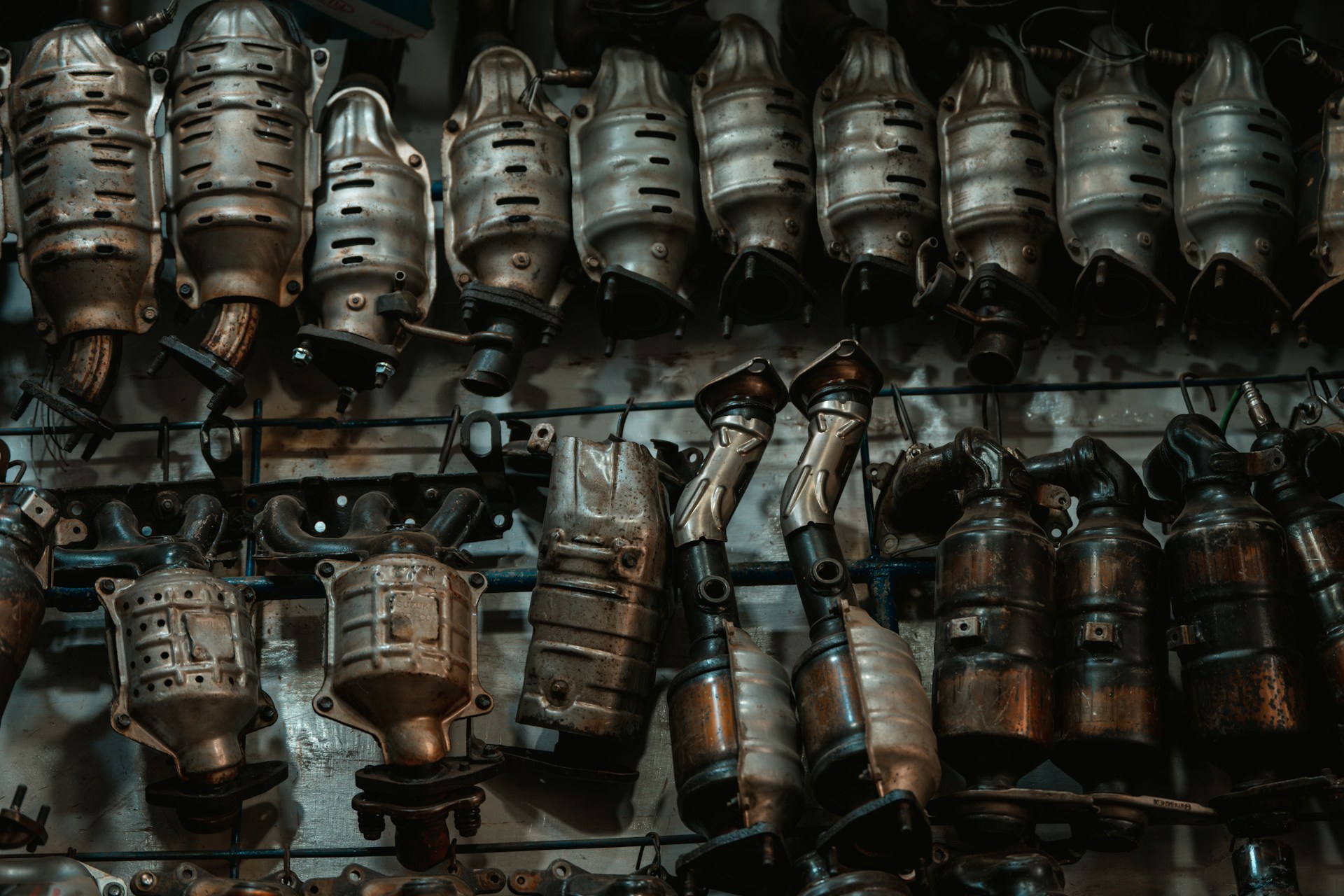
Buying a used engine, transmission, or other big car part feels like a win. You save money, you get original parts, and your vehicle gets a new life. But many drivers do not realize that the biggest problems often show up after the purchase, when no one is asking the right follow-up questions.
Good auto parts suppliers back their parts with warranties, clear rules, and real support. The key is understanding those details before there is a problem. As we head into fall with school runs, weekend trips, and holiday driving on the way, reliability matters even more. You want to know exactly what to do if something is off after install.
In this guide, we will walk through the questions to ask about warranty claims, core returns, installation rules, and early fitment issues, so you and your mechanic are ready from day one.
Before that engine or transmission goes into your car, take a few minutes to ask about the warranty. This can make the difference between a smooth fix and a stressful surprise.
Start by clarifying what the warranty actually covers, how long it lasts, and which situations can void it. In particular, confirm whether coverage is parts only, parts and labor, or related damage; how long coverage lasts (by time or miles); whether engines and transmissions have different terms from smaller parts; and what situations void coverage, like overheating, wrong fluids, racing, or heavy towing.
Next, make sure you understand the claim process so you are not guessing later. Ask who you contact first if there is a problem (the supplier or the shop), what information is needed to start a claim, the normal response time once a claim is sent in, and whether an approved shop needs to diagnose or repair the issue for the warranty to stay valid.
Documentation is a big deal with warranty claims, so it helps to get specific upfront. Confirm which records you must keep, like invoices, install notes, and diagnostic reports, and whether photos of the failed part or dashboard lights are needed. Also ask if proof of core return is required for claims on engines and transmissions.
Finally, clear up costs, labor, and shipping so there are no surprises if something does go wrong. Ask whether any labor reimbursement is offered (and if so, at what hourly rate and how many hours), who pays freight for a replacement part if the first one fails under warranty, and whether the warranty is transferable if you sell the vehicle later.
Core returns are easy to forget in the middle of a big repair. But that old engine or transmission in the corner of the shop is money sitting on a pallet, and you need to protect it.
Start with the basics on core charges and timing:
Next, talk about core condition and packaging. Many auto parts suppliers expect the core to be:
For shipping, ask:
Sometimes cores are damaged or not acceptable for full credit, so it is worth confirming how the supplier handles exceptions and communication. Ask if partial refunds are possible for damaged cores and how you will be notified if a core is rejected. You can also ask whether you can send photos or request an inspection review, how long processing takes once the supplier receives the core, and how the refund is sent back to you.
The way your part is installed can protect or ruin your warranty. Before the job starts, talk with both your mechanic and your parts supplier so everyone is on the same page.
Start with who is doing the work:
Then confirm the required procedures and any “must-replace” items. Many warranties depend on replacing common wear components and using the right fluids and prep steps, so it is important to spell these out before the install begins. Common questions include:
Proof of proper installation can make warranty help much faster, so ask what you should keep:
Sometimes something just does not look right before the part even goes in. The earlier you speak up, the easier it usually is to fix.
For fitment, ask your installer and supplier:
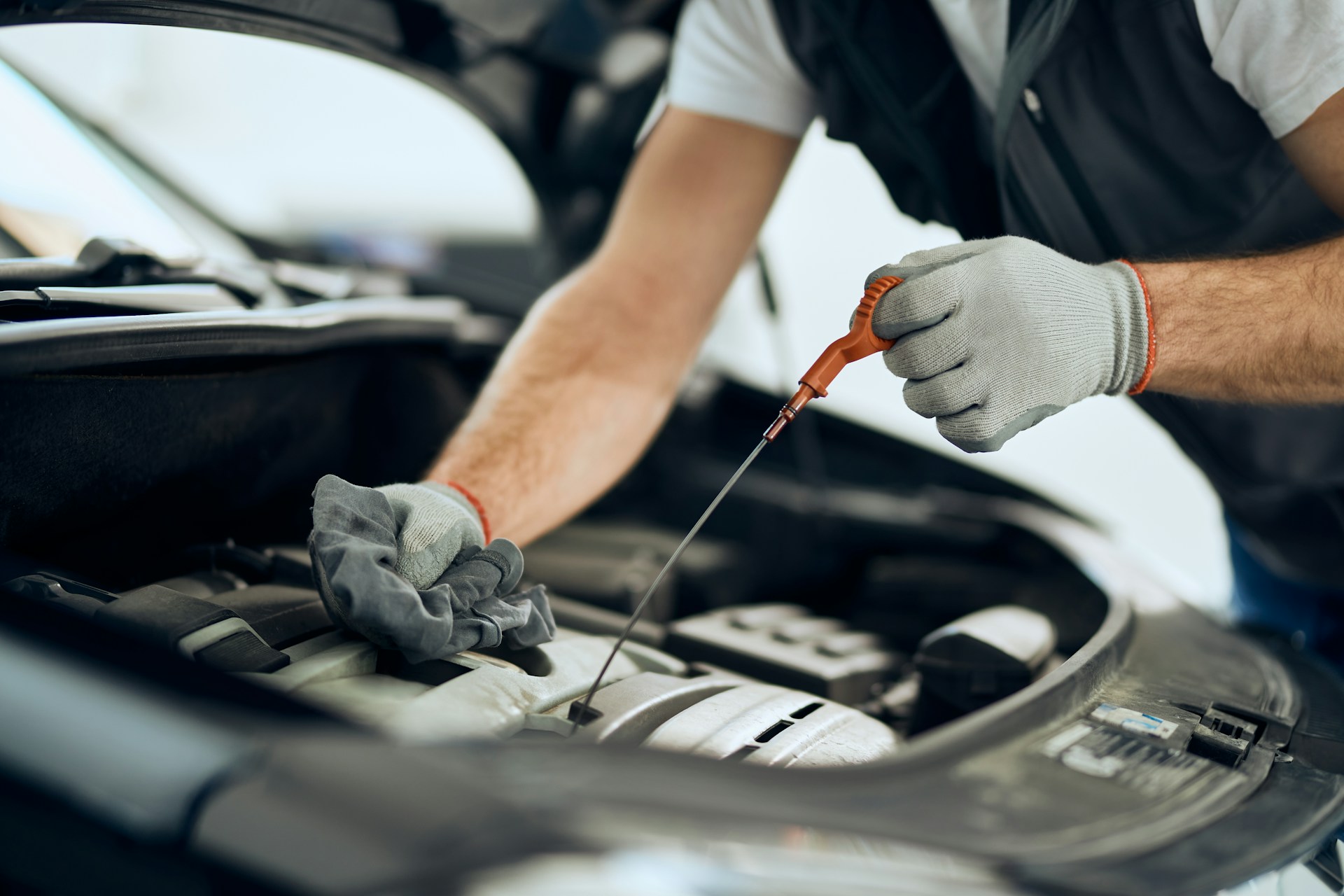
Right after installation, pay close attention during the first start and test drive. If you notice new warning lights, leaks, unusual noises, or harsh or slipping shifts, ask whether you should stop driving and contact the supplier before more testing or teardown. Many auto parts suppliers want certain diagnostics done first, such as:
Also think about shipping and the local environment. In Houston, heat, sun, and humidity can be tough on stored parts, so it is smart to plan for what happens between delivery and installation. Ask:
When you buy used OEM parts, the sale is only the first step. The real protection comes from the questions you ask right away about:
Airline Auto Parts, based here in the Houston area, focuses on supplying quality used OEM engines, transmissions, and other recycled components from a professionally managed salvage and recycling operation. We provide tested parts, clear warranty options, and guidance on installation, troubleshooting, and core handling so drivers and shops can move forward with confidence.
If you are comparing auto parts suppliers, let Airline Auto Parts show you how easy it can be to get reliable, high-quality components for your vehicle. We take the time to match you with the right parts so you can get your repair or upgrade done correctly the first time. Reach out with your questions or parts list and we will help you find exactly what you need. If you are ready to talk details, simply contact us and our team will respond promptly.

September 15, 2026 Questioning Houston Auto Parts Salvage f...

When a Salvage Yard in Houston Becomes t...
September 9, 2026 Diesel Transmission Choices Houston Driv...
DIY-Friendly Repairs Using Used Truck Pa...
Questions Houston Drivers Should Ask Aft...

Salvage Yard vs Online Marketplace: Chec...
August 23, 2026 Questioning Used Truck Parts Houston Dri...
Choosing Passenger Diesel Engines from H...

August 16, 2026 Decoding Used Mercedes Parts Houston Dri...
Managing Diesel Transmission Swaps with ...