.png)


Summer driving tends to push every part of a car a little harder, especially in a place like Houston, Texas. The traffic is heavy, the pavement sizzles, and the heat doesn’t let up. If you’re looking at used transmissions in Houston, TX, there are a few things you need to watch for right from the start. Picking the wrong part, or skipping a key detail, can turn one repair into many. It’s not just about price or availability. In a season where breakdowns can leave you sweating on the side of the road, making the right call early saves time, money, and stress. Let’s go over what to check to avoid unwanted surprises.
Before anything else, take a good look at the outside of the transmission. Physical damage can say a lot about how a part’s been treated or stored. Heat, moisture, and years of grime can all leave signs.
Even if you don’t see fresh drips, old leaks can tell you a part might need work before it’s ready to go. Cracked housings or damaged mounting points can mean it’s already been stressed or mishandled during removal. Make sure you look beyond just the obvious blemishes too. Sometimes, a small dent in a critical spot can lead to leaks once the transmission is under pressure.
Checking for external damage is also an easy way to spot a transmission that has been dropped or tossed around during transport. Bent mounting tabs and scratched housings can signal rough handling, and this could affect the internal parts. In Houston, high temperatures may also make smaller cracks expand once the car heats up, causing slow leaks that get worse over time.
Sometimes you’ll get a chance to test-drive a vehicle before the transmission is removed, or at least receive notes from the seller. This can help you decide if it’s worth going further.
Shifting problems that show up under light load usually get worse with time. A good-used transmission should operate cleanly without any red flags, even in older units.
If shift quality is questionable, ask about what caused the vehicle to be retired. Sometimes, a transmission is pulled from a car that was in a minor accident without any internal damage. But if the car was running poorly or showed warning lights for transmission issues, avoid it. Look for consistent notes about how the car shifted in daily use, especially in stop-and-go traffic, which can be tough in Houston’s summer heat.
It might sound simple, but listening for odd sounds is important too. Clinking and grinding noises during shifts, or loud whining when in gear, are both signs to steer clear. If there’s even a slight delay in engagement, it may reveal hidden problems in the valve body or clutches that will only get worse.
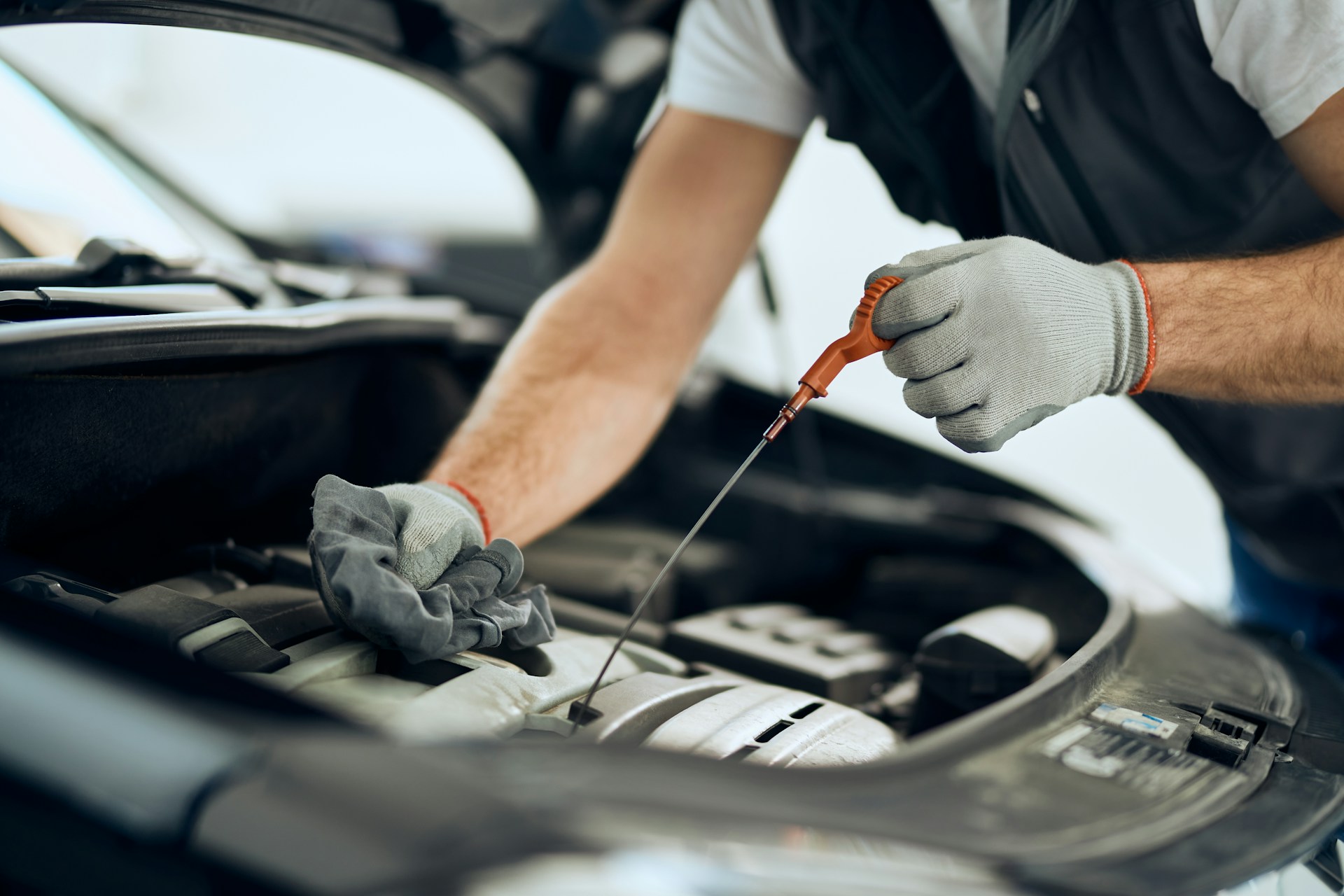
Transmission fluid tells you a lot about internal condition. Even if the outside looks fine, old or damaged fluid can reveal early signs of trouble.
Poor fluid quality doesn’t just affect performance. It can shorten the lifespan of internal components. If fluid smells bad or looks gritty, it’s smart to move on to the next option. There’s no reliable way to flush away deep internal wear once it starts.
The temperature in Houston can also cause fluid to degrade faster. Sitting in storage, especially in the summer, can lead to older transmissions developing sticky or varnished fluid that doesn’t protect well. Always double-check for any sticky residue on the dipstick or a sour odor, even if the color looks close to normal.
Just because a transmission looks the same doesn’t mean it’s a perfect match. Even between models with similar trims, the slight differences can cause problems.
We’ve seen how a minor mismatch with solenoid patterns or gear sensor types can throw off a whole repair. A reliable part match lets you avoid reprogramming headaches or physical alignment issues once it’s in the bay.
Along with codes, look at the number of gear ratios and whether your car needs a specific final drive. Some vehicles have upgraded transmissions for particular trims or towing packages, so taking the time to compare these details helps you avoid frustration. Ask for any supporting paperwork or part numbers to guarantee compatibility.
A used part’s past can be just as important as how it looks today. Ask questions about where it came from and how long it was used before removal.
Make sure any warranty terms are printed and clear. It’s easy to trust what someone says up front, but things change fast when a part fails. A clean record and verifiable source give you more peace of mind.
Also, knowing the environment the part came from is helpful. Transmissions taken from vehicles that spent most of their life in cooler regions might last longer than those exposed to Houston’s stop-and-go traffic and extreme heat. If the seller can’t give you basic information about the old car’s history, that’s a reason to think twice before buying.
It’s also worth asking if the transmission was pulled after a flood or water damage, which can be a bigger risk in Houston. Flooded units can carry long-term problems even after drying out and may not last as long.
Picking a good used transmission takes more than grabbing what looks right. In Houston’s summer heat, having a transmission that holds up to stop-and-go traffic matters more than you think. When a part’s already dealt with long drives and high temps, small flaws can turn into big breakdowns faster than you expect.
Getting the details straight now helps avoid do-overs. Case damage, mismatched electronics, or burnt fluid all point to bigger headaches if skipped. A transmission that’s a clean fit and runs smooth under pressure will always outlast one that nearly fits. With the right approach, you can save time, stress, and maybe even a few tows this summer.
Taking these extra steps won’t slow you down much, and they provide real peace of mind in Houston’s toughest driving conditions. Making a careful purchase pays off, especially since repairs and replacements can get costly and leave you without a car. Keep records of what you find so you can compare units easily, and don’t forget to ask follow-up questions. That way, you avoid picking based just on what’s left on the shelf, giving you the option to choose quality over convenience.
Remember that a used transmission isn’t just a temporary fix, it can give your car a new lease on life if you pick carefully. Planning your purchase in advance, especially before the summer gets into full swing, increases your chances of getting a high-quality part that will last through the toughest months and beyond.
Searching for the right part shouldn’t be a hassle. At Airline Auto Parts, we keep our inventory current so you can find the right fit quickly and easily. Browse our available used transmissions in Houston, TX for your vehicle’s exact needs, whether you’re looking by make, model, or transmission code. Don’t let the summer heat make repairs more stressful, give us a call today and let us help you get back on the road faster.

September 15, 2026 Questioning Houston Auto Parts Salvage f...

When a Salvage Yard in Houston Becomes t...
September 9, 2026 Diesel Transmission Choices Houston Driv...
DIY-Friendly Repairs Using Used Truck Pa...
Questions Houston Drivers Should Ask Aft...

Salvage Yard vs Online Marketplace: Chec...
August 23, 2026 Questioning Used Truck Parts Houston Dri...
Choosing Passenger Diesel Engines from H...

August 16, 2026 Decoding Used Mercedes Parts Houston Dri...
Managing Diesel Transmission Swaps with ...