.png)

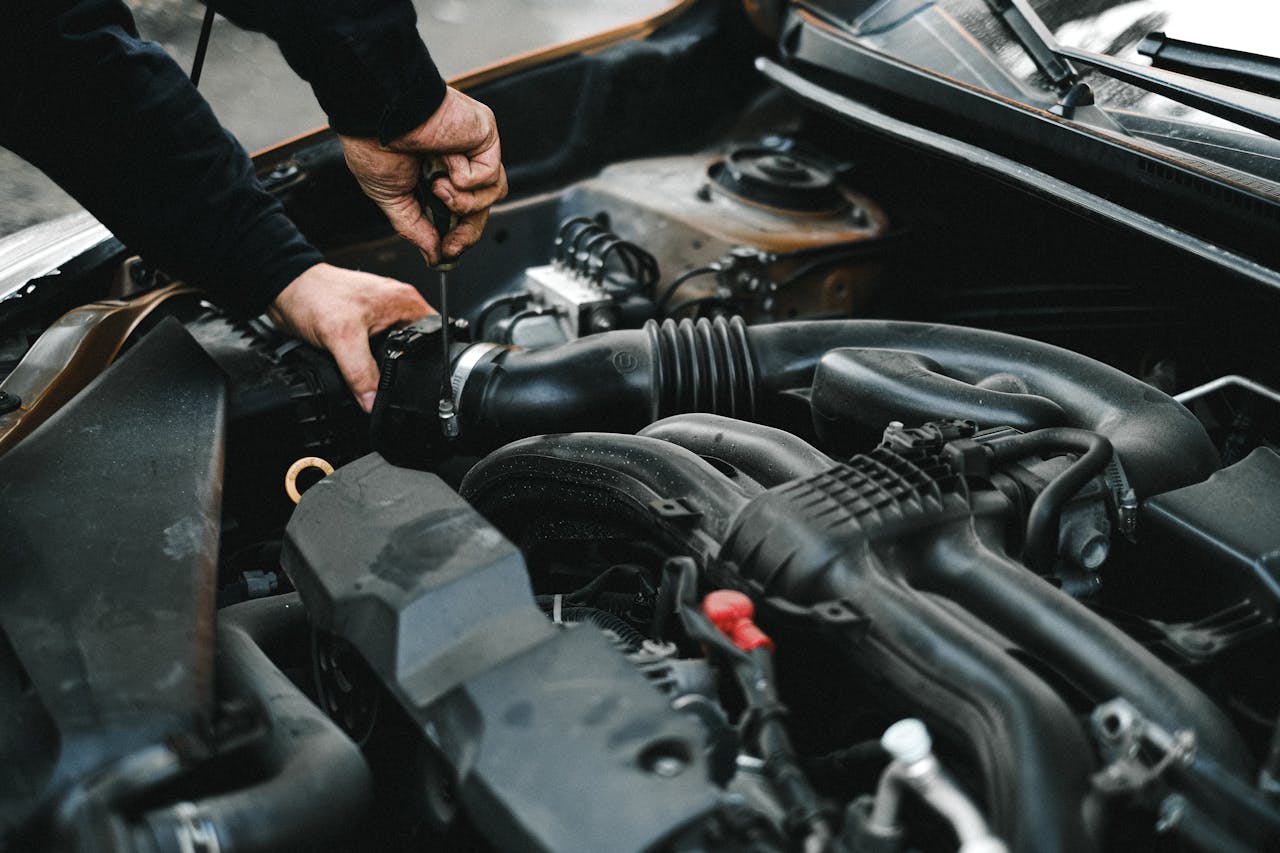
Keeping an eye on the condition of diesel engines is really important for anyone wanting to keep their vehicle running smoothly in Houston, TX. Diesel engines, known for their durability and power, are widely used in various types of vehicles. However, like all mechanical parts, they face wear and tear over time. Spotting these early signs of wear can prevent extensive damage and costly repairs, ensuring your engine remains reliable for years.
In Houston’s demanding driving conditions, maintaining diesel engines isn’t just a good idea; it’s a necessity. The intense heat and long stretches of driving can gradually wear on these engines. Regular checks can make sure that problems are caught early enough to prevent major issues later. With some simple guidance, you can easily spot signs of wear before they become a bigger problem.
One of the easiest ways to catch wear and tear on a diesel engine is by spotting visible signs on the engine’s exterior. Here are key things to look out for:
– Cracks and Leaks: Take a close look at the engine block and its components. Cracks can occur over time, often signaling structural issues. Similarly, leaks from places such as gaskets or the oil pan may suggest trouble. Fresh oil or coolant marks on your garage floor could hint at these problems.
– Corrosion: Rusting parts are a clear warning sign. These are usually spots where moisture has compromised the metal. Pay special attention to the exhaust system and any areas near water-cooling stations or areas prone to water exposure.
– Unusual Smoke from the Exhaust: Normal exhaust smoke is typically whitish or gray. However, blue or black smoke is a stronger indicator that something’s wrong. Blue smoke often means engine oil is burning, while black smoke typically signals incomplete fuel combustion, possibly due to a clogged air filter or a malfunctioning fuel injector.
By regularly checking these visual cues, you ensure that the engine stays in good condition. Even one of these signs can be an early indicator of a bigger issue internally, so it’s worth taking these checks seriously.
Listening to your diesel engine can reveal a lot about its health. The sounds it makes can indicate if something’s going wrong internally. Here are some sounds to pay attention to:
– Knocking or Ticking Noises: If you hear these, it could be a sign of worn or damaged parts within the engine. This noise often means that there’s trouble with the combustion process or issues with the injectors. While all engines make noise, sudden changes in sounds are not normal and should not be ignored.
– Changing Engine Noises: As you drive your vehicle often, you probably get used to how your engine sounds. Notice when there’s a shift in that familiar noise pattern. An engine that starts making louder or high-pitched sounds out of the blue could be a warning that wear is occurring internally.
These noises aren’t just annoying; they can indicate deeper issues that might require professional attention to avoid significant engine failure.
Apart from what you see and hear, how your diesel engine performs is another key indicator of wear. Monitoring performance helps in spotting issues early. Here are some performance signs to look for:
– Reduced Power and Acceleration: One of the common signs of wear is when your engine begins to lose power. You might notice that your car doesn’t accelerate as quickly as it used to. This could mean that the pistons or turbocharger are worn, which can impact overall performance.
– Increased Fuel Consumption: When the engine components don’t function efficiently due to wear, you may notice you’re fueling up more frequently. This increase in fuel consumption is a red flag that your engine might be working too hard to produce power.
– Starting Problems or Stalling: Difficulty starting your vehicle or experiencing regular stalling can signal that the engine has wear-related problems. These issues can stem from components like fuel injectors or spark plugs needing attention or replacement.
The idea is to watch closely how your engine behaves during regular use. Changes in performance should prompt you to consult a professional for an in-depth inspection and repairs if needed.
Being proactive with inspections and maintenance can save you from stressful breakdowns and costly repairs later. Integrating these tips into your routine can help catch wear early:
– Regular Checks: Schedule consistent checks of your engine’s vital parts, focusing on both visual and audible indicators. These checks can become routine maintenance habits, ensuring you spot wear as soon as it appears.
– Professional Inspections: While regular DIY checks are helpful, it’s wise to have professionals take a deeper look. Experienced mechanics can perform diagnostics that identify issues not visible to the untrained eye, using tools and equipment designed for detailed assessment.
– Routine Upkeep: Make sure that routine services are followed, such as oil changes and filter replacements. Using high-quality oil and keeping the air and fuel filters clean can greatly enhance the longevity of your engine.
With these steps, you’ll have a better chance of catching and correcting issues before they develop into significant problems.
Preventive measures are about creating a balance between using your vehicle and maintaining its engine health:
– Use Quality Fuel: Ensuring your engine runs on high-grade diesel fuel is an easy and effective way to prevent damage. Quality fuel burns cleaner and reduces residue build-up in the engine.
– Consistent Oil Changes: Stick to a regular oil change schedule as specified by your vehicle’s manufacturer. Fresh oil keeps engine parts lubricated and operates smoothly, reducing friction that causes wear.
– Follow Manufacturer’s Maintenance Schedule: The most straightforward way to keep your engine in top shape is by following the maintenance schedule. These guidelines are designed to ensure your vehicle’s longevity.
By incorporating these strategies into your vehicle care routine, you’re investing in the long-term health of your diesel engine. Addressing issues as soon as they arise makes a difference in performance and reliability, letting your engine serve you well for many miles to come.
Ensuring your diesel engine stays in peak condition requires vigilance and timely actions. If you’re noticing signs of wear or seeking quality replacements, explore our range of used diesel engines for sale at Airline Auto Parts. Our selection provides reliability and performance, helping you maintain your vehicle’s strength on Houston’s demanding roads.

February 22, 2026 How To Spot Quality Used Auto Parts In H...

What Used Auto Parts In Houston Can’t ...

February 15, 2026 Why Drivers Turn To Used Car Parts In Ho...
When To Replace A Used Engine In Houston...
February 8, 2026 What To Ask Used Car Parts Dealers Befor...
How Used Vehicle Spare Parts Help With C...
February 1, 2026 Where To Start With Used Parts In Housto...

What To Expect From Car Parts In Houston...
January 25, 2026 Why Used Auto Parts Matter More During W...

Hidden Risks Of Salvage Car Parts In Hou...