.png)

Buying a used engine, transmission, or other big part can either save your repair budget or blow it up. One wrong choice can leave your vehicle sitting at the shop, waste paid labor, and create a lot of stress when you just want your car or truck back on the road.
As we get closer to fall trips, school routines, and holiday driving, many drivers plan bigger repairs. The question is simple: do you trust a local salvage yard, or take your chances with an anonymous seller on a giant online marketplace?
Both options can work, but they are not the same. The key is knowing how to verify fitment, read return and core policies, and understand warranty coverage before you spend a dollar. When you get those things right, you protect your time, your money, and your vehicle.
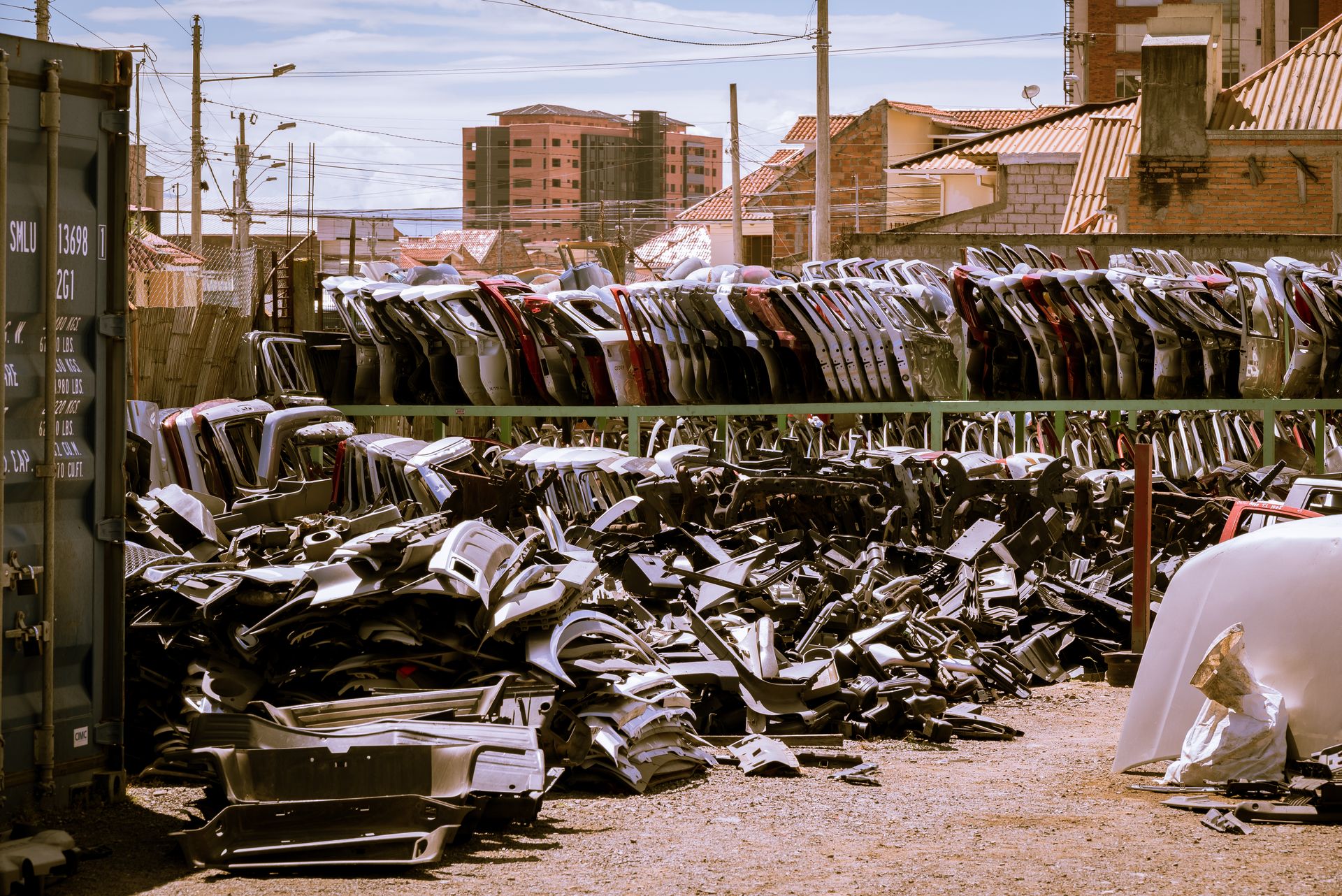
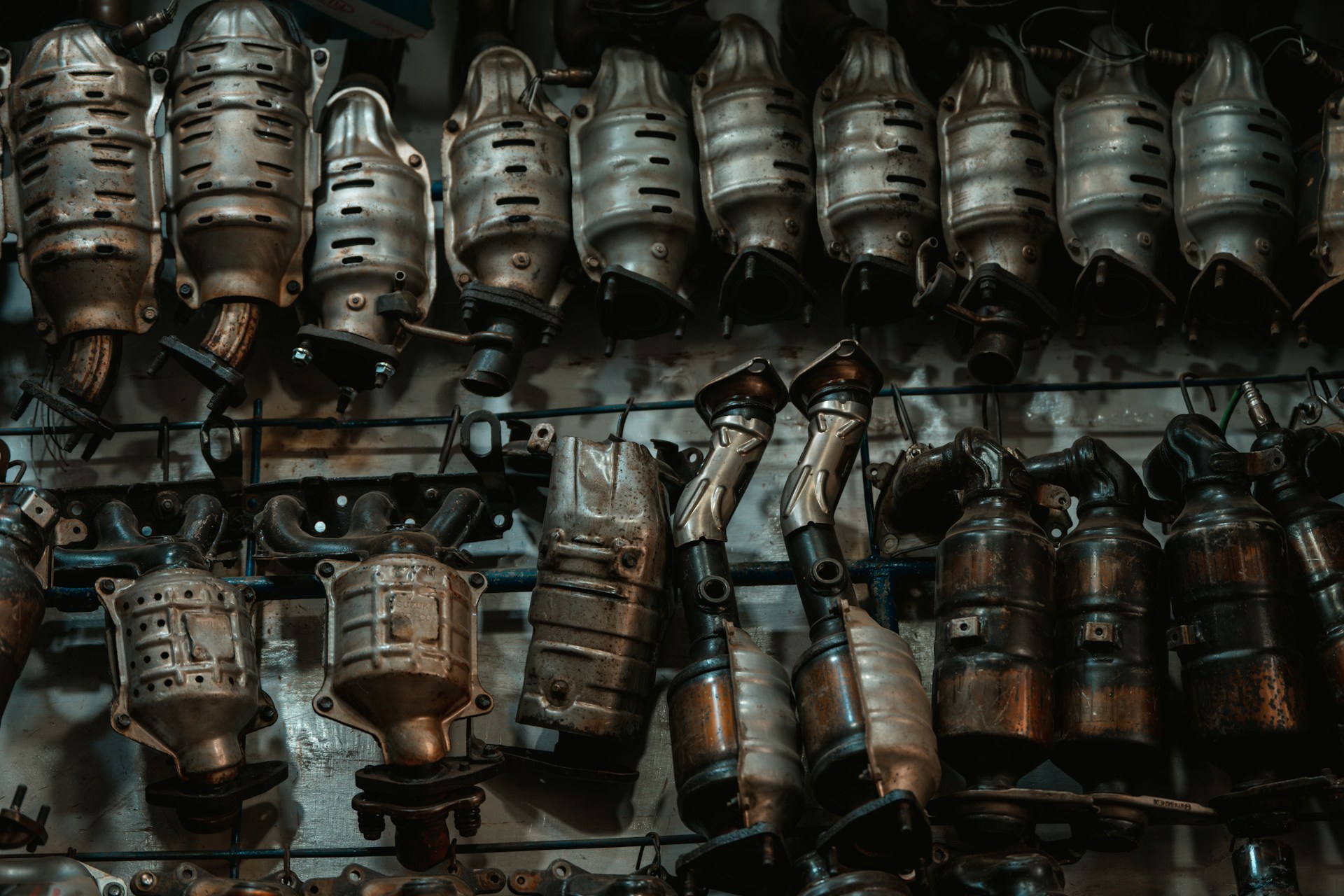
A professional salvage yard is not just a field of cars. A good operation runs more like a parts warehouse that happens to start with whole vehicles instead of boxes.
Here is what usually goes on behind the scenes at a modern salvage yard:
This process helps make sure you get an original OEM part that actually belongs on the type of vehicle you are fixing. It also makes it easier to trace where the part came from and what it fits.
Online marketplaces can feel very different. Listings are often made by all kinds of sellers with different levels of knowledge. Many posts have:
Some sellers know what they are doing. Others are just guessing. The problem is you may not know which one you are dealing with until the part shows up and does not fit.
Accountability is another big difference. With a reputable salvage yard, you have:
With marketplace sellers, policies change from seller to seller. Your experience can be great one time and very rough the next.
Fitment is everything. Before you shop anywhere, collect the details for your vehicle. Have these ready:
A good salvage yard uses your VIN in professional systems to decode all of this. They also use tools like Hollander interchange numbers. Interchange systems help match parts between model years, trims, and even different models that share the same base part. That way, even if the part numbers on the label are not identical, they can confirm if the part is a correct match.
When you shop on a marketplace, you often have to do more of the work yourself. Use this basic checklist for each listing:
If the listing just says something like “fits many vehicles” without details, be careful. Send the seller questions. Ask for part tags, VIN of the donor, and more photos. If they cannot answer clearly, that is a red flag.
Return and core rules can make or break your purchase. Before you buy, slow down and read the details.
A professional salvage yard usually has clear, written return policies, such as:
Core charges are also common on engines, transmissions, and some other big parts. A “core” is your old part that goes back to be rebuilt or recycled. Typical core rules cover:
When policies are clear, you know what to expect before the part leaves the shelf.
On marketplaces, things can be very mixed. Some sellers offer returns; others say “no returns” right in the listing. Even when returns are allowed, the conditions might be buried in small print. You may need to go through a dispute process if there is a problem. That can cost time, and you may end up stuck with a part that does not fit or fails soon after install.
Warranty is your safety net, especially for big repairs right before busy driving seasons. With used auto parts, not all warranties are equal.
At a professional salvage yard, used part warranties are usually set up in clear tiers. These can include:
Standardized warranties and written paperwork help both shops and DIYers know what happens if there is a problem after installation. This is a big deal when you are counting on your vehicle for long drives in heat, traffic, and holiday rush.
On online marketplaces, warranties can be short, unclear, or missing. Some sellers write their own rules with little detail. If a part fails, it can be hard to prove what went wrong or get a fair replacement. You may need to ship the part back at your cost, wait for a response, and still not know if you will get any help with labor.
Before you commit to any used part, pause and run through a simple checklist:
For small, non-critical parts, an online marketplace might be fine if the info is clear. But for large items like engines, transmissions, and other major components, a modern salvage yard is usually the safer play, especially when timing, warranty support, and expert guidance matter most.
Here in the Houston area, we see how much smoother repairs go when fitment, returns, and warranties are all settled up front. When you partner with a professional salvage yard that focuses on quality used OEM engines, transmissions, and recycled components, you give yourself a better chance of getting the right part, on time, and ready for the road ahead.
If you are ready to save money on reliable OEM parts, our salvage yard team is here to help you track down exactly what your vehicle needs. At Airline Auto Parts, we carefully inspect and inventory our parts so you can shop with confidence. Reach out with your parts list or questions and we will guide you through availability and pricing. To get a fast quote or personal assistance, simply contact us today.
September 15, 2026 Questioning Houston Auto Parts Salvage f...

When a Salvage Yard in Houston Becomes t...
September 9, 2026 Diesel Transmission Choices Houston Driv...
DIY-Friendly Repairs Using Used Truck Pa...
Questions Houston Drivers Should Ask Aft...
Salvage Yard vs Online Marketplace: Chec...
August 23, 2026 Questioning Used Truck Parts Houston Dri...
Choosing Passenger Diesel Engines from H...

August 16, 2026 Decoding Used Mercedes Parts Houston Dri...
Managing Diesel Transmission Swaps with ...