.png)

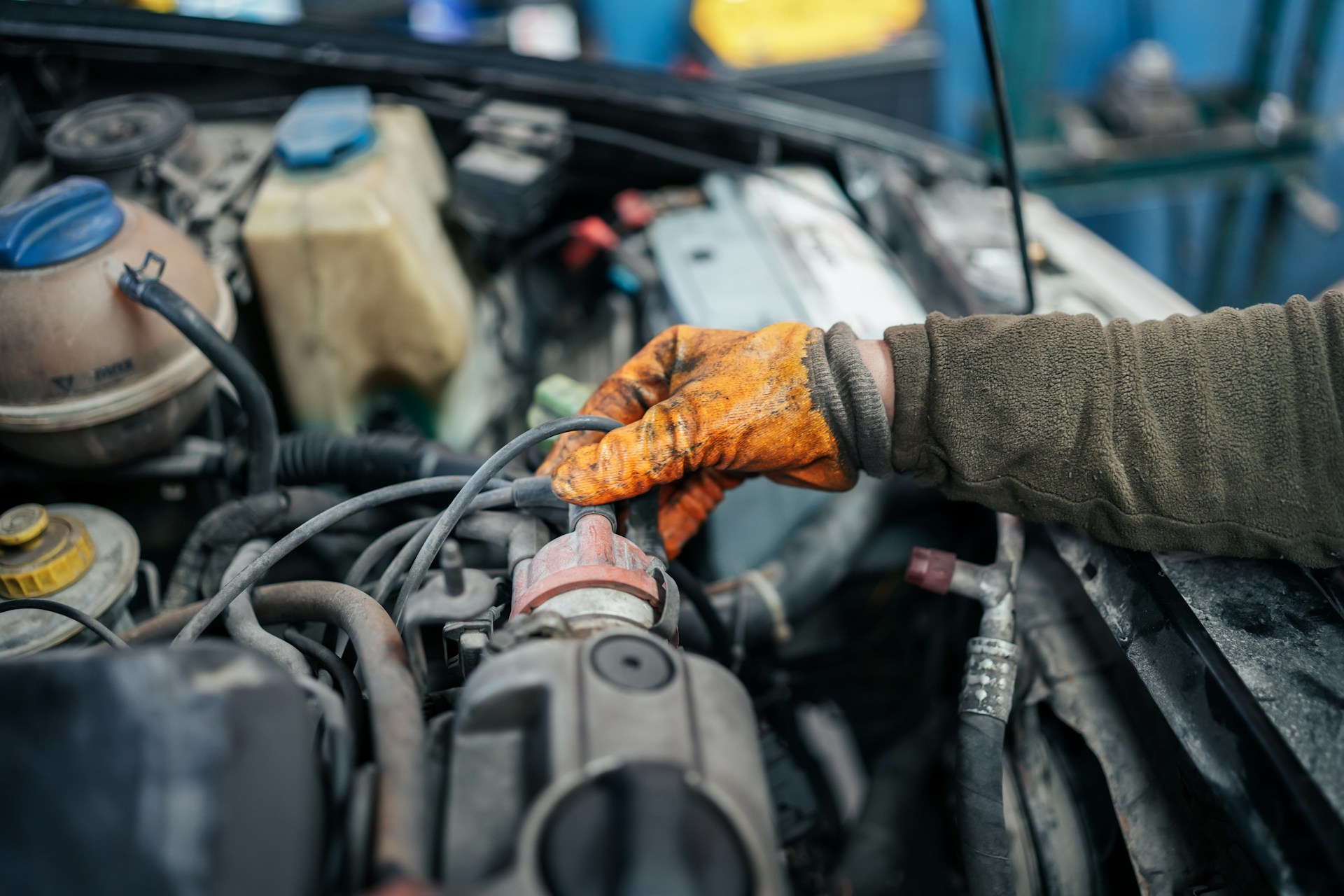
Keeping a diesel engine in top shape demands more than just filling up the tank and hitting the road. Regular maintenance holds the secret to extending the engine’s lifespan and saving you on costly repairs over time. Imagine your engine as a marathon runner, needing consistent care and attention to keep up with the demands of the track. Similarly, a well-maintained diesel engine ensures smooth operation and a reliable ride on every journey.
Neglecting regular maintenance could lead to sudden breakdowns, costly repairs, or even replacing major components. By taking simple, proactive steps, you can avoid such headaches. Regular check-ups help detect minor issues before they escalate into major problems, ensuring you spend more time enjoying the ride rather than being stranded on the roadside. With regular maintenance, you know your diesel engine is ready to tackle any challenges it might face, especially during Houston’s sizzling summers and unexpected cold snaps.
One of the simplest yet most effective maintenance tasks is changing the oil regularly. Oil acts as the lifeblood of your engine, lubricating moving parts and reducing friction. When the oil is fresh, it efficiently coats engine components, minimizing wear and ensuring everything moves smoothly. For diesel engines, which often operate under higher pressures and temperatures than gasoline engines, maintaining clean oil is especially important.
Regular oil changes help in several ways:
– Extended Engine Life: Fresh oil reduces the buildup of sludge and debris that can clog filters and damage engine parts over time.
– Improved Fuel Efficiency: With less friction, your engine can run more efficiently, translating into better fuel usage.
– Prevention of Overheating: Clean oil dissipates heat effectively, preventing the engine from getting too hot and reducing the chances of overheating.
These benefits highlight the importance of maintaining a regular oil change schedule. Not only does it keep the engine running smoothly, but it also protects against the more significant issues that could arise from neglect. For diesel engines, which often endure tougher conditions, keeping up with oil changes is a straightforward yet crucial part of ensuring long-term reliability.
Filters act like the lungs of your diesel engine. They keep harmful contaminants out of your engine’s vital components. Air and fuel filters play a crucial role in engine performance and longevity. A clean air filter ensures the engine gets the right amount of air without dirt and debris, which can decrease efficiency and power. Similarly, a fuel filter catches impurities in the fuel, preventing them from reaching the engine and causing significant damage.
To maintain peak engine health:
– Change air filters every 12,000 to 15,000 miles or sooner if you drive in dusty or polluted areas.
– Replace fuel filters every 20,000 to 40,000 miles depending on usage and manufacturer recommendations.
Clean filters help maintain fuel efficiency, provide smoother acceleration, and contribute to the longer life of your engine. Not attending to these simple parts can risk clogging, causing your engine to burn more fuel or, in worse cases, damaging the engine itself.
Coolant is essential for temperature control in your diesel engine, especially during Houston’s scorching summers. It prevents overheating and protects the engine from damage caused by excessive heat. Low coolant levels can lead to severe complications, including engine failure and could even leave you stranded on the roadside with an overheated engine.
Steps to maintain proper coolant levels:
1. Park your vehicle on a level surface. Make sure the engine is cool.
2. Locate the coolant reservoir. Typically, it’s a translucent plastic tank near the radiator.
3. Check the coolant level against the markers on the reservoir (often labeled “full” and “low”).
4. If levels are low, add a mixture of coolant and water, as specified by your vehicle’s manual.
5. Regularly inspect for leaks around hoses and the radiator.
Keeping your coolant at the optimal level is a simple way to ensure that your diesel engine runs smoothly, no matter how high the mercury climbs in Houston.
Belts and hoses might seem minor, but they are fundamental for the engine’s operation. Regular inspections help avoid troubles such as power steering failures or a broken fan belt, which could leave you calling a tow truck. Look for signs of wear, such as fraying, cracking, or softening of hoses.
Replace belts that show signs of excessive wear or damage to avoid unexpected breakdowns. Here’s what to keep an eye on:
– Cracking or fraying: Examine belts for any visible cracks or fraying edges.
– Softening or leaking hoses: This can indicate a hose is close to failing.
– Tension: Loose belts can cause loss of power or a screeching sound while driving.
An easy routine check of belts and hoses keeps you aware of their condition, allowing replacements before they fail on the road.
How you drive has a significant impact on your diesel engine’s life. Quick starts, frequent braking, and excessive idling increase wear and tear. Driving gently can go a long way in preserving your engine and improving fuel usage.
Here are tips for responsible driving:
– Avoid aggressive acceleration and excessive braking.
– Maintain consistent speeds on highways.
– Limit the vehicle’s idle time, especially for long periods.
Keeping these habits not just extends the life of your diesel engine but also helps save on fuel costs, all while reducing the strain on your engine components.
Regular maintenance routines designed for your diesel engine secure its reliability through all seasons. In Houston, where temperatures can dramatically shift, consistent maintenance ensures the engine stays ready for whatever the weather throws at it. This includes following a set schedule for oil changes, filter replacements, coolant checks, and belt inspections.
Staying on top of these tasks means fewer surprises and unexpected failures, saving you time and money in the long run. A well-maintained diesel engine not only delivers superior performance but also strengthens your vehicle’s overall dependability across Houston’s diverse climates.
Ready to keep your diesel engine running smoothly? Turn to Airline Auto Parts for top-quality components and expert advice. Whether you need a replacement part or professional guidance, our team is here to help. Explore our selection of used diesel engines for sale to find reliable options for your vehicle today.
March 22, 2026 What Recycled Auto Parts In Houston Are ...

March 15, 2026 How Houston Auto Parts Salvage Yards Wor...

Knowing When A Salvage Yard Is Worth Vis...
March 8, 2026 What A Used Car Parts Dealer Should Tell...

What Second Hand Parts For Cars Do Well ...

March 1, 2026 Where To Source Houston Car Parts Withou...

Everything To Know About Car Parts In Ho...

February 22, 2026 How To Spot Quality Used Auto Parts In H...

What Used Auto Parts In Houston Can’t ...

February 15, 2026 Why Drivers Turn To Used Car Parts In Ho...