.png)

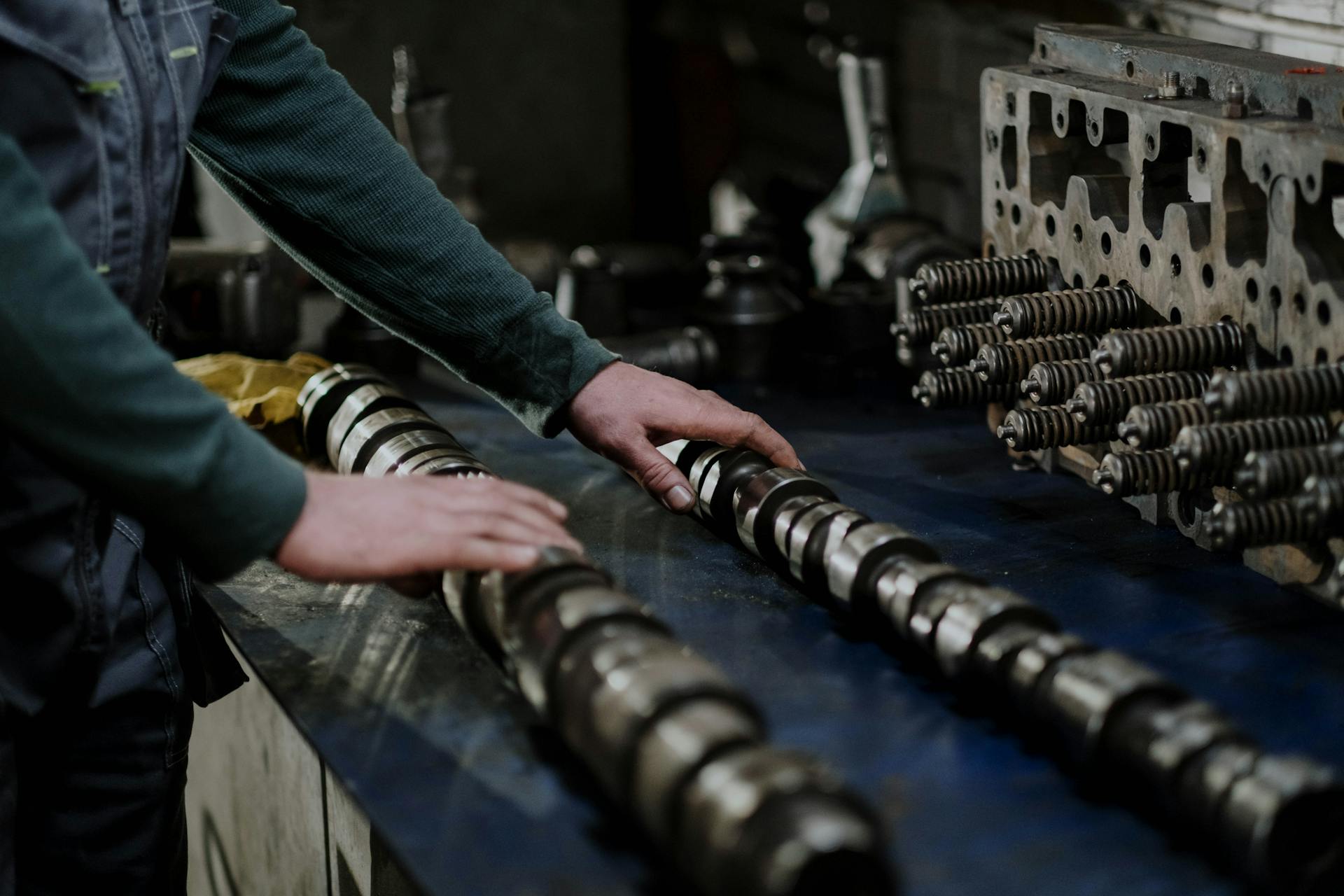
Buying used auto parts is a smart way to stretch your budget and get your vehicle back on the road faster. Still, just because a part is cheaper does not mean it is a good fit. Not every seller offers the same level of support or honesty. That is why it helps to come prepared.
If you are talking to used car parts dealers, especially here around Houston, Texas, there are a few key questions that can help you feel more confident in your purchase. Whether you are replacing something urgent like a starter or something smaller like a door switch, making sure the part is right before you buy can help avoid another trip to the shop. Below are some practical things to ask dealers so you are not left guessing.
Getting a used part that fits your vehicle is the most important thing. Even a small mismatch can keep a repair from working right or cause more problems down the road.
• Ask if the part fits your specific make, model, and year. Do not guess. Look up your VIN if needed.
• See if they have tested the part already. Some places inspect, clean, or even run the part before selling. That can help spot any hidden wear early.
• Ask for a part number check. Many used car parts dealers have systems that help match the part directly to your vehicle. If not, cross-checking yourself helps prevent mistakes.
Fuel pumps, alternators, and control modules all look similar across vehicles but do not always connect correctly. So one make or year off can leave you stuck again.
Not all used parts have the same backstory. It is smart to ask where your part came from and how it ended up for sale.
• What car did the part come from? Was that vehicle involved in a collision or did it just stop running?
• How many miles were on the vehicle when the part was removed? Fewer miles can sometimes mean less wear.
• Has the part been cleaned, rebuilt, or changed in any way?
Knowing this can help you feel better about what you are getting. If the part is from a newer model, it might last longer. But if it is pulled from a high-mileage vehicle, it could have a shorter life, even if it looks fine at first glance.
Things do not always go as planned. That makes return policies and warranties worth checking upfront, before money changes hands.
• Confirm whether there is any warranty at all. Some might offer a short one-week window. Others may offer more peace of mind.
• Ask what happens if the part does not work once installed. Will you get a refund, a store credit, or a replacement part?
• Find out what the process is for returns. Will you need proof it did not work? Do you need to return the original packaging?
Short-term fixes are fine if you are in a rush, but if there is no help when something fails, the savings may not be worth it. Having just a little backup from the seller can go a long way during repairs.
At first glance, a used part might look like a steal. But once fees and services are added, that low price can climb fast.
• Ask what the listed price really covers. Is it just the part, or does it include cleaning or testing?
• Check whether the price includes delivery or if there are fees for core returns and taxes.
• If the part looks worn, see if there is room to work on the price. Some dealers are flexible if a part has scratches or cosmetic damage.
Every dollar matters, especially in repair season. Getting clarity before checkout eliminates surprises and gives you more control over your repair cost.
Support after the sale can be almost as important as the part itself, especially if you are working with a tight timeline.
• Find out if someone can help later if you run into questions. Not every place offers help after money changes hands.
• Ask whether they keep part records. If you need the same item again, having a track record can save time.
• Double-check how quickly you can expect the part. If a replacement takes days to ship, that may not help much if your car is not running.
Houston traffic waits for no one. Having a dealer who can respond quickly is a big help, especially during colder months when car problems can get worse in a hurry.
Clear questions lead to better repairs. Taking a few minutes to talk things through with used car parts dealers can be the difference between a smooth fix and an extra headache. Whether your heater just gave out or your battery keeps losing charge, verifying fit, price, and return options up front pays off.
We have seen how winter temperatures in Houston, Texas, can reveal problems you have been ignoring for months. Quick solutions are easier when you know the part you are buying will work, and that the place you are buying from will stand behind it. Knowing what to ask puts you in control, before your car troubles eat into your time and wallet.
Working with experienced used car parts dealers can save you time, hassle, and money when finding the right fit for your car repair. At Airline Auto Parts, we make the process easy by giving you the answers you need before you buy. Whether you are replacing a sensor or searching for a matching module, starting with a reliable source is key. With inventory changing quickly and availability tight in Houston, TX, reaching out now helps you find the part you need faster. Give us a call and let us help you find exactly what you are looking for.
March 8, 2026 What A Used Car Parts Dealer Should Tell...

What Second Hand Parts For Cars Do Well ...
March 1, 2026 Where To Source Houston Car Parts Withou...
Everything To Know About Car Parts In Ho...
February 22, 2026 How To Spot Quality Used Auto Parts In H...
What Used Auto Parts In Houston Can’t ...

February 15, 2026 Why Drivers Turn To Used Car Parts In Ho...
When To Replace A Used Engine In Houston...
February 8, 2026 What To Ask Used Car Parts Dealers Befor...
How Used Vehicle Spare Parts Help With C...