.png)

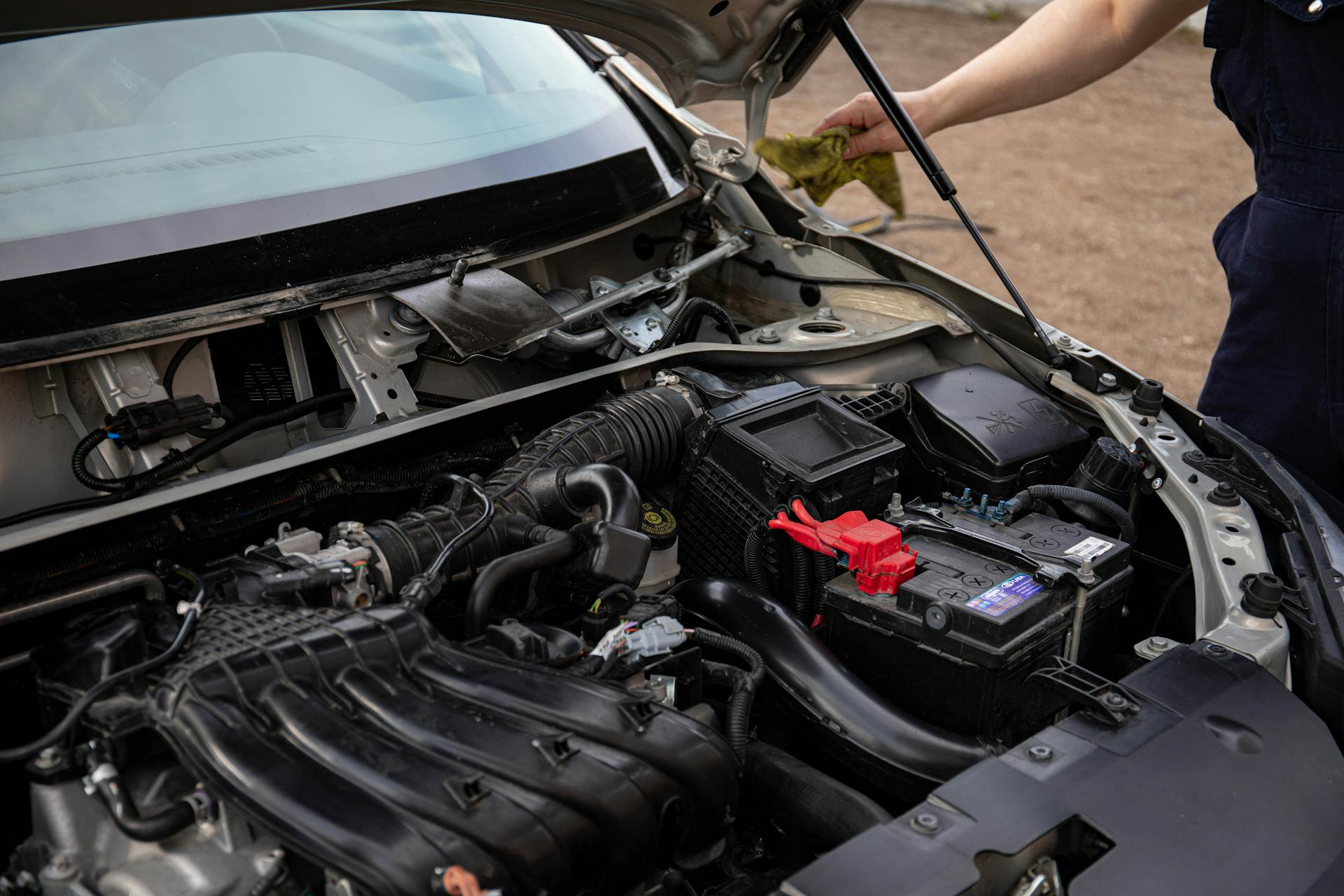
Summer in Houston brings more than just rising temperatures. For many drivers, it brings engine trouble. That’s when a salvage yard can make a big difference. When an engine fails and needs replacing, timing matters, and buying new isn’t always realistic. Salvage yards step in with a much faster and often more affordable solution. But not all engine parts are equal, and not all yards handle them the same way.
A salvage yard in Houston knows that engine parts require more careful attention than most components. From damage checks to safe removal, there’s a long process before one of these engines is ready to be reused. As heat builds in late spring, so does the pressure on engines already struggling. This makes June the perfect time to understand how these parts are handled and how salvage yards sort out the engines worth saving from the ones best left behind.
Before an engine gets listed for sale, there’s a series of steps we take to make sure it’s safe to pull and worth the effort. It starts with a basic test. When possible, we run the engine while it’s still in the vehicle, watching and listening for warning signs. We take notes about how it sounds, how it idles, and whether it starts without problems. If any of that looks off, we flag it early.
Next, the fluids get drained. This part is mostly behind the scenes but always important. Draining out oil, coolant, and other fluids is part safety, part cleanup, and part prep. It keeps things from leaking during removal and helps us tell whether the fluids show signs of internal damage, like water in the oil or metal flakes.
Once all of that is done, trained staff step in with tools made for engine removal. This isn’t a quick unbolting. We work carefully so nothing is cracked, cut, or stressed during the process. Once out, the engine gets cleaned and placed in a holding area before anyone reviews it for resale.
Every engine gets a close look after it’s pulled. Some are in great shape, others have clear issues that make them risky to resell. That’s why we grade engines based on several things we can see and confirm right away.
Sorting this way helps us offer better options to customers. It saves time since buyers don’t have to sort through engines that don’t meet their needs. And when someone brings in a request with a specific goal or budget, it makes it easier to guide them to the right match.
Engines might look alike from the outside, but that doesn’t always mean they’re compatible. That’s why we track every engine in our inventory using codes that match them to specific vehicles. Houston drivers count on replacement parts that work the first time, and a reliable inventory system helps make that happen.
We start by logging engine codes and details like displacement, fuel type, and transmission match. Vehicle Identification Numbers (VINs) help a lot here. VINs give us the most direct way to confirm that an engine can pair with a vehicle correctly. Trim level matters too, two vehicles made in the same year can require different parts depending on their features.
Whenever someone is looking for a replacement, we run checks against these records. Our goal is to match the right engine without guessing. That reduces install problems and makes it easier to swap parts without delays or confusion.
Not every engine can be reused, and that’s ok. We have systems in place for the ones that don’t pass inspection or aren’t safe for future use.
There’s an environmental side to that too. Fluids are handled following safe disposal rules. Broken components don’t sit around leaking or posing safety hazards. Everything has a place, even if it can’t be reused.
Houston summers are tough on engines. Long days in heavy traffic, high outdoor temps, and pressure on cooling systems all combine to make breakdowns more likely. When that happens, finding an affordable replacement fast becomes a priority.
That’s where a properly handled engine from a salvage yard becomes valuable. It saves time and money without cutting corners. And knowing what that process looks like, how the engine was pulled, inspected, and matched, gives peace of mind when you’re facing a rushed repair.
There’s never a great moment to need a new engine, but some months make it harder than others. The more you understand about how these parts are sorted and prepared, the easier it is to work through the issue and get back on the road with less stress.
At Airline Auto Parts, we take great care in how engines are removed, inspected, and stored before they ever reach our customers. That attention makes a difference, especially when Houston’s heat puts extra strain on vehicles and dependable replacements can be harder to find. When you’re searching for an engine that’s been properly sorted and prepared, you can count on better choices through a trusted salvage yard that understands what matters. Summer never waits for breakdowns, and your car shouldn’t lose time either. Call us today and let us help you find the right fit.
September 15, 2026 Questioning Houston Auto Parts Salvage f...

When a Salvage Yard in Houston Becomes t...
September 9, 2026 Diesel Transmission Choices Houston Driv...
DIY-Friendly Repairs Using Used Truck Pa...
Questions Houston Drivers Should Ask Aft...

Salvage Yard vs Online Marketplace: Chec...
August 23, 2026 Questioning Used Truck Parts Houston Dri...
Choosing Passenger Diesel Engines from H...

August 16, 2026 Decoding Used Mercedes Parts Houston Dri...
Managing Diesel Transmission Swaps with ...