

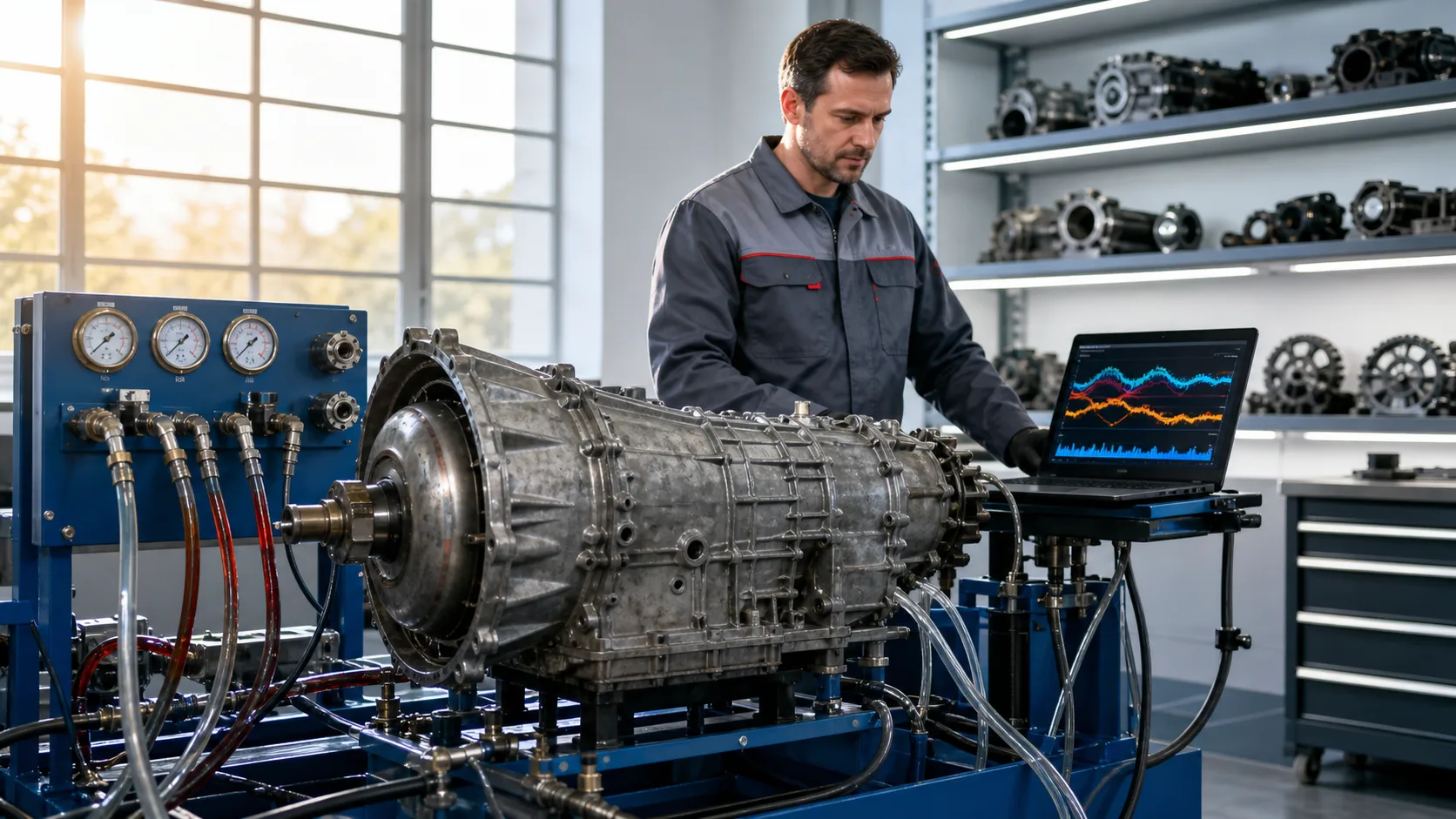
A used automatic transmission should be checked for fit, condition, and performance before it goes into another vehicle. Since so many parts work together inside the unit, a quick look at the outside is not enough to tell the full story.
Around the holidays, Houston drivers often have more trips, heavier traffic, and rain-slick roads to handle. If your vehicle has transmission trouble, knowing how a replacement unit is evaluated can help you make a better choice before travel plans pick up.
An automatic transmission does far more than change gears. It relies on clutches, gears, seals, solenoids, sensors, hydraulic passages, and electronic controls working together at the right time. Trouble with one area can lead to slipping, delayed engagement, rough shifting, or warning lights.
That is why we look beyond appearance when helping source a used automatic transmission. A clean case can still hide internal wear, fluid contamination, or an electronic mismatch. The goal is to learn as much as possible about the unit before it is selected for a repair.
For drivers and repair professionals, asking about the inspection process can prevent surprises later. Knowing what has been checked also helps the installer prepare for any needed steps before the replacement is put into service.
Fitment comes before testing. Transmissions that look nearly identical can have different gear ratios, bellhousing patterns, mounting points, torque converters, and electronic connections. Installing the wrong unit can create delays and may lead to shifting or computer communication concerns.
When you provide vehicle details, we use them to narrow down compatible options. Helpful information includes:
The VIN is especially helpful because it can identify details that are not always obvious from the outside of the vehicle. A vehicle line may use more than one transmission during the same model year, depending on the engine, trim, or drivetrain setup.
Transmission codes add another layer of confirmation. Manufacturers often use these codes to separate units that have different internal setups or electronics. Matching the code helps avoid getting a transmission that bolts up but does not work properly with the vehicle.
Modern units also need the right electronics. Solenoids, valve body controls, speed sensors, and wiring plugs must match the vehicle’s powertrain control module. Before a used automatic transmission is chosen, we recommend confirming these details carefully, especially on late-model vehicles.
A close inspection starts with the transmission case. Damage to the case, bellhousing, or mounting points can affect alignment and installation. Inspectors look for cracks, broken tabs, stripped threads, impact marks, damaged connectors, and missing pieces.
Fluid condition can also tell part of the story. Transmission fluid may show signs of excessive metal particles, heavy debris, or a burned smell. Dark or contaminated fluid can point to overheating, clutch wear, or internal damage that deserves closer attention.
Other visible areas need review as well, including the transmission pan, valve body area, shift linkage points, sensors, seals, and electrical connectors. If a connector is broken or a component is missing, that should be known before the transmission is installed.
Included parts matter, too. Some assemblies may require the installer to transfer certain components from the original vehicle. Clear information about what comes with the unit helps the repair move forward with fewer surprises.
Whenever conditions allow, operational testing adds useful information that an exterior inspection cannot provide. Depending on the vehicle and unit, testing may involve checking the transmission in a compatible vehicle, using a dynamometer, or following another suitable procedure.
During an operational check, the focus is on how the transmission behaves through its available gears. Inspectors watch for proper engagement, smooth gear changes, response during acceleration, and behavior when slowing down.
Hydraulic pressure plays a major role in that process. Pressure applies clutches and bands at the proper time, so concerns in this area may show up as delayed engagement, slipping, harsh shifts, or inconsistent changes between gears. Those symptoms can be connected to areas such as the pump, valve body, solenoids, clutch packs, or internal seals.
Electronic readings can offer another helpful clue. For an electronically controlled unit that remains in a compatible vehicle, diagnostic scans may show stored transmission-related codes or communication faults. Technicians may also review sensor information and shift commands to look for warning signs.
No test can predict every future repair need, but a used automatic transmission should be evaluated as fully as the available conditions allow. Before you choose a replacement, it is reasonable to ask which inspections and operational checks were completed.
The torque converter deserves attention when it is included with the transmission assembly. Inspectors can look for visible damage, damaged splines, contamination, and fitment concerns. Because converter trouble can affect engagement and overall transmission performance, it helps to confirm whether a converter is included.
Clean handling also matters before installation. Keeping the unit free from loose dirt and debris makes it easier for the installer to inspect seals, cooler line ports, connectors, and mounting surfaces.
A successful installation often depends on more than the replacement transmission itself. Installers may need to:
Skipping these steps can damage a replacement unit, even if it was in good condition before installation. A qualified repair professional can review the vehicle’s needs and follow the correct installation process.
When you speak with us, complete vehicle information helps us identify a compatible replacement more efficiently. We recommend sharing the VIN, year, make, model, engine size, drivetrain, and transmission code if you have it. You can also ask about the condition of the available unit, the testing performed, included components, and any known installation requirements.
Before installation begins, make sure the replacement matches the vehicle’s mechanical and electronic setup, and confirm what the installer needs to do with the cooler, fluid, controls, and related components. Careful fitment and clear communication can help reduce delays and support dependable performance for holiday travel and everyday driving.
At Airline Auto Parts, we help drivers find a used automatic transmission suited to their vehicle and replacement needs. Our team can help answer fitment questions and provide details before you order. Contact us to discuss your vehicle and available options.
November 17, 2026 How a Used Automatic Transmission Is Tes...

Preparing for Holiday Travel with a Used...

November 10, 2026 Understanding Used Truck Parts Houston T...

Choosing Between Used Mercedes Parts in ...

November 3, 2026 Are Passenger Diesel Engines a Smart Cho...

October 20, 2026 When Insurance Payouts Fall Short, Salva...

Seasonal Buying Strategy for Used Truck ...

October 13, 2026 Decoding Passenger Diesel Engines at Hou...

Houston Truck Seasonal Checklist: Used P...

October 6, 2026 How Houston Salvage Yards Price Parts: N...