.png)


When you’re trying to save money on car repairs, salvage car parts in Houston might seem like a quick fix. They usually cost less than new ones, and you might find what you need fast. But while a part may look just fine sitting on the shelf, what’s inside or behind it can be a different story. We’ve seen plenty of cases where a salvage part ends up causing more trouble than it solves.
Especially in a place like Houston, where hot summers and heavy rain take their toll, local conditions can speed up the wear on any used component. Damage isn’t always easy to spot at first glance, and not all parts are prepared to go back into action. Here’s what you need to know before trusting a salvage part to get your vehicle back in shape.
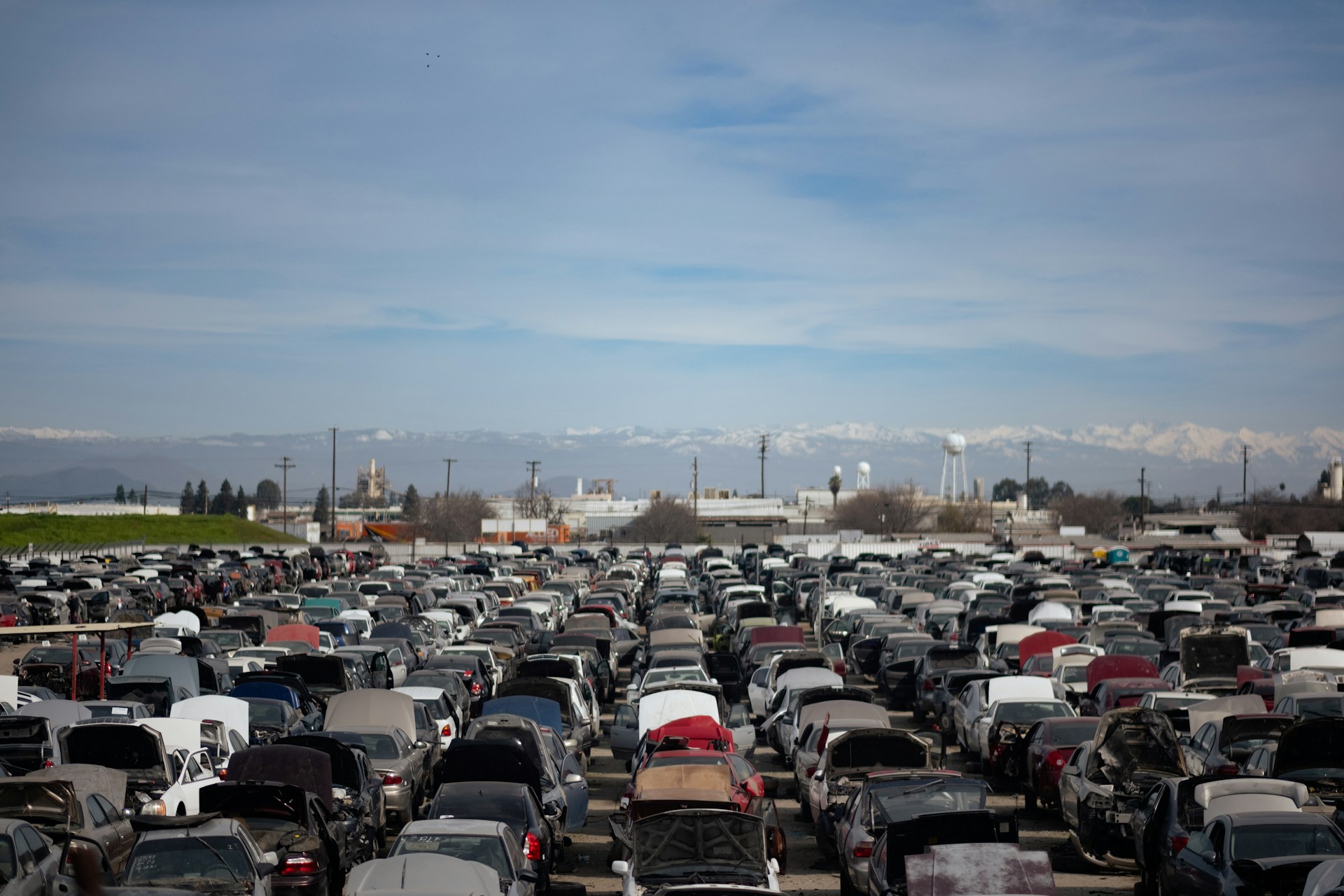
When you hear the word “salvage,” it usually means the part has been pulled from a vehicle that’s no longer roadworthy. That doesn’t always mean it’s broken. Some items are perfectly functional. But many have a history you can’t see.
• Some parts come from cars that were wrecked, had engine failure, or were totaled during storms.
• Water, fire, or impact damage isn’t always visible from the outside. Internal wear or stress could be hidden.
• Terms like “refurbished” or “inspected” might not include a full rebuild or proper testing.
Since there’s no nationwide standard for how reused parts are labeled, you can’t always count on the wording. It’s smart to ask how a part was removed, checked, or stored before you commit.
Houston weather brings specific challenges. It’s damp for much of the year, with floods being a real problem during storm season. That means parts pulled from local vehicles may have been exposed to water, heat, and humidity before they even got to a salvage yard.
• Rubber parts, seals, and hoses can dry out or crack in high heat, especially if they were in storage without climate control.
• Corrosion forms quickly when metal sits in Houston air without protection, especially after a tropical storm.
• Mold or rust buildup on key components can lead to problems once the part is installed and under stress again.
Parts that sat outdoors or in a storage container without proper sealing may have damage you won’t see until it’s too late. It’s not just about what the part looks like today. It’s about how it’s been treated since it left the vehicle.
Not every salvage part is just a bolt-on panel or a mechanical piece. More and more, modern vehicles depend on electronics that don’t age well, especially after being removed and stored.
• Sensors, fuses, and control modules might still be functional but can fail quickly once placed under pressure.
• Small cracks in plastic housing or unseen moisture can mess with sensors or connection ports.
• Airbags and restraint systems are especially risky to reuse. If a vehicle was in a crash, those systems are no longer reliable.
It’s one thing to replace a door mirror or wheel hub. But parts tied to your car’s electrical system or passenger safety need extra care before reuse. These aren’t the places to cut corners.
Not all parts marked for your vehicle actually fit your build. Even the same car model in the same year can have variations depending on the engine, trim level, or transmission.
• Salvage parts might have been pulled from vehicles with different internal setups and grouped together by make, not by exact specs.
• Using mismatched parts can lead to poor performance, warning lights, or increased stress on nearby systems.
• Some pieces connect with electrical or computer systems. If the part isn’t matched properly, it could disrupt communication between modules.
It’s frustrating to install a used part and then find you’ve got a new problem. Taking time to verify that it fits more than just the general model can save hours of backtracking later.
A shiny part can build trust, but appearances can be misleading. Sometimes, salvage pieces are scrubbed to look better than they really are. That cleaning can also cover up signs of damage.
• Deep cleaning can hide cracks, worn edges, or signs of impact.
• Some parts may be painted or sanded just enough to look new but might still have internal issues.
• Threads, gear teeth, and contact surfaces could be worn down, even if the exterior looks untouched.
Always ask how the part was cleaned or restored. If it looks brand-new but doesn’t match the rest of the vehicle’s condition, stop and ask more questions. It’s usually the parts that look “too good” that need a second look.
We know how tough Houston weather can be on auto parts. At Airline Auto Parts, every part is inspected for wear, compatibility, and fit, so you get components that last longer. Most parts in our inventory are stored indoors, away from moisture and extreme temperatures.
Buying salvage car parts in Houston doesn’t have to be a gamble. The trick is knowing what to look for before you lock in the deal. Just because a part looks right and costs less doesn’t mean it offers long-term value.
Take the time to inspect the part, ask about its origin, and consider Houston’s climate and how that might have affected it. Water, heat, and humidity take their toll. Some parts hold up better than others, but knowing which ones to trust makes all the difference on the road.
A used part might help today, but the right part gives you better chances tomorrow too. Being cautious now can mean fewer surprises once the repair is done and you’re back behind the wheel.
Choosing the right replacement parts can make all the difference in your vehicle’s performance and longevity. At Airline Auto Parts, we understand how weather and use can impact quality, especially when you’re shopping for salvage car parts in Houston. Count on us for components that are built to last and thoroughly inspected to help you avoid unexpected issues. Trust our team to help you find parts you can rely on, reach out today to get started.

March 15, 2026 How Houston Auto Parts Salvage Yards Wor...
Knowing When A Salvage Yard Is Worth Vis...
March 8, 2026 What A Used Car Parts Dealer Should Tell...

What Second Hand Parts For Cars Do Well ...
March 1, 2026 Where To Source Houston Car Parts Withou...
Everything To Know About Car Parts In Ho...

February 22, 2026 How To Spot Quality Used Auto Parts In H...
What Used Auto Parts In Houston Can’t ...

February 15, 2026 Why Drivers Turn To Used Car Parts In Ho...
When To Replace A Used Engine In Houston...