.png)

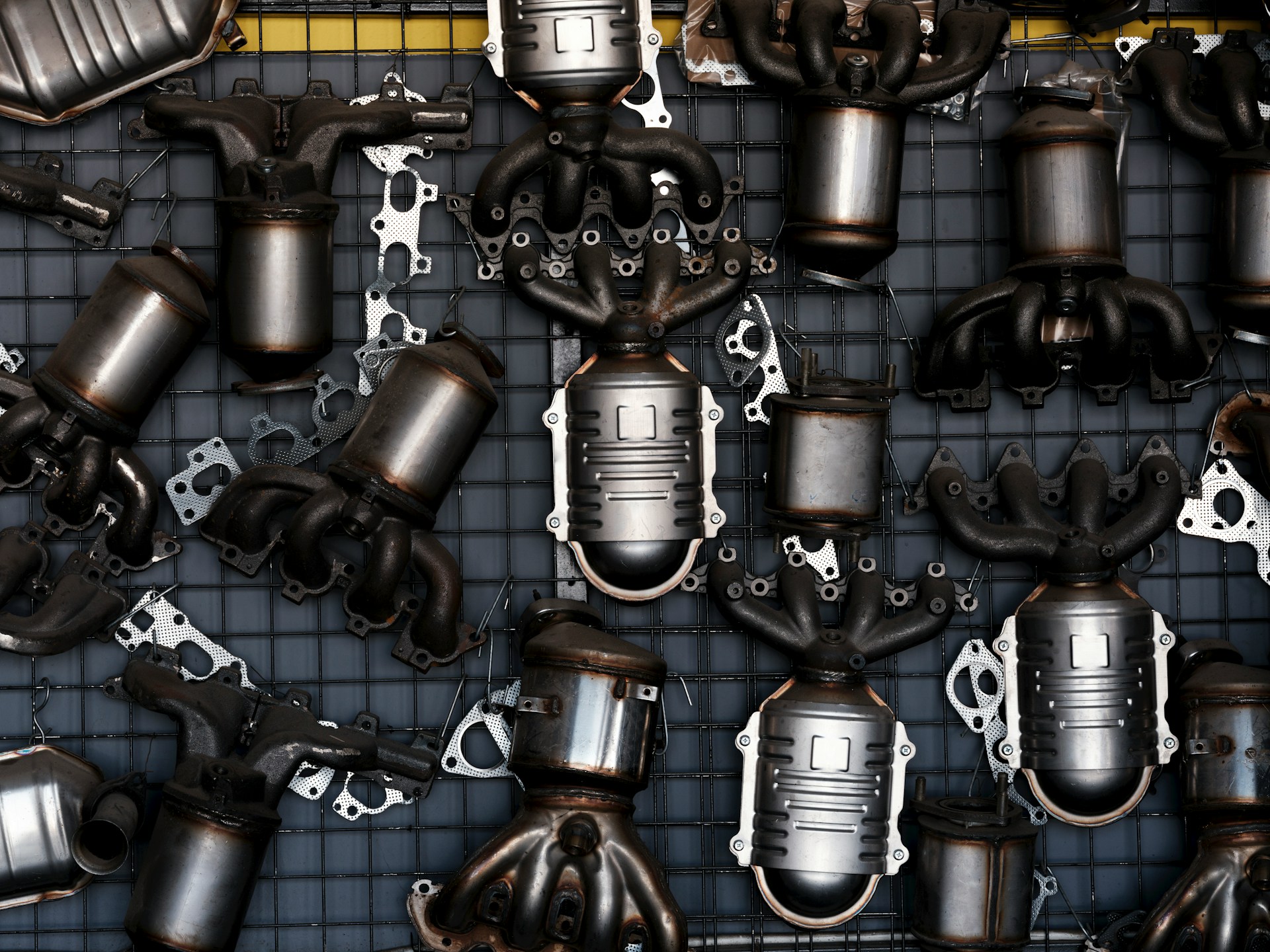
Have you ever wondered what happens to cars after they are no longer drivable? Many of these cars don’t end up in a landfill; instead, they become a treasure trove of useful parts. One smart way to keep your car running smoothly is by using salvage car parts. These parts offer a practical solution for maintaining and repairing vehicles without breaking the bank. When you choose salvage parts, you’re not just saving money—you’re making an environmentally friendly choice by recycling parts that would otherwise go to waste.
Imagine your car’s engine needs a replacement part, but the brand-new part from the manufacturer is costly. Instead, by opting for a salvage part, you get the same functionality at a fraction of the price. Plus, you gain access to components that may be difficult to find as new. This approach helps individuals breathe new life into their vehicles and contributes to a sustainable environment by reducing the demand for manufacturing new parts.
Opting for salvage car parts comes with a range of benefits that can’t be overlooked. Here are some significant advantages:
– Cost Savings: This is often the primary reason people choose salvage parts. These components cost significantly less than new ones, which is a big relief when unexpected repairs pop up.
– Environmental Friendliness: Using these parts supports recycling and minimizes waste, which benefits our planet. By repurposing parts, you’re helping to reduce the carbon footprint associated with manufacturing new auto parts.
– Availability of Rare Parts: For those with older vehicles or models no longer in production, salvage yards can be a gold mine for hard-to-find parts.
– Quality and Performance: Many salvage parts come from well-maintained vehicles. They provide excellent performance and can extend the life of your vehicle without any compromise on quality.
Choosing salvage parts not only offers a practical solution for car repairs but also supports sustainable practices, making it a win-win for both your wallet and the environment.
Finding the right salvage car parts requires some homework, but it’s worth the effort to keep your vehicle running smoothly. Start by pinpointing the exact parts your car needs. Whether it’s a specific model or a rare component, knowing exactly what you’re looking for is step one. Make sure you bring along your car’s details, like the make and model, when you head to the salvage yard or search online.
Once you’ve identified the parts, check their compatibility and condition. It’s crucial to ensure the part fits your vehicle and functions properly. Some people might jump at the first part they find, but it’s wiser to compare options, especially regarding wear and tear. Don’t hesitate to ask the salvage yard about warranties or return policies for added peace of mind. If you’re unsure, getting help from a professional mechanic can save time and avoid mismatches. This small step can make a big difference in ensuring that the parts perform as expected.
Installing salvage car parts safely is all about prioritizing expertise and precision. While some might be tempted to install parts themselves, professional installation is recommended. Expert mechanics have the right tools and skills to handle the job effectively, minimizing the risk of improper installation.
For those who want to understand the process, here are some insights into what happens during a professional installation:
1. Assessment: The mechanic will first inspect your vehicle to ensure compatibility of the part.
2. Preparation: They will prepare both the car and the part, making any necessary adjustments.
3. Installation: With careful attention, the part is installed, secured, and tested.
4. Testing: A thorough check ensures everything operates smoothly before handing over the vehicle.
Understanding these steps can help you appreciate the care taken in maintaining your vehicle. Avoiding common mistakes, like not aligning parts properly or ignoring small details, can save a lot of trouble down the road.
Once your salvage parts are fitted, keeping them in tip-top shape ensures they last longer. Regular checks and maintenance routines are key. Every now and then, a quick inspection can catch minor issues before they become costly repairs.
– Regular Inspections: Make a habit of checking parts during routine vehicle maintenance.
– Cleaning and Preservation: Use appropriate products to clean and preserve metal or rubber components, which helps in weatherproofing them.
– Watch for Signs: Listen for unusual noises or notice when performance dips, as these can signal trouble.
By treating your salvage parts with care, you can enjoy the benefits for years to come. This proactive approach safeguards your investment and helps you stay informed about your vehicle’s health.
Salvage car parts are a practical choice for anyone looking to balance cost and quality. From reducing expenses to supporting eco-friendly practices, they offer multiple perks. By integrating them into your car care routine, you’re making a smart decision that aligns with both financial and environmental goals.
As you reflect on these tips, consider the advantages of incorporating salvage parts into your vehicle’s maintenance plan. Whether you’re in Houston or any other city, these pointers can guide you in maximizing the value and longevity of your car.
Thinking about updating or repairing your vehicle with quality parts? Airline Auto Parts is here to support your journey. Discover how easy it is to find the right salvage car parts in Houston and enjoy lasting performance and savings. Trust our expertise and commitment to sustainability while you make smart choices for your vehicle’s upkeep.
March 8, 2026 What A Used Car Parts Dealer Should Tell...

What Second Hand Parts For Cars Do Well ...

March 1, 2026 Where To Source Houston Car Parts Withou...

Everything To Know About Car Parts In Ho...

February 22, 2026 How To Spot Quality Used Auto Parts In H...
What Used Auto Parts In Houston Can’t ...

February 15, 2026 Why Drivers Turn To Used Car Parts In Ho...
When To Replace A Used Engine In Houston...
February 8, 2026 What To Ask Used Car Parts Dealers Befor...
How Used Vehicle Spare Parts Help With C...