.png)

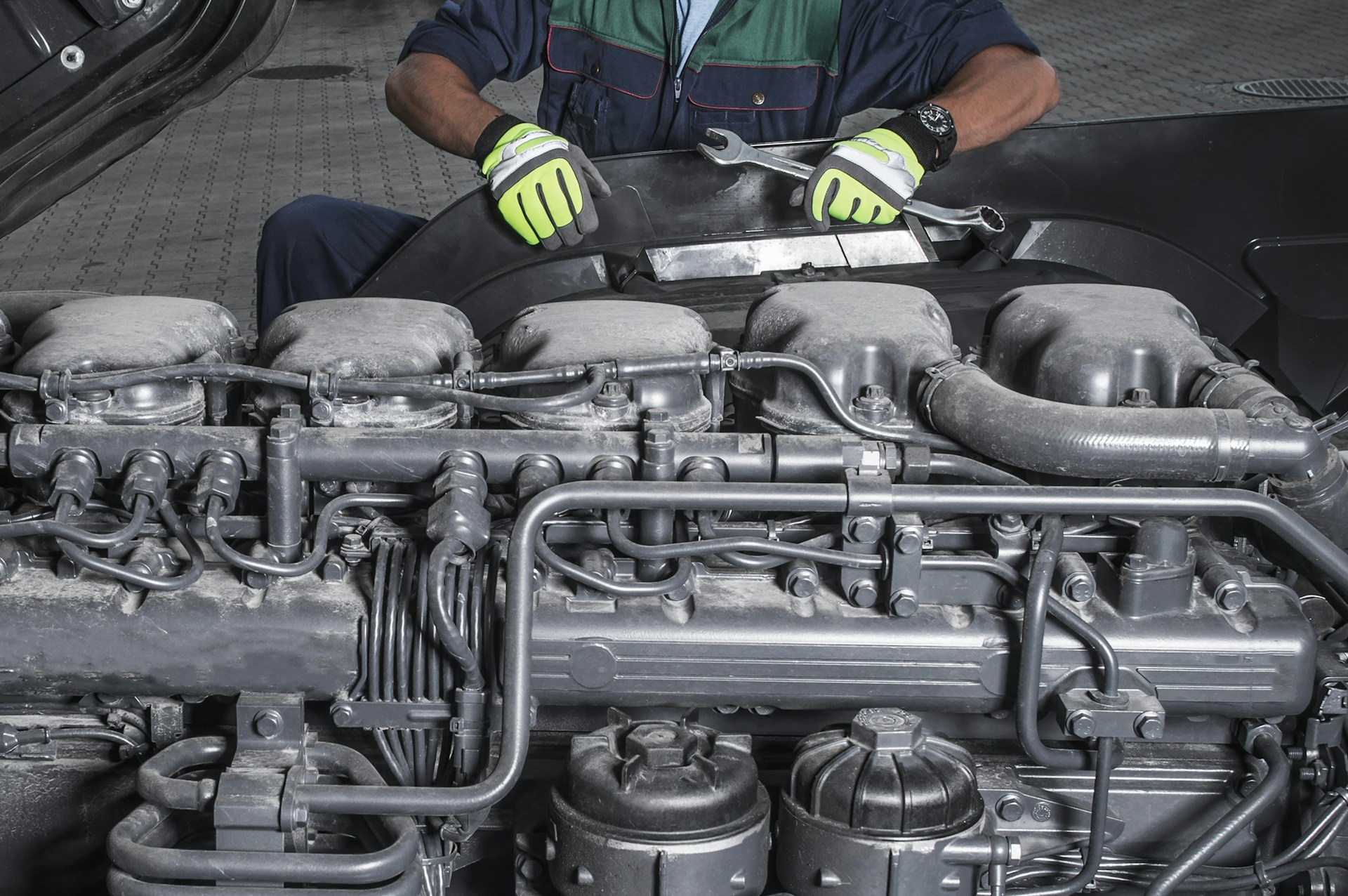
Choosing the wrong diesel transmission can get expensive fast. Tow trucks, missed work, and repeat shop visits add up, especially if you depend on your truck to earn a living. One bad choice can turn a small repair into weeks of frustration and lost time.
Houston traffic does not make things easier. Stop-and-go congestion, heavy trailers, and long waits at lights keep heat trapped in the transmission. Add in humid late summer days, and your diesel transmission is working harder than you think every mile.
That is why smarter transmission choices matter. When you pick a unit that matches your truck, your hauling, and our local conditions, you get better reliability and fewer surprises. Our goal is to help you understand the options many drivers overlook, so you can make a choice that makes sense for the way you actually drive.
Houston does not really cool off when the calendar flips to fall. By September, the heat is still hanging around, and that heat is tough on automatic transmissions in diesel trucks. High fluid temperature breaks down the fluid faster and lets internal parts wear quicker, especially when you are towing or hauling.
Heat builds up even more when your truck spends a lot of time:
A good diesel setup is not just the transmission itself. The system around it matters too. That includes:
Not every used transmission out there is a good choice. Age, unknown history, and skipped maintenance can all hide inside the case. That is why it helps to pick a unit that comes from a lower-mileage vehicle and has been inspected and tested by a recycler that knows what to look for in diesel drivetrains.
When a transmission fails, many drivers think they only have two choices: a brand-new unit from the dealer or a full reman. Those can both work, but they are not the only routes to a dependable truck.
You can usually pick from three main types of replacement:
New and reman units can be a good fit for certain situations. But a well-tested recycled diesel transmission often gives a strong mix of dependability and savings, especially when it is backed by a solid warranty.
Here is where many people leave value on the table. They skip options like:
The trick is matching the unit to how the truck is used. A daily commuter that only tows a small trailer a few weekends a year does not need the same setup as a hotshot truck pulling heavy loads most days. With the right guidance, you can avoid paying for more transmission than you need, or worse, ending up with a unit that is not up to the job.
Not every diesel truck in Houston lives the same life. Some run errands during the week and pull a boat on the weekend. Others spend long days on job sites or on the road between nearby Texas cities. Those different lives call for different transmission choices.
Common local use cases include:
Each of these needs different levels of torque capacity, cooling, and gear spread. A few specs that often get ignored but really matter are:
By looking at your truck’s VIN, build info, and service history, a knowledgeable parts team can narrow down which diesel transmissions will support what you actually do with the truck. The goal is not just to meet factory minimums, but to support the real loads you see on I-45, I-10, and the routes around the area.
When a truck is down, it is easy to focus only on the sticker price of the replacement transmission. But with diesel units, what sits behind that price often matters more than the number itself.
Before saying yes to any diesel transmission, it helps to ask questions like:
Good testing and quality control lower the chance of getting a bad unit installed in your truck. A clear warranty gives peace of mind to drivers, independent shops, and fleet managers, especially when trucks spend long hours in hot traffic or on work sites. When you know how a recycler checks their transmissions and what support comes with them, you can make a much safer choice.
Picking the right diesel transmission does not have to feel confusing. A simple step-by-step plan can keep you on track and protect your time, your truck, and your wallet.
Start with the basics:
Next, look at different options side by side. Compare new, remanufactured, and recycled choices, along with any heavy duty or tow package versions that fit your truck. Ask how each option fits your real-world use, not just what works on paper.
Fall often means road trips, hunting weekends, or a push to finish projects before the busy holiday stretch. Planning your transmission replacement or upgrade before those events can help you avoid being stuck on the side of the road or watching work pile up while your truck sits at the shop.
At Airline Auto Parts in Houston, we focus on quality used engines, transmissions, and related components, backed by strong warranties and a streamlined ordering process. Our team works with local drivers, repair shops, and fleets to match diesel transmissions to real work, real traffic, and real heat, so your truck is ready for what you ask of it every day.
If you are ready to keep your truck running stronger for longer, we are here to help you find the right diesel transmission for your needs. At Airline Auto Parts, our team will walk you through your options so you get dependable performance without overspending. Reach out through our contact page today, and we will help you get back on the road with confidence.
September 9, 2026 Diesel Transmission Choices Houston Driv...

DIY-Friendly Repairs Using Used Truck Pa...

Questions Houston Drivers Should Ask Aft...

Salvage Yard vs Online Marketplace: Chec...
August 23, 2026 Questioning Used Truck Parts Houston Dri...

Choosing Passenger Diesel Engines from H...

August 16, 2026 Decoding Used Mercedes Parts Houston Dri...
Managing Diesel Transmission Swaps with ...
August 9, 2026 Used Diesel vs. Gas Engines: Which Is Be...

Questioning Auto Salvage Yards Houston D...