.png)

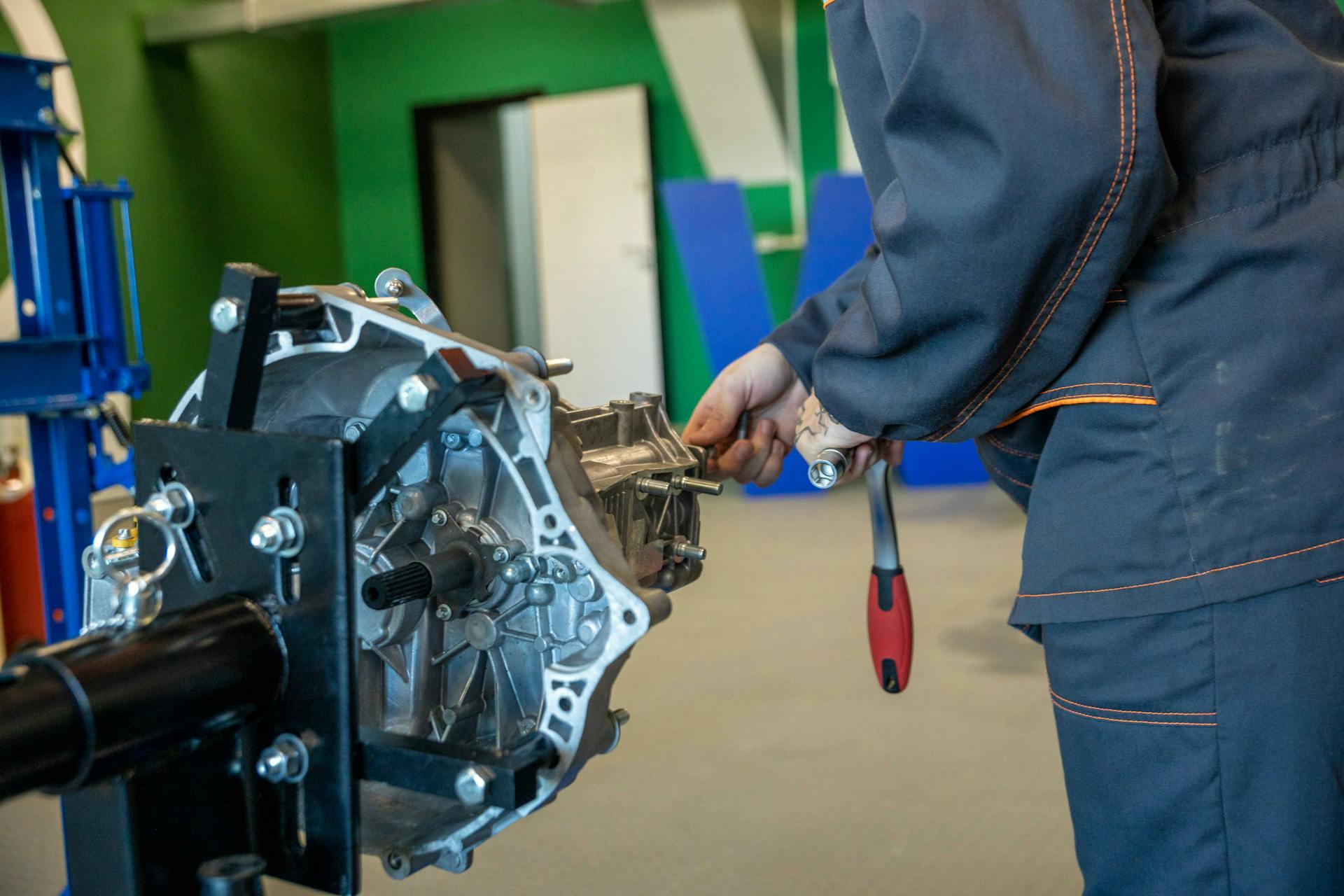
Transmission problems can be some of the hardest issues to catch early. One reason is that they often don’t start with clear warning lights or sudden breakdowns. A vehicle could have something off in how it shifts or moves, but it’s easy to miss. Sometimes problems disappear, then show up again without warning.
In Houston, where heat and traffic stress every system in a car, this can happen a lot more often. Once the issue is clear, replacing the part is sometimes your best move. That’s where a used automatic transmission might be worth considering. But before things reach that point, it helps to understand what to watch out for and when things might be more serious than they seem.
Transmission problems usually don’t start with something dramatic. It’s the little things that give you real clues.
These don’t always feel like a big deal. A quick restart or a fuel top-off can make the issue disappear for a while. Drivers might think it’s a clogged air filter or stale fuel. That’s what makes it tricky. These early warnings often lead to delaying service, and that’s when more serious damage can start to build up. The longer a vehicle runs with these kinds of problems, the more risk there is of the transmission being damaged in a way that can’t be fixed quickly.
Houston summers add more stress than people realize. Traffic doesn’t just test your patience. It makes your car work double time.
When the fluid can’t protect moving parts as well, wear happens quickly. If a car already had a small problem earlier in the spring, hot months can bring it back stronger. Add in the fact that a lot of drivers in Houston, Texas, use their vehicles for long daily commutes, and it’s no surprise that transmission issues sometimes peak in early summer. It makes this season one of the most important times to stay alert to signs of trouble.
Some transmission issues can be repaired without swapping the whole thing. But the challenge is knowing where that line falls.
By the time those deeper issues show up, it’s often more efficient and reliable to replace the entire unit. That’s when choosing a tested, high-quality used automatic transmission can make sense.
They’re often pulled from vehicles that still ran well and didn’t fail due to abuse. You get something that’s been through the break-in period already but hasn’t completely worn out. When facing bigger damage, it’s usually safer not to rely on patch jobs that may just push the failure back a few weeks.
Transmission problems love to play hide-and-seek. That’s part of what makes them get worse before they’re clearly identified.
It’s easy to blame the wrong problem. Mechanics often have to look past what the computer says and check how the car feels. Drivers might leave the shop thinking the car is fixed, only to have the same issue turn up a few days later. That sort of on-and-off behavior can wear down both the driver and the car. Knowing how hard these problems can be to pin down helps explain why so many transmission problems escape early repairs.
Some drivers replace one part after another, trying to chase a solution. And sometimes, it’s because the actual source of the trouble hasn’t been reached yet.
There comes a point where replacement is the better choice. It might not feel like the cheapest first step, but when counted over two or three failed repairs, it usually adds up to less. A worn-out transmission can’t be revived with surface-level fixes. Deciding when enough is enough can save time, frustration, and avoid road breakdowns in the middle of a Houston summer afternoon.
The earlier you understand the real cause of transmission issues, the less time and money you’ll spend chasing the wrong thing. That’s especially true when the car’s symptoms don’t follow a pattern or only turn up during heatwaves and long drives. Knowing what to look for matters. That includes performance changes, gear delays, and when older vehicles start acting more sluggish than they used to.
When transmission trouble is allowed to linger, issues like burnt fluid, hesitation, and slow shifts can add to the eventual repair cost. Some vehicles, especially those that spend more time in Houston’s heavy summer traffic, begin to show these warning signs far sooner than expected. Drivers who listen for changes in noise and feel, and who check under the hood for unusual leaks or smells, can catch problems before they become expensive. A single missed sign may lead to cascading failures inside the unit, so paying attention to the first hint goes a long way.
When your vehicle’s transmission issues start to surface, taking swift action can save you from extensive damage and costly repairs. Explore Airline Auto Parts’ range of quality-tested options, including a reliable used automatic transmission, to find the perfect fit for your needs. Our expert team is here to ensure you get back on the road with confidence, even in the heat of Houston, TX. Reach out today and discover how we can help maintain your vehicle’s performance effectively.

September 15, 2026 Questioning Houston Auto Parts Salvage f...

When a Salvage Yard in Houston Becomes t...
September 9, 2026 Diesel Transmission Choices Houston Driv...
DIY-Friendly Repairs Using Used Truck Pa...
Questions Houston Drivers Should Ask Aft...

Salvage Yard vs Online Marketplace: Chec...
August 23, 2026 Questioning Used Truck Parts Houston Dri...
Choosing Passenger Diesel Engines from H...

August 16, 2026 Decoding Used Mercedes Parts Houston Dri...
Managing Diesel Transmission Swaps with ...